
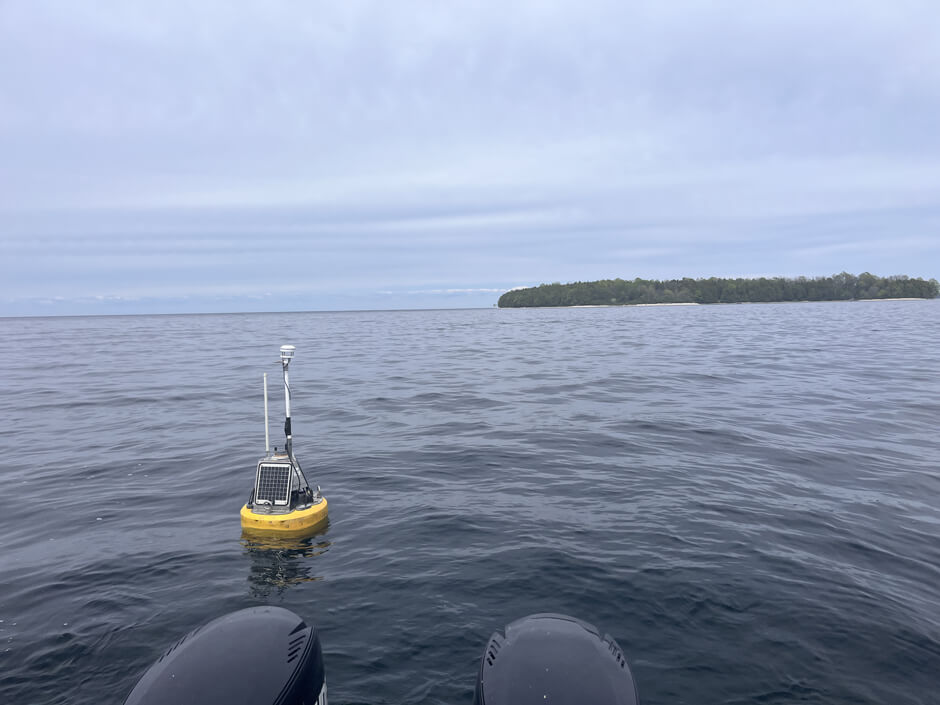
 Harmful algal bloom (HAB) monitoring has become a popular topic of research in limnology. While most monitoring efforts center on chlorophyll measurement, the real impacts of HABs are connected to the toxins produced by cyanobacterial blooms, which can be challenging to measure.
Due to their impact on human health, establishing models that allow for the prediction of toxin concentrations is important to public safety.
Todd Miller, an affiliate and associate professor at the University of Wisconsin-Milwaukee and principal investor at the Laboratory for Aquatic Microbiology and Chemistry, is currently working toward a solution that allows for automated HAB toxin measurement out on the water.
Challenge: Measuring HAB Toxins in the Field
Establishing a toxin measuring system is important to protecting public health. Without a means of measuring toxins on the water, visually undetectable blooms may go unnoticed and unreported to the public.
 “The best we can say right now is, ‘If it’s green, then stay out of the water.’ But that’s not always the best answer, because sometimes the toxins are there, even though the water may not look very green,” states Miller.
Current toxin evaluation strategies require lab analysis, and data isn’t available in real-time. So Miller has spent the past 10 years working to develop a system that can determine HAB toxin concentrations in near real-time using buoy data.
“We’re interested in building sensors that either directly measure the toxins or indirectly are correlative with the toxins that are in the water so we can put those on buoys, and use this data to drive statistical models that predict toxin concentration,” says Miller.
Solution: Building a Real-Time HAB Toxin Measurement System
 Miller’s research has three goals:
- Characterize the frequency and timing of algal toxin production in aquatic environments.
- Determine potential risks to human health from algal toxins in aquatic environments.
- Improve existing monitoring methods and technologies for algal blooms and their toxins in aquatic environments.
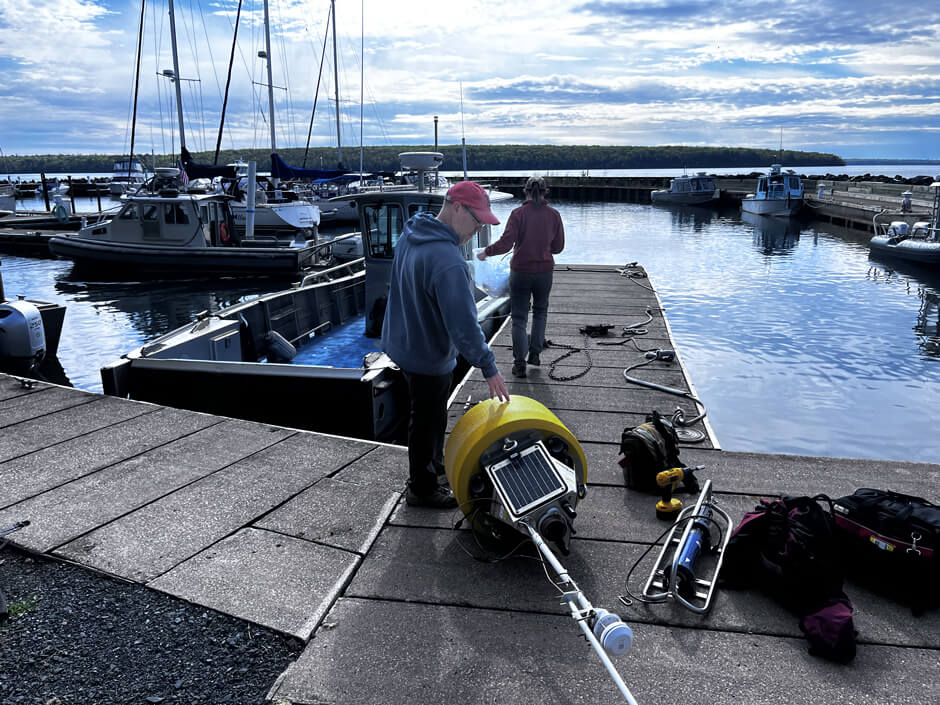
Miller builds his system out from a fleet of ten NexSens CB-150 data buoys with some newer systems on the smaller CB-75. He tests various sensors on the buoys and installs custom-made data loggers for real-time data collection and remote viewing.
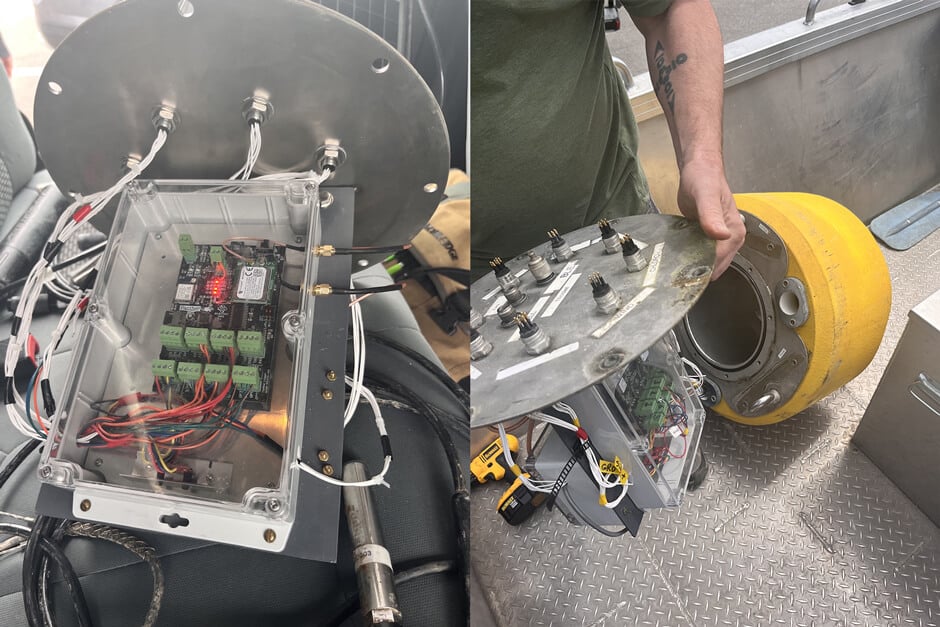
He explains, “I have spent a considerable amount of time comparing sensor technologies for algal bloom detection. So, I know the limitations of most of the sensors on the market that can do this. We have taken them all apart and examined their individual components, and we have even built our own sensors for algal bloom detection.”
 Miller continues, “So we really have an intimate understanding of how all of these optical sensors work at the circuit board level.” He uses this knowledge to design his own automated sensors that are trialed at the monitoring sites.
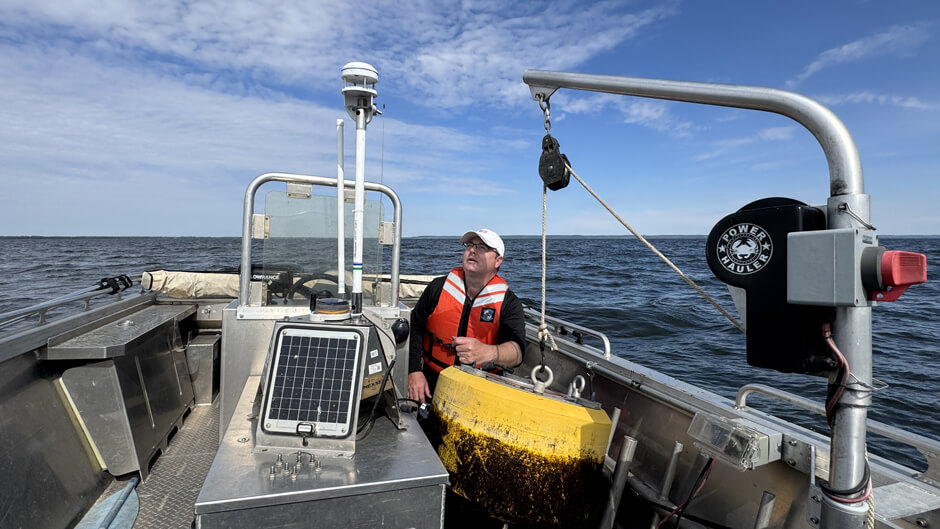
In addition to the optical sensors are separate water quality probes (YSI EXO2 sondes or Turner Designs individual sensors) that measure phycocyanin, dissolved oxygen, chlorophyll, and turbidity. Some of the buoys are also equipped with a temperature string to measure stratification and temperature throughout the water column.
On top of the buoys, Miller has a Young anemometer and a wave sensor, measuring wind speed and direction as well as wave height and period.
Benefit: HAB Prediction and Data-Informed Recreation
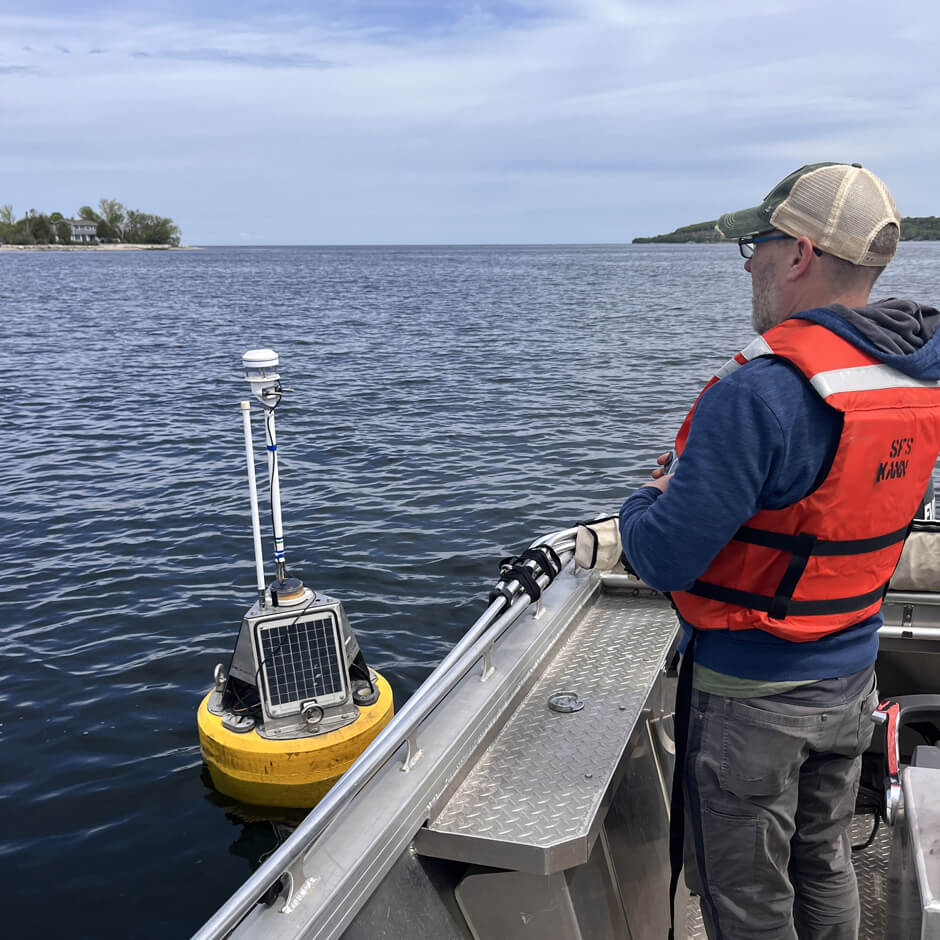 All of this data is compiled and transferred to servers at UW-Milwaukee, where custom-made PHP scripts sort out any outliers and then post it on the public dashboard at lakestat.com. Miller analyzes the data and shares it with a number of organizations for modeling, reporting, and predictions, including the Great Lakes Observing System.
The Turner Designs probes are ideal for Miller’s research as the probes are shorter and can thus detect weaker blooms closer to the surface of the water. The sensors are all operated individually, making upgrades and replacements convenient.
The weather station and wave sensor record environmental data that can play a role in HAB formation and duration, which helps identify trends and contribute to HAB predictions and modeling. The data is also used by the public to inform recreation on the water.
The Bottom Line
While swimming exposure is common, Miller explains that these toxins can make their way into drinking water, food, beverages, dietary supplements, and other goods that use water for manufacturing. Successful design of toxin measurement systems will improve the way the public interacts with the Great Lakes.
Equipment
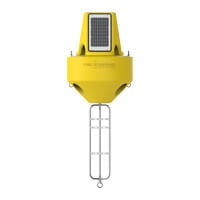
The XB-200 is ideal for water monitoring applications requiring portability and quick deployment, yet strong enough for rough water.
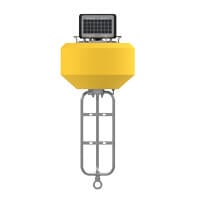
The CB-75 data buoy is a compact, affordable, and easy-to-deploy platform for both water and atmospheric observations.
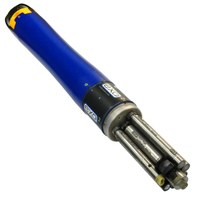
The YSI EXO represents the next generation of water quality instruments from YSI. The EXO2 sonde includes six sensor ports and a central anti-fouling wiper option.
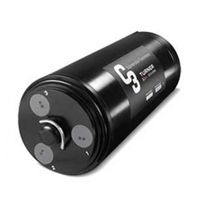
The Turner Designs C3 Submersible Fluorometer is designed to incorporate up to three optical sensors ranging from the ultraviolet to the infrared spectrum.
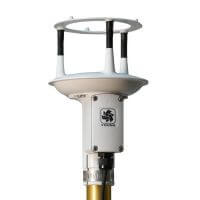
The YOUNG ResponseONE Ultrasonic Anemometer accurately measures wind speed and wind direction without moving parts.

