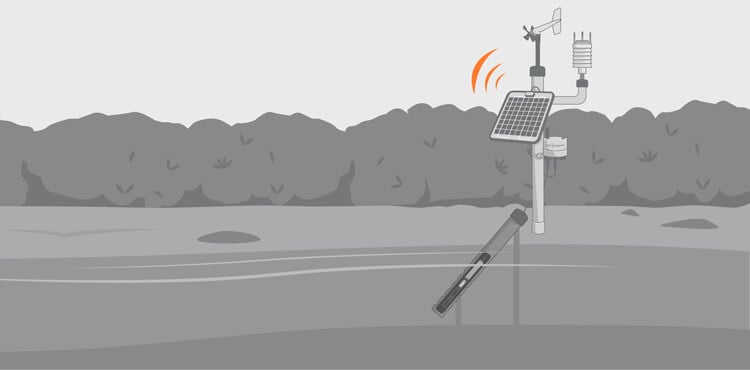
The SonTek-SL1500 Side Looking Doppler Current Meter measures water current. It easily integrates with NexSens X-Series data loggers using the SDI-12 sensor interface. Sensor Setup Before the sensor can be deployed, it must first be set up through the manufacturer’s software. Follow the manufacturer’s guidelines for sensor setup. Be sure to note the SDI-12 […]
Read More →
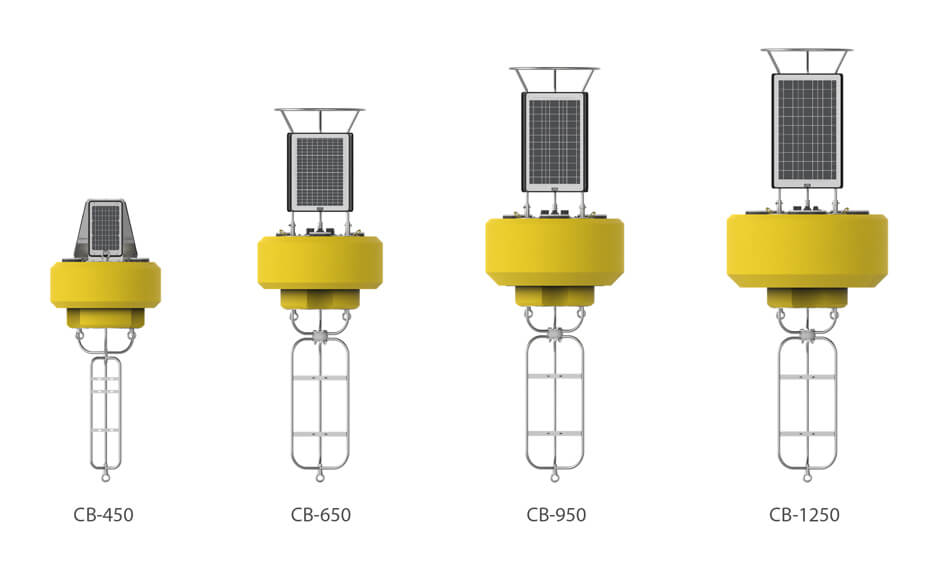
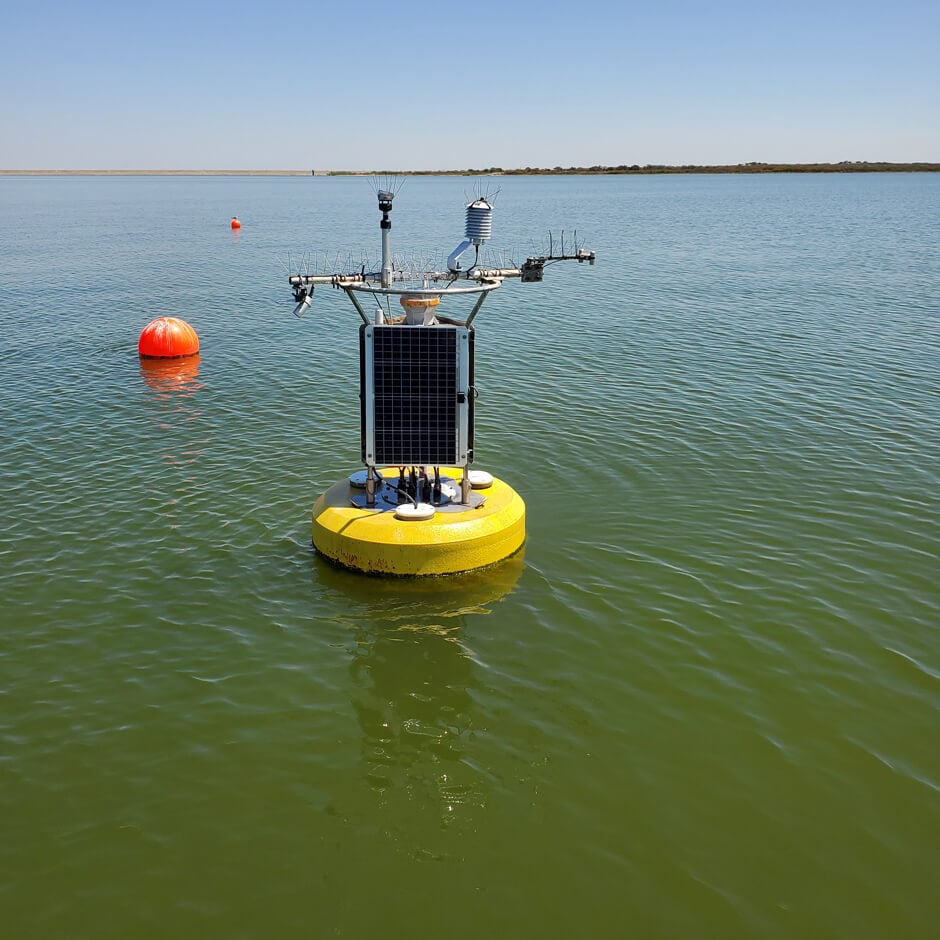
While NexSens provides turnkey systems, the CB-Series data buoys are easily customized with user-preferred power supplies, electronics, sensors, accessories and mounting hardware. Buoy Platforms This document covers the CB-450, 650, 950 and 1250 customization. For XB-200 applications, see Customizing the XB-200. When selecting a buoy platform, careful consideration of anticipated sea state, battery and solar […]
Read More →
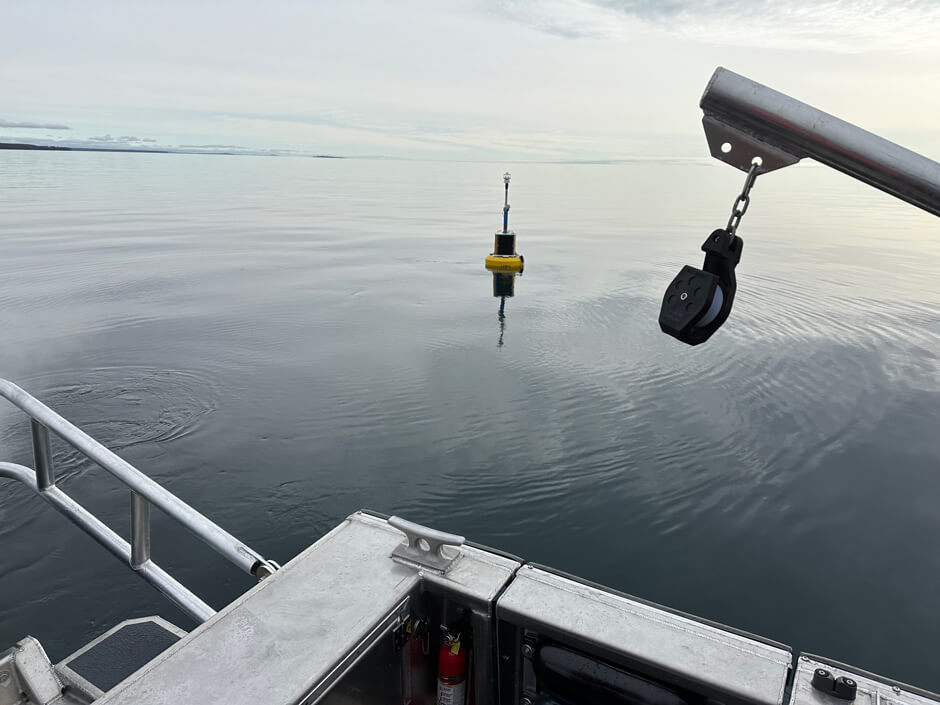
The purpose of this article is to provide resources and guidance for designing a mooring system to securely deploy NexSens data buoys. It contains only general information on the important considerations and available mooring options. Every deployment is unique and depends on factors such as local weather conditions, currents, wave heights, water depth, tidal or […]
Read More →
University of Wisconsin-Milwaukee
Harmful algal bloom (HAB) monitoring has become a popular topic of research in limnology. While most monitoring efforts center on chlorophyll measurement, the real impacts of HABs are connected to the toxins produced by cyanobacterial blooms, which can be challenging to measure. Due to their impact on human health, establishing models that allow for the […]
Read More →
University of Rhode Island
Water quality monitoring in estuaries prior to the 1990s was labor-intensive and sporadic, as samples had to be collected and brought back to the laboratory to be analyzed using lengthy procedures with specialized equipment and reagents. During the late 1990s, new innovations in automated water quality sensors made it possible to take measurements directly in […]
Read More →
Open water buoys, also referred to as data buoys, provide a stable, floating platform for deploying environmental monitoring instruments in lakes, rivers, reservoirs, estuaries, bays, and coastal or ocean waters. These systems are essential for collecting real-time data in locations that may be difficult or dangerous to access using traditional methods. Buoys can support a […]
Read More →
Multi-parameter monitoring platforms enable comprehensive environmental data collection by integrating multiple sensors into a single system. These platforms measure a variety of parameters in water, soil, and air. A multi-parameter platform might include, for example, a weather station and water quality sensors for an environmental study on the effect of local weather conditions on a […]
Read More →
Great Lakes Research Center
The Great Lakes are in a state of rapid and continuous change resulting from a host of environmental and anthropogenic stressors. Such circumstances require unique, targeted monitoring solutions to meet environmental demands and continuously document these changes. Hayden Henderson, a research engineer with the Great Lakes Research Center (GLRC), designs such systems, working with research […]
Read More →