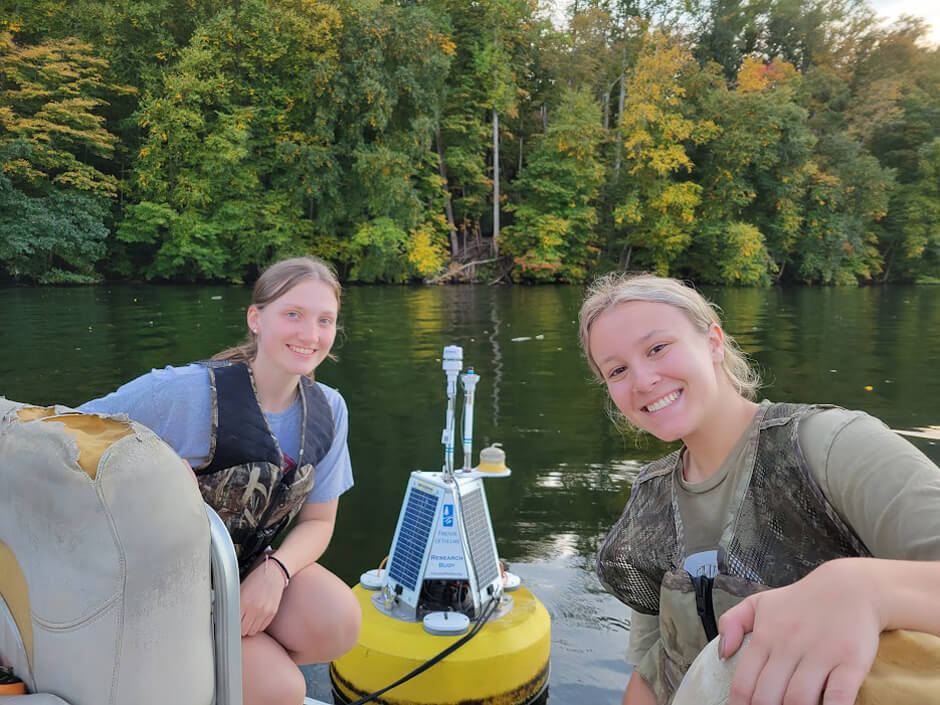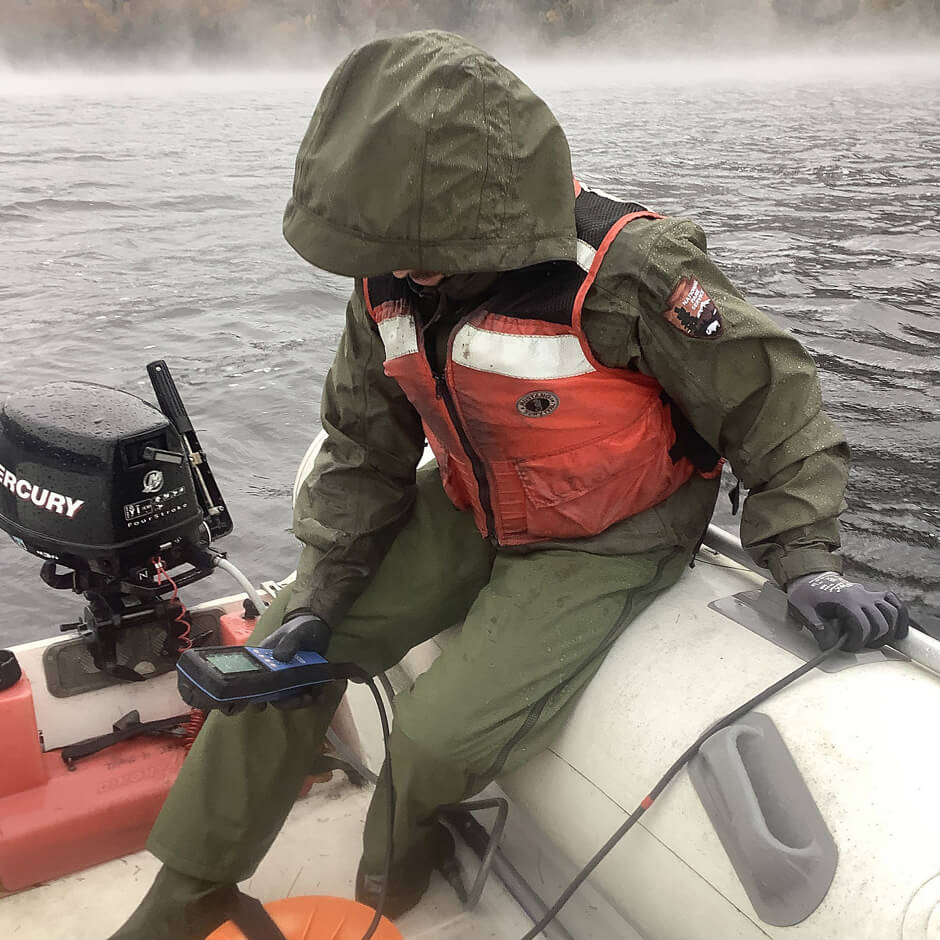
Harmful algal bloom (HAB) monitoring has become a popular topic of research in limnology. While most monitoring efforts center on chlorophyll measurement, the real impacts of HABs are connected to the toxins produced by cyanobacterial blooms, which can be challenging to measure. Due to their impact on human health, establishing models that allow for the […]
Articles Tagged: HABs
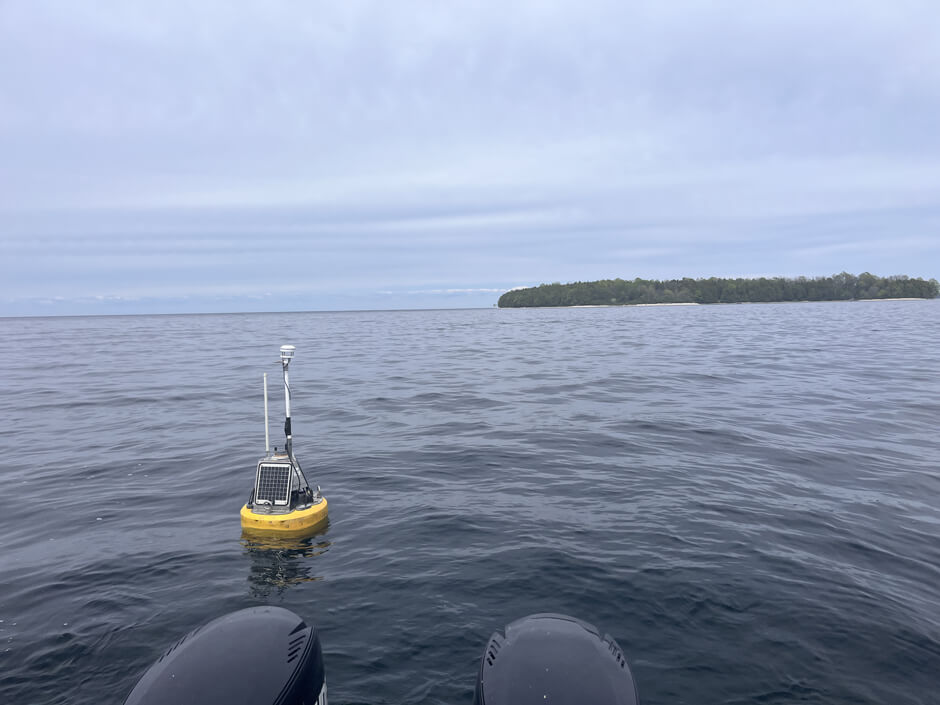
Using Data Buoys to Monitor Southern Green Bay
University of Wisconsin
Green Bay has suffered continuous influxes of pollutants and contaminants from the Fox River due to non-point source runoff in the watershed. Deterioration of the bay’s water quality extends well into the last century, and while cleanup efforts in the bay have been successful overall, continuous monitoring of the bay is important to ecosystem management. […]
3.7 Chlorophyll and Blue-Green Algae
Chlorophyll is a pigment found in plant cells and some microorganisms, such as algae and cyanobacteria. It gives these organisms their characteristic green color by reflecting the green wavelengths found in sunlight and plays a central role in the process of photosynthesis. There are several different chlorophyll molecule variants that exist. Chlorophyll-a is present in […]
Protecting Lake Lillinonah through Monitoring and Advocacy
Fairfield University | Friends of the Lake
Long-Term Monitoring in Jordan Pond
Acadia National Park | Friends of Acadia | University of Maine Climate Change Institute
Harmful Algal Bloom Monitoring and Modeling with Real-Time Technology
Yokota Lab at SUNY Oneonta and Otsego Lake Association
Collecting Limnological Data with Lake Buoys
Monitor water quality and collect limnological data with lake buoys; keeping an eye on lake health year round for water managers, and many others.