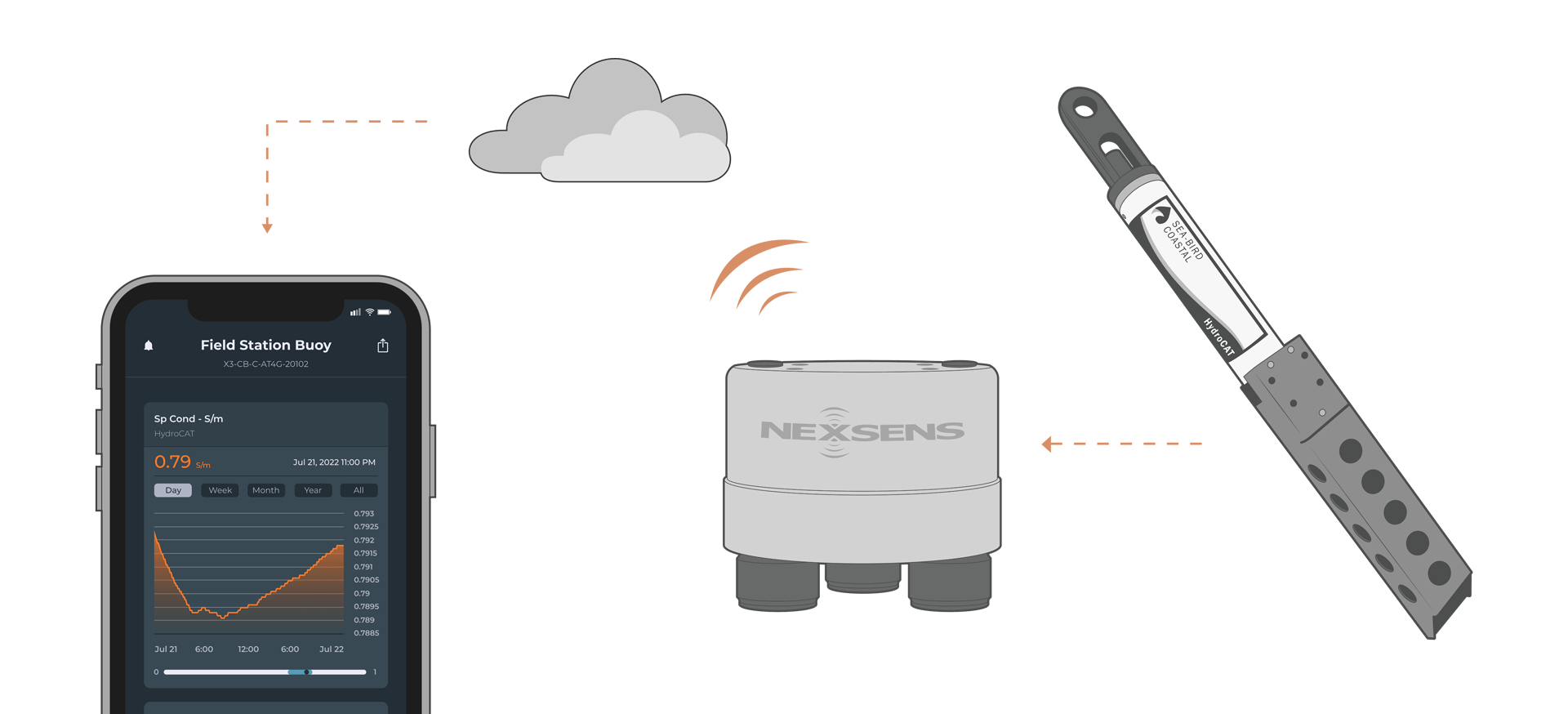
The Sea-Bird Scientific HydroCAT CTD measures conductivity, temperature, pressure, and optical dissolved oxygen. It easily integrates with NexSens X-Series data loggers using the SDI-12 sensor interface. Sensor Setup Before the sensor can be deployed, it must first be set up through Sea-Bird Scientific UCI software. Follow the manufacturer’s guidelines for sensor setup and set the […]
Read More →
The NexSens T-Node FR Thermistor String provides high-accuracy temperature data at each node location in the water column. The sensor and cable assemblies are designed for temperature profiling up to 200 meters deep. 1. Install software and set up the computer Download and install NexSens CONNECT software on a field or lab computer. Plug […]
Read More →
The YSI ODO RTU Optical Dissolved Oxygen Sensors utilize the most advanced DO measurement technology. It is often used in aquaculture, hydroelectric, and many other monitoring applications. The sensor is compatible with NexSens X-Series data loggers via RS-485 Modbus protocol. Sensor Setup Before the logger can be deployed, it must first be calibrated and set […]
Read More →
The YSI ProSwap Loggers measure a variety of water quality parameters and are compatible with NexSens X-Series data loggers using the SDI-12 sensor interface. Sensor Setup Before the logger can be deployed, it must first be set up through the YSI KOR software. Follow the manufacturer’s guidelines for setup. Note: Be sure to note the […]
Read More →
University of Wisconsin-Milwaukee
Harmful algal bloom (HAB) monitoring has become a popular topic of research in limnology. While most monitoring efforts center on chlorophyll measurement, the real impacts of HABs are connected to the toxins produced by cyanobacterial blooms, which can be challenging to measure. Due to their impact on human health, establishing models that allow for the […]
Read More →
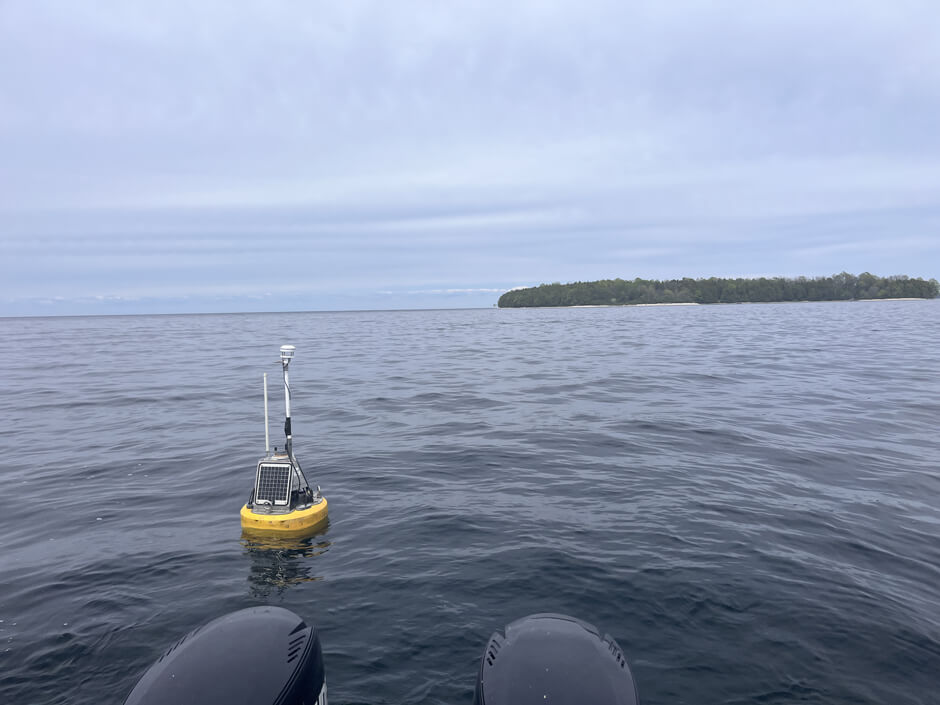
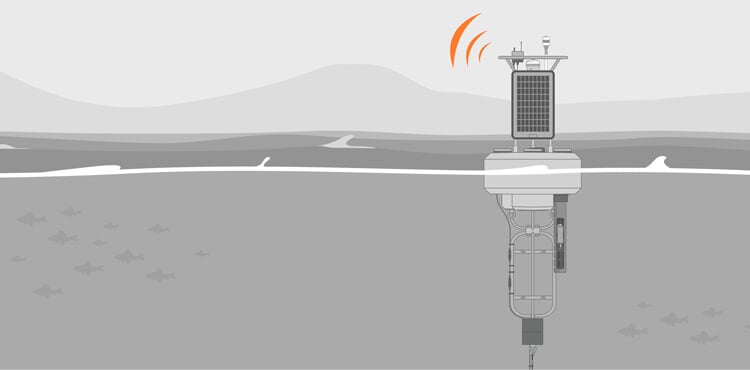
Open water buoys, also referred to as data buoys, provide a stable, floating platform for deploying environmental monitoring instruments in lakes, rivers, reservoirs, estuaries, bays, and coastal or ocean waters. These systems are essential for collecting real-time data in locations that may be difficult or dangerous to access using traditional methods. Buoys can support a […]
Read More →
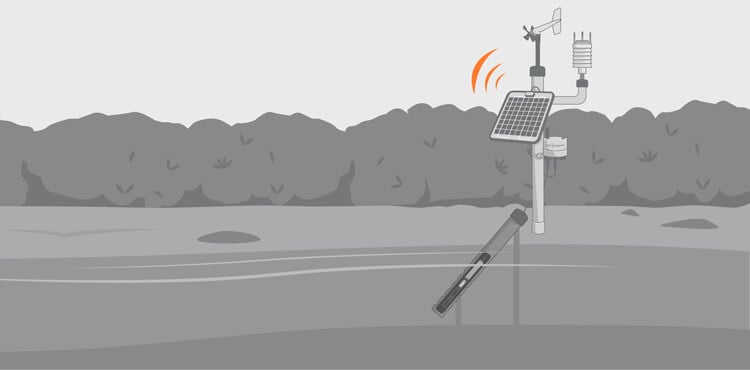
Multi-parameter monitoring platforms enable comprehensive environmental data collection by integrating multiple sensors into a single system. These platforms measure a variety of parameters in water, soil, and air. A multi-parameter platform might include, for example, a weather station and water quality sensors for an environmental study on the effect of local weather conditions on a […]
Read More →
Great Lakes Research Center
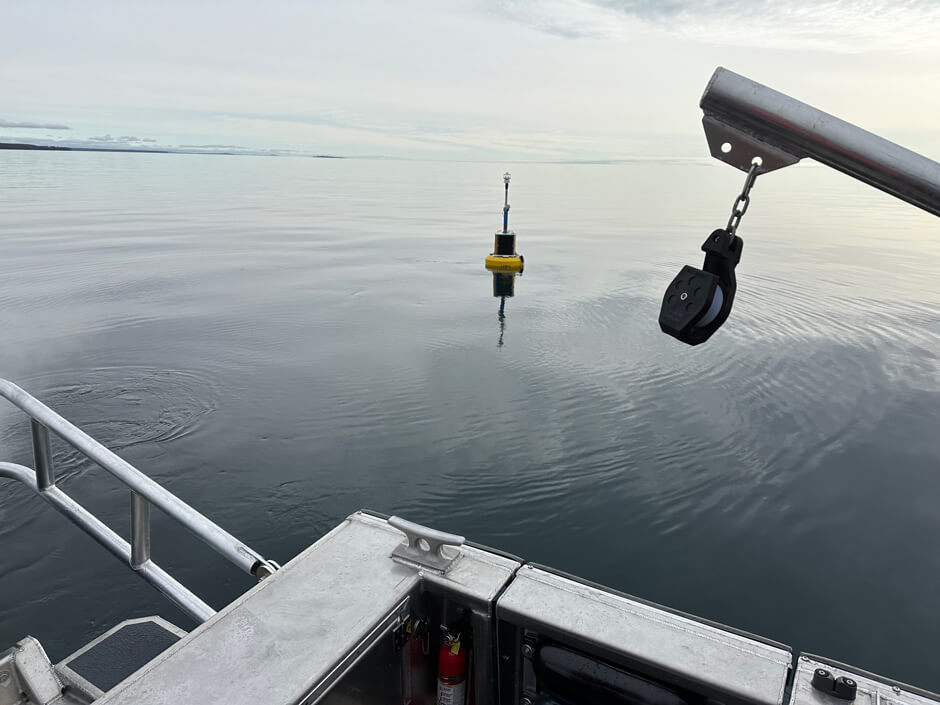
The Great Lakes are in a state of rapid and continuous change resulting from a host of environmental and anthropogenic stressors. Such circumstances require unique, targeted monitoring solutions to meet environmental demands and continuously document these changes. Hayden Henderson, a research engineer with the Great Lakes Research Center (GLRC), designs such systems, working with research […]
Read More →
Syracuse University
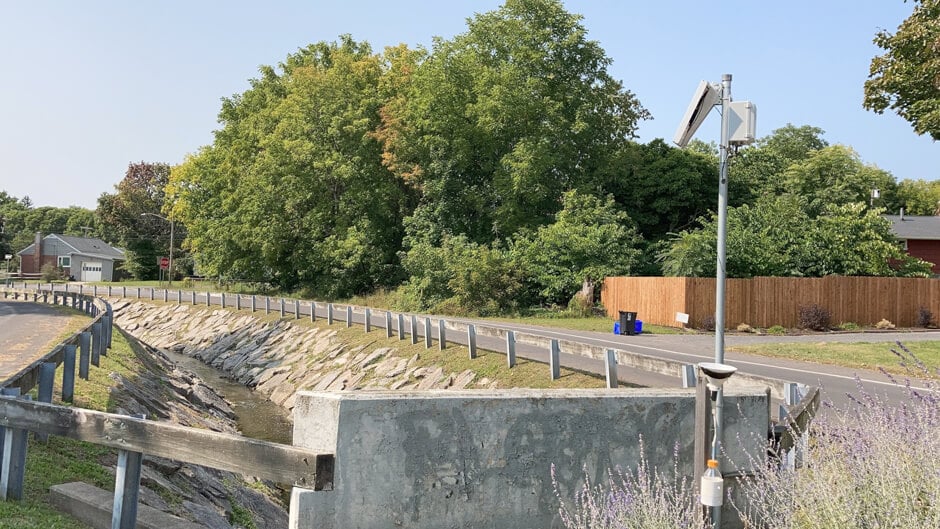
Syracuse, New York, is home to a number of urban creeks, ideal for monitoring the influence of human development on water resources. Syracuse University (SU) faculty, staff, and students have been monitoring the city’s waterways for over a decade, with Dr. Laura Lautz establishing a more formal program focused on collecting grab water samples from […]
Read More →