The Great Lakes are in a state of rapid and continuous change resulting from a host of environmental and anthropogenic stressors. Such circumstances require unique, targeted monitoring solutions to meet environmental demands and continuously document these changes.
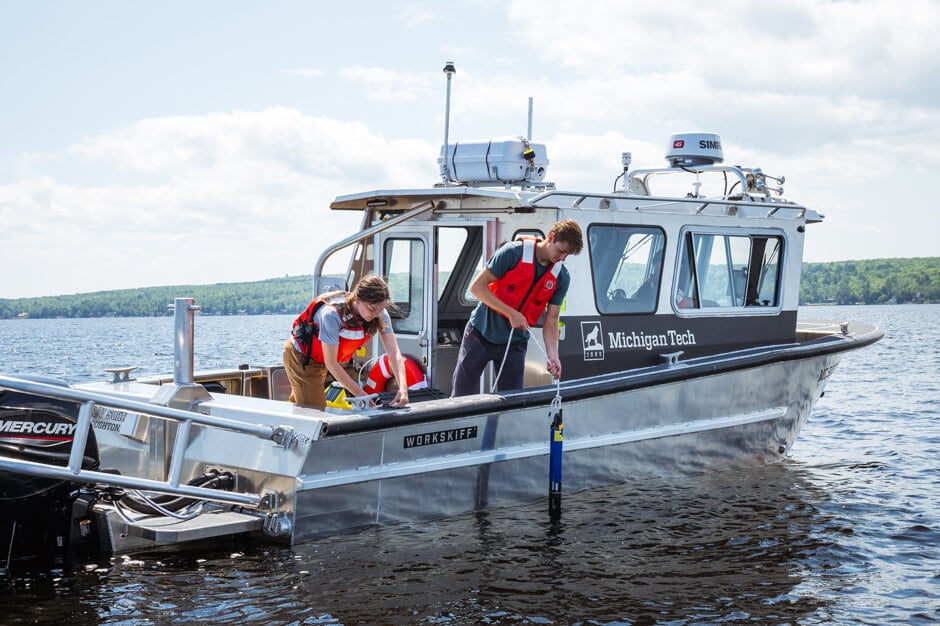
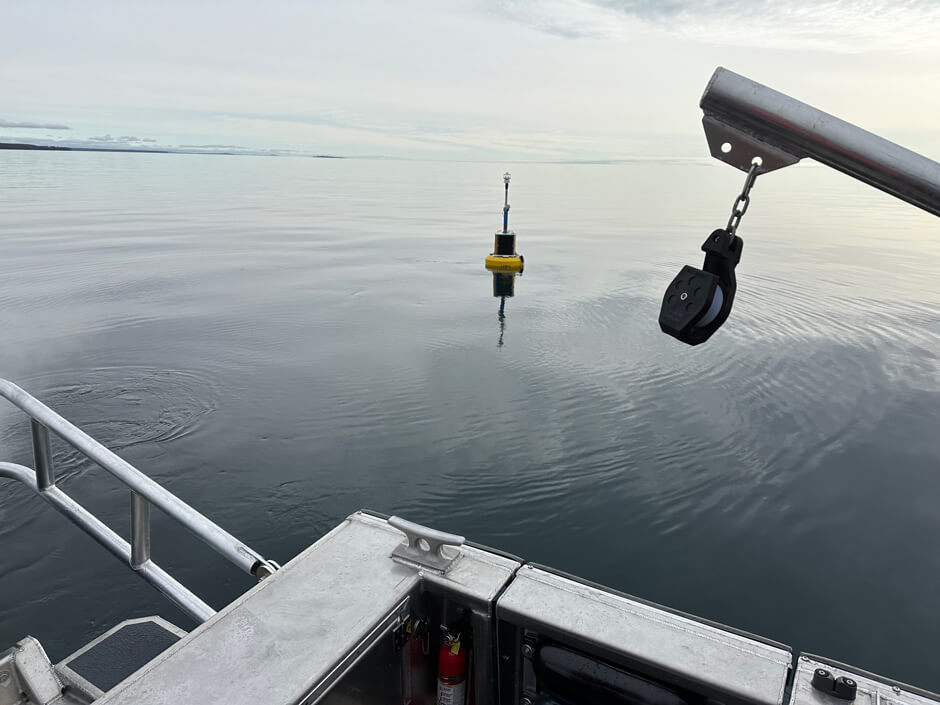 Hayden Henderson, a research engineer with the Great Lakes Research Center (GLRC), designs such systems, working with research groups like the Great Lakes Observing System (GLOS), NOAA’s Ocean Technology Transition Program, and NOAA’s Ocean Acidification Program, to formulate monitoring solutions and monitor multiple points throughout the Great Lakes region.
Challenge: Meeting Unique Environmental Demands and Building Historical Data Sets
Any monitoring solution designed for deployment in the Great Lakes needs to meet the environmental demands of the deployment lake and also effectively monitor goal parameters. In this case, there is no one-size-fits-all approach to monitoring, even in cases where the same conditions are being observed.
Henderson explains, “There is such a gradient to the Great Lakes. For some optical instruments, this means buying them with completely different pathlengths for one lake versus another, or even from one basin to another in the same lake.”
He continues, “Superior, for instance, is so oligotrophic that we struggle to detect rudimentary parameters like chlorophyll, whereas in Lake Erie, you have to swap sondes or sensors every few months just to try and keep them close to functional!”
 The other challenge Henderson is seeking to resolve through various monitoring efforts in the Great Lakes is starting to build (or adding onto) highly granular historical data sets that can be used for modeling and documenting the changes occurring in this region.
“We’re in an era where the Lakes are changing faster than we’re currently measuring and monitoring them. One of my hopeful continued contributions is continuing to push increasing the spatiotemporal scale at which we are monitoring the Great Lakes,” states Henderson.
He continues, “You can’t measure yesterday but you can start today–and we can’t know how much something increased over the last decade if we didn’t start measuring it 10 years ago!”
Solution: Targeted Instrumentation and Expansive Monitoring across the Great Lakes
The GLRC works with various groups to design and integrate monitoring platforms that meet monitoring goals and are built for deployment in specific lakes.
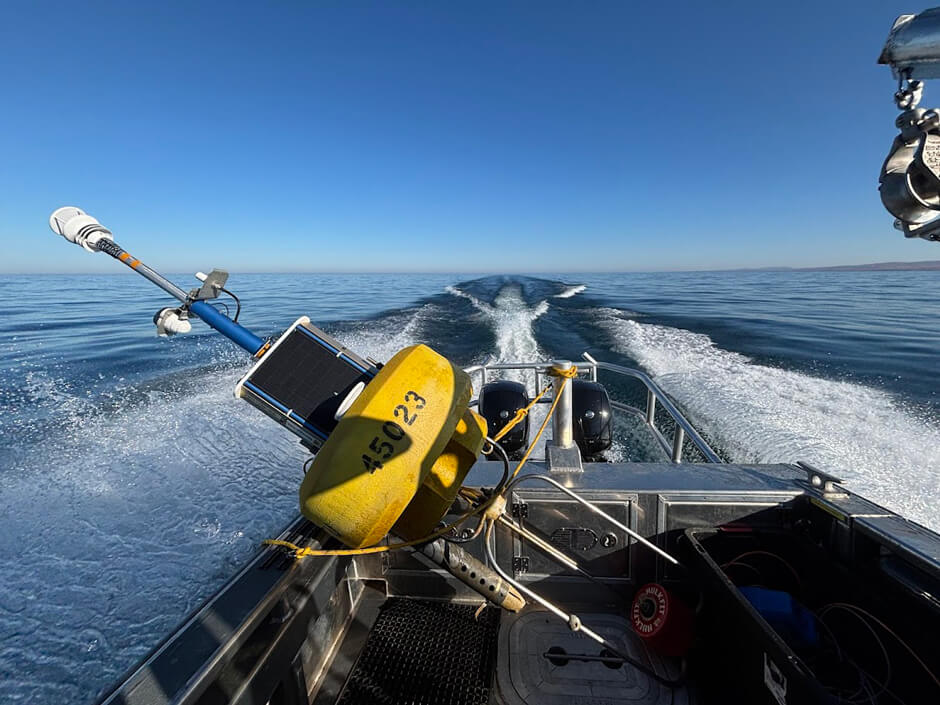
 Each of the systems are built out from a NexSens data buoy and instrumented depending on site locations, monitoring needs, and project goals. Commons sensor selection includes SVS603 HR wave sensors, Gill Maximet 501, YSI EXO2 and 3, TS210 temperature strings, Pro Oceanus mini pCO2, Pro Oceanus Pro ATM pCO2, TriOS NICO Plus, and Nortek ADCPs.
Instrumentation and maintenance schedules vary depending on lake conditions and manufacturer guidelines. Integrated real-time data loggers make the data available remotely and collect a highly granular dataset.
Benefit: Durable Monitoring Solutions with Long-Lasting Impacts
Sensors are meticulously selected to meet environmental demands and data needs. The loggers help build data sets throughout the deployment period and remove the need for site visits to download data.
Designing systems with the end deployment in mind ensures that these monitoring buoys can be deployed year after year and gather high-resolution data during the season without interruption.
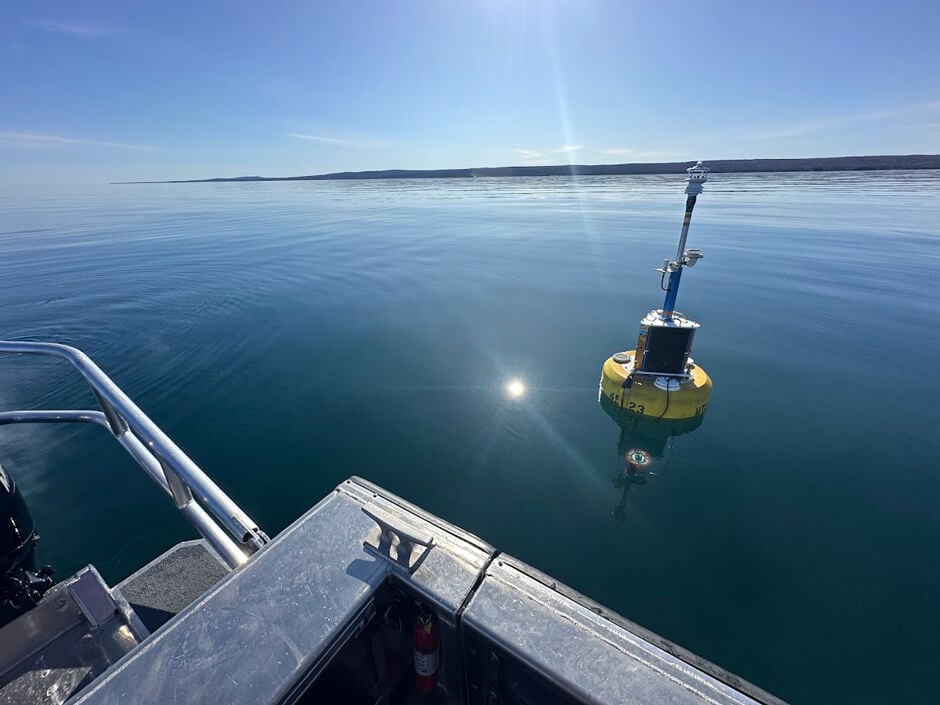 Henderson explains, “On a science cruise in the Pacific, I heard John Fram from Oregon State say, ‘If you achieve at 99 percent in the classroom, that’s an A–no question about it. If you build something to 99% and put it in the water, it will break.’”
The difference is that these systems are built to 100%–and such intentional design is necessary to meet the data needs of the region, fill knowledge gaps, and equip resource managers with the information needed to best protect these critical resources.
The Bottom Line
While challenging, this is what makes the work rewarding, according to Henderson.
“The pursuit of success is the most rewarding part. Successfully building and deploying something that sends data back from far-off places, 24 hours a day, that’s the reward. Obtaining hard-to-get data at temporal or spatial scales that help resolve unknowns–that’s the reward,” states Henderson.
The data that the GLRC is working to build today will inform future land use and capture an important part of the Great Lakes story as the region undergoes extreme changes under anthropogenic and environmental stressors.
Equipment
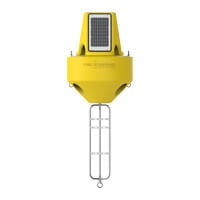
The XB-200 is ideal for water monitoring applications requiring portability and quick deployment, yet strong enough for rough water.
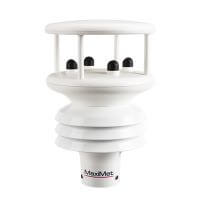
The MaxiMet Marine Compact Sensors combine IP68 environmental protection with high quality sensors for deployment on data buoys and in other marine environments.
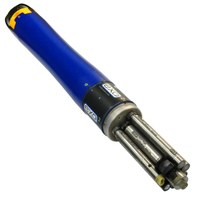
The YSI EXO represents the next generation of water quality instruments from YSI. The EXO2 sonde includes six sensor ports and a central anti-fouling wiper option.
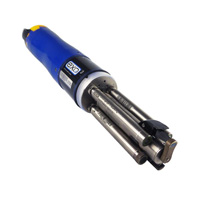
The YSI EXO3 is a purpose-built sonde for monitoring major water quality parameters, including: pH, conductivity, temperature, turbidity and dissolved oxygen.
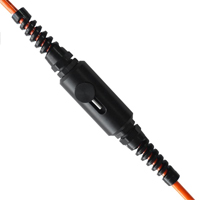
The NexSens TS210 Thermistor String provides high precision temperature measurements for profiling in lakes, streams, and coastal waters.
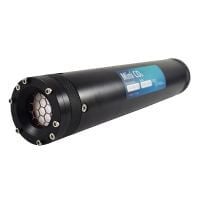
The Pro-Oceanus Mini CO2 probe is a flexible instrument designed for dissolved CO2 measurements and is ideally suited for high-variability environments.
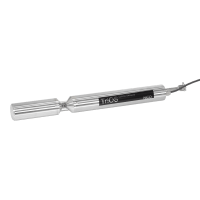
The TriOS NICO is a low-cost UV photometer for online measurement of nitrate in lakes/rivers, drinking water, and wastewater applications.

