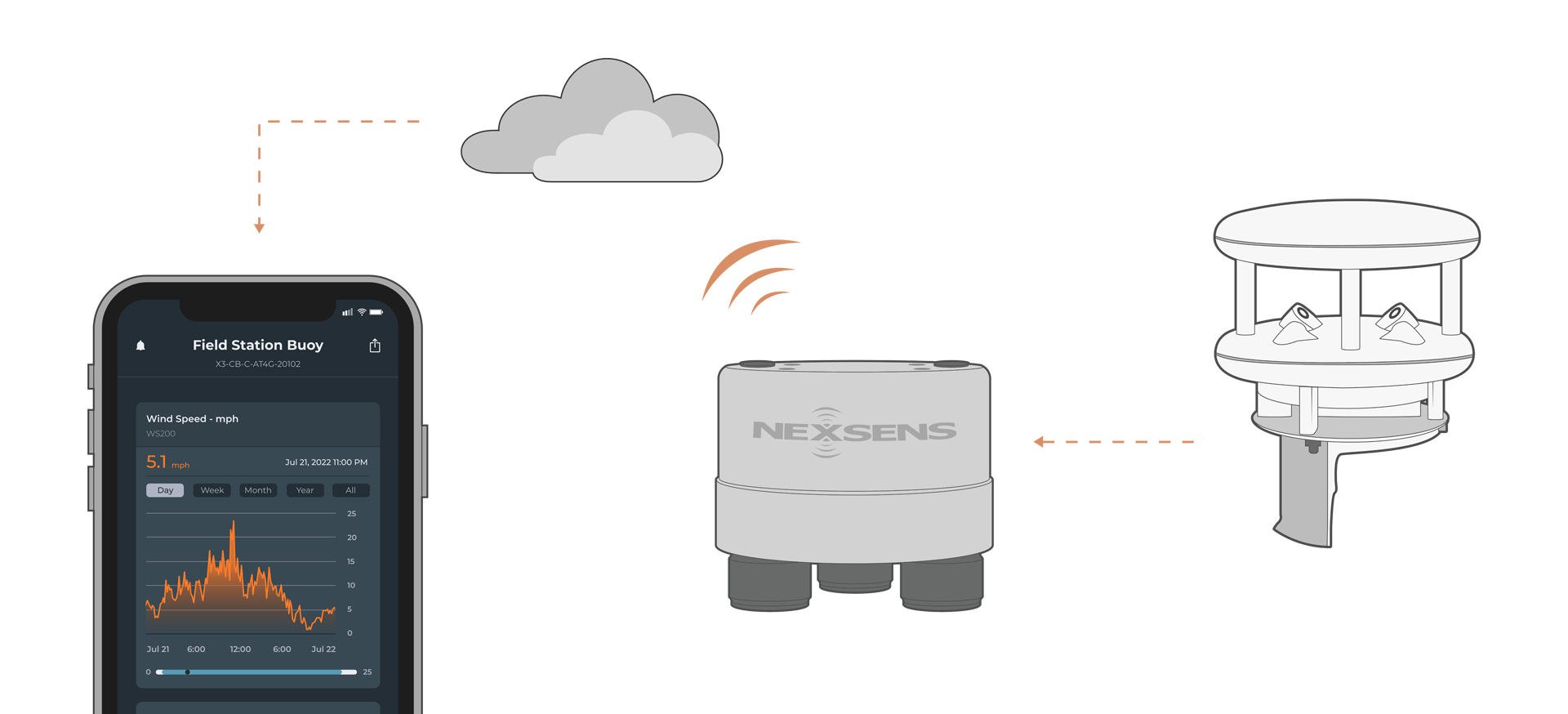
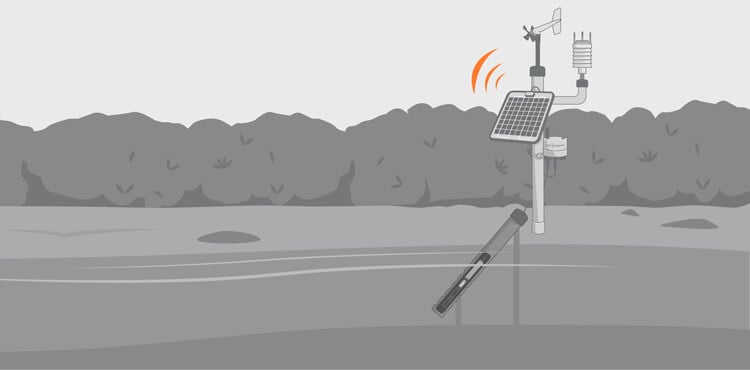
The Lufft WS-Series Weather Stations simultaneously measure a combination of air temperature, humidity, pressure, precipitation, solar radiation, lightning, and wind with an integrated electronic compass. It is compatible with NexSens X-Series data loggers using the SDI-12 sensor interface. Sensor Setup Follow the manufacturer’s guidelines to set up and operate the sensor for SDI-12 output, and […]
Read More →
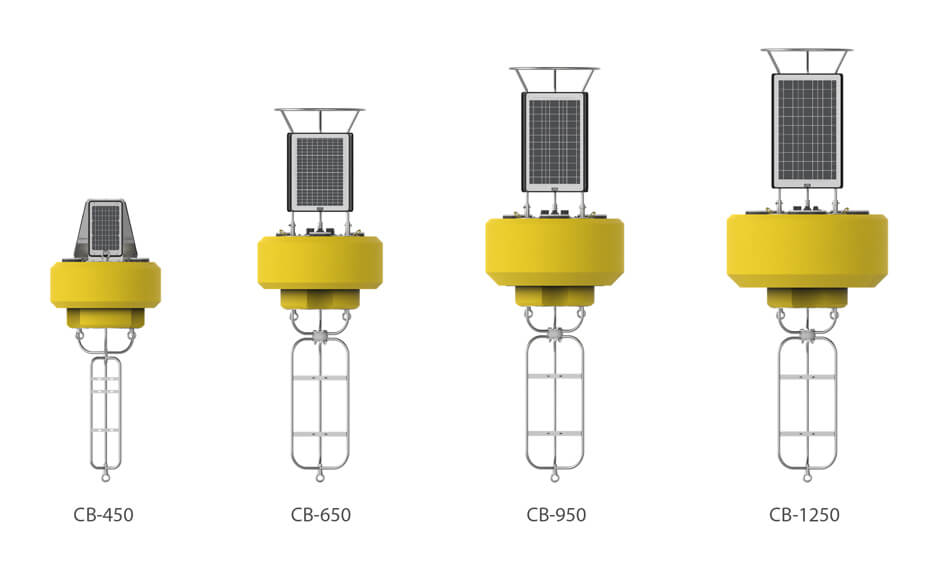
While NexSens provides turnkey systems, the CB-Series data buoys are easily customized with user-preferred power supplies, electronics, sensors, accessories and mounting hardware. Buoy Platforms This document covers the CB-450, 650, 950 and 1250 customization. For XB-200 applications, see Customizing the XB-200. When selecting a buoy platform, careful consideration of anticipated sea state, battery and solar […]
Read More →
University of Wisconsin-Milwaukee
Harmful algal bloom (HAB) monitoring has become a popular topic of research in limnology. While most monitoring efforts center on chlorophyll measurement, the real impacts of HABs are connected to the toxins produced by cyanobacterial blooms, which can be challenging to measure. Due to their impact on human health, establishing models that allow for the […]
Read More →
University of Rhode Island
Water quality monitoring in estuaries prior to the 1990s was labor-intensive and sporadic, as samples had to be collected and brought back to the laboratory to be analyzed using lengthy procedures with specialized equipment and reagents. During the late 1990s, new innovations in automated water quality sensors made it possible to take measurements directly in […]
Read More →
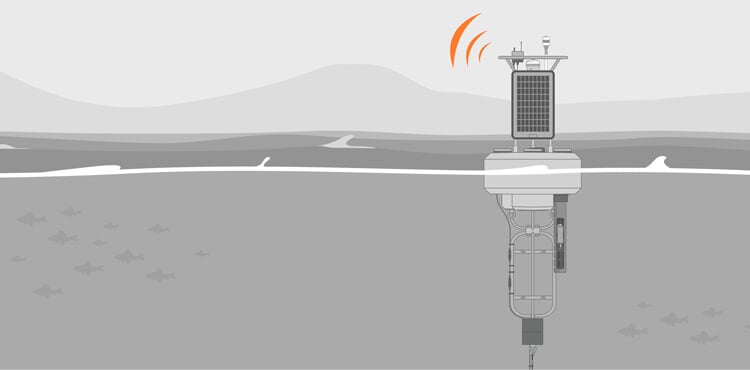
Open water buoys, also referred to as data buoys, provide a stable, floating platform for deploying environmental monitoring instruments in lakes, rivers, reservoirs, estuaries, bays, and coastal or ocean waters. These systems are essential for collecting real-time data in locations that may be difficult or dangerous to access using traditional methods. Buoys can support a […]
Read More →
Real-Time Water Quality Measurements The In-Situ Series of Multi-Parameter Water Quality Sondes (AquaTroll 200/400/500/600) are compatible with NexSens X-Series data loggers via the SDI-12 communication protocol and sensor interface. A user-generated script on NexSens X-Series data loggers can detect, log, and transmit all parameters output by the In-Situ sondes. Parameter data is transmitted, in real-time, […]
Read More →
Multi-parameter monitoring platforms enable comprehensive environmental data collection by integrating multiple sensors into a single system. These platforms measure a variety of parameters in water, soil, and air. A multi-parameter platform might include, for example, a weather station and water quality sensors for an environmental study on the effect of local weather conditions on a […]
Read More →
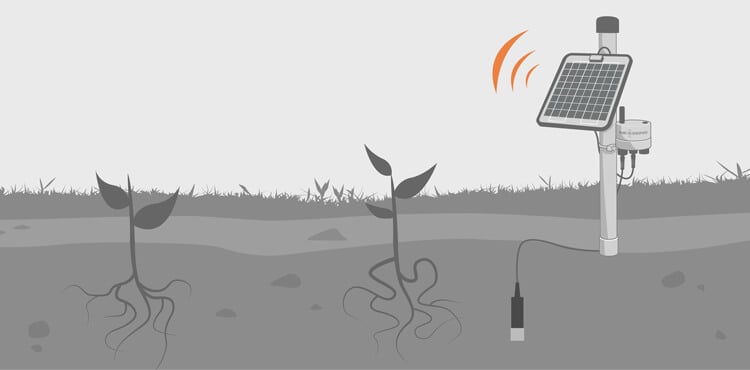
Soil oxygen concentration refers to the amount of oxygen present within the soil matrix, typically expressed as a percentage of the soil’s pore space volume. Well-aerated soils often have oxygen concentrations near atmospheric levels of about 20.95%. It may also include dissolved oxygen in the soil solution. However, oxygen dissolved in soil water is typically […]
Read More →
Soil pH is a measure of the acidity or alkalinity of soil, represented on a logarithmic scale ranging from 0 to 14, with 7 being neutral. Soils with pH values below 7 are acidic, while those above 7 are alkaline. Most soils fall within the range of pH 3 (ultra acid) to pH 10 (extremely […]
Read More →
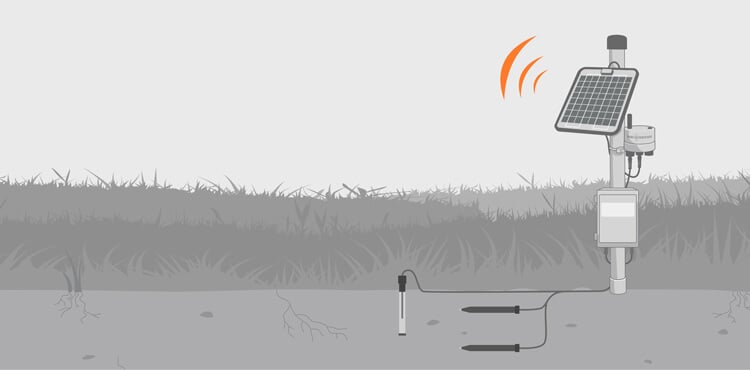
Soil salinity refers to the concentration of salts found in soil water. Common soil salts include chlorides like sodium chloride and calcium chloride, as well as some carbonate compounds like lime (calcium carbonate) and sulphate compounds like gypsum (calcium sulphate). Salinity is closely related to soil conductivity as dissolved salt ions are the primary source […]
Read More →