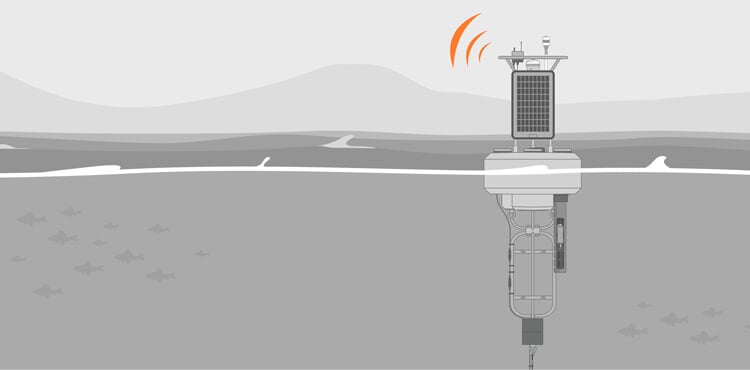
Open water buoys, also referred to as data buoys, provide a stable, floating platform for deploying environmental monitoring instruments in lakes, rivers, reservoirs, estuaries, bays, and coastal or ocean waters. These systems are essential for collecting real-time data in locations that may be difficult or dangerous to access using traditional methods. Buoys can support a […]
Handbook
7.1 Multi-Parameter Monitoring
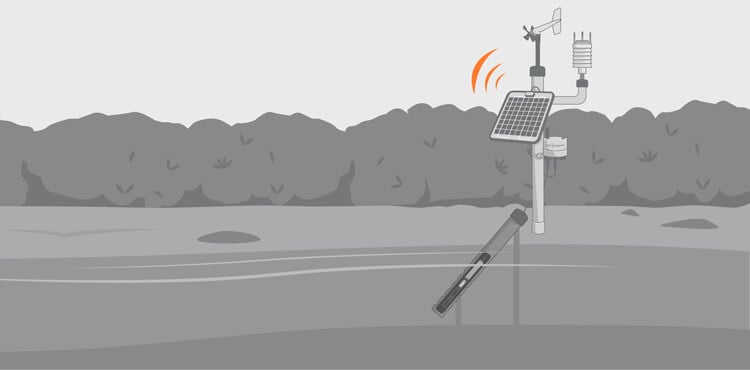
Multi-parameter monitoring platforms enable comprehensive environmental data collection by integrating multiple sensors into a single system. These platforms measure a variety of parameters in water, soil, and air. A multi-parameter platform might include, for example, a weather station and water quality sensors for an environmental study on the effect of local weather conditions on a […]
6.6 Soil Oxygen
Soil oxygen concentration refers to the amount of oxygen present within the soil matrix, typically expressed as a percentage of the soil’s pore space volume. Well-aerated soils often have oxygen concentrations near atmospheric levels of about 20.95%. It may also include dissolved oxygen in the soil solution. However, oxygen dissolved in soil water is typically […]
6.5 Soil pH
Soil pH is a measure of the acidity or alkalinity of soil, represented on a logarithmic scale ranging from 0 to 14, with 7 being neutral. Soils with pH values below 7 are acidic, while those above 7 are alkaline. Most soils fall within the range of pH 3 (ultra acid) to pH 10 (extremely […]
6.4 Soil Salinity
Soil salinity refers to the concentration of salts found in soil water. Common soil salts include chlorides like sodium chloride and calcium chloride, as well as some carbonate compounds like lime (calcium carbonate) and sulphate compounds like gypsum (calcium sulphate). Salinity is closely related to soil conductivity as dissolved salt ions are the primary source […]
6.3 Electrical Conductivity
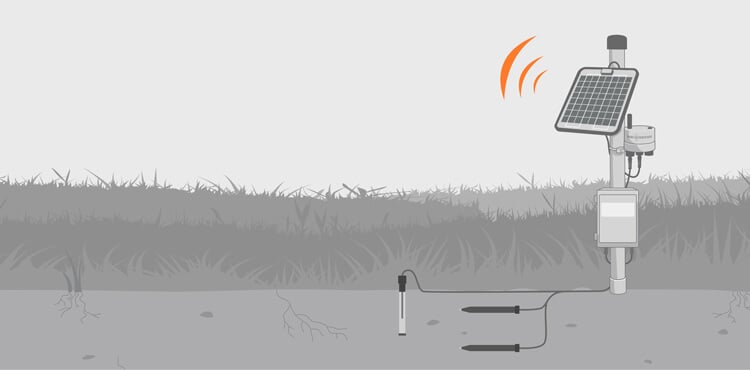
Soil conductivity, often referred to as electrical conductivity (EC), measures the ability of soil to conduct electrical current. This property is determined by the presence of dissolved salts and other charged particles (ions) in the soil solution. Conductivity is directly influenced by soil moisture, temperature, and salinity, as water and dissolved ions serve as the […]
6.2 Soil Temperature
Soil temperature is the measure of heat (kinetic energy) within the soil, influenced by factors such as solar radiation, air temperature, soil composition, moisture content, and depth. Soils store heat during the day and act as a heat source at night. The transfer of heat through the soil occurs via conduction, with heat moving from […]
6.1 Soil Moisture
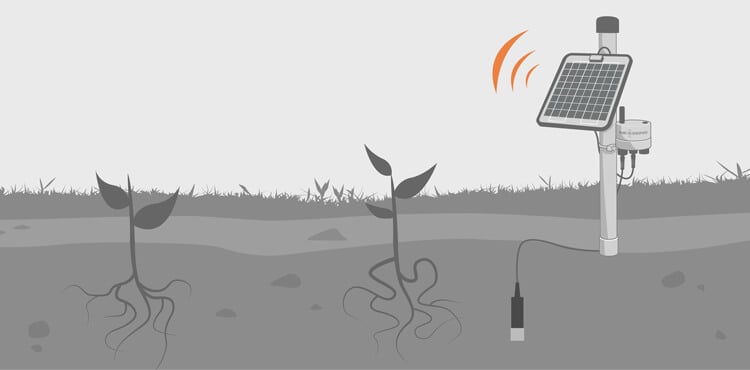
Soil moisture is the amount of water present in the pore spaces between soil particles. It is influenced by several factors, including rainfall, runoff, root absorption, and evaporation. Soil composition, texture, structure, and organic matter content also affect a soil’s capacity to absorb and release water, with finer soils like clay retaining water more effectively […]
5.6 Wind Speed and Direction
Wind refers to the horizontal movement of air caused by differences in atmospheric pressure. It plays a crucial role in shaping weather patterns, driving ocean currents, and influencing temperature and precipitation around the globe. Understanding wind patterns and their strength is fundamental for meteorology, environmental monitoring, and applications such as aviation and renewable energy. Wind […]
5.5 Solar Radiation
Solar radiation is the electromagnetic energy from the sun that reaches the Earth. It is a fundamental component of the Earth’s climate system and is critical for various environmental and meteorological studies. The amount of solar radiation reaching the Earth’s surface depends on various factors such as the angle of the sun, atmospheric conditions, and […]