

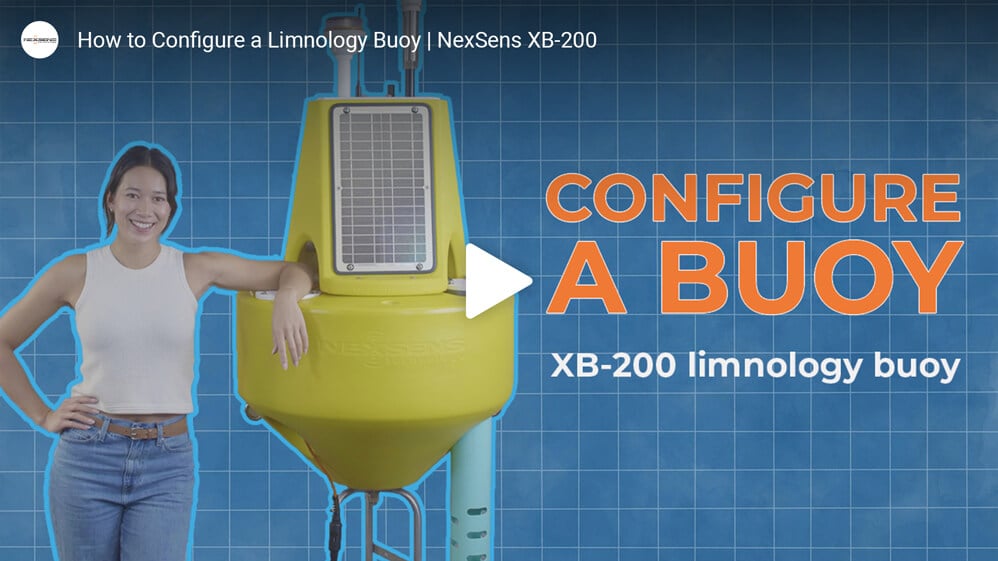
How to Configure a Limnology Buoy | NexSens XB-200
Recommended Inland Lake Monitoring System
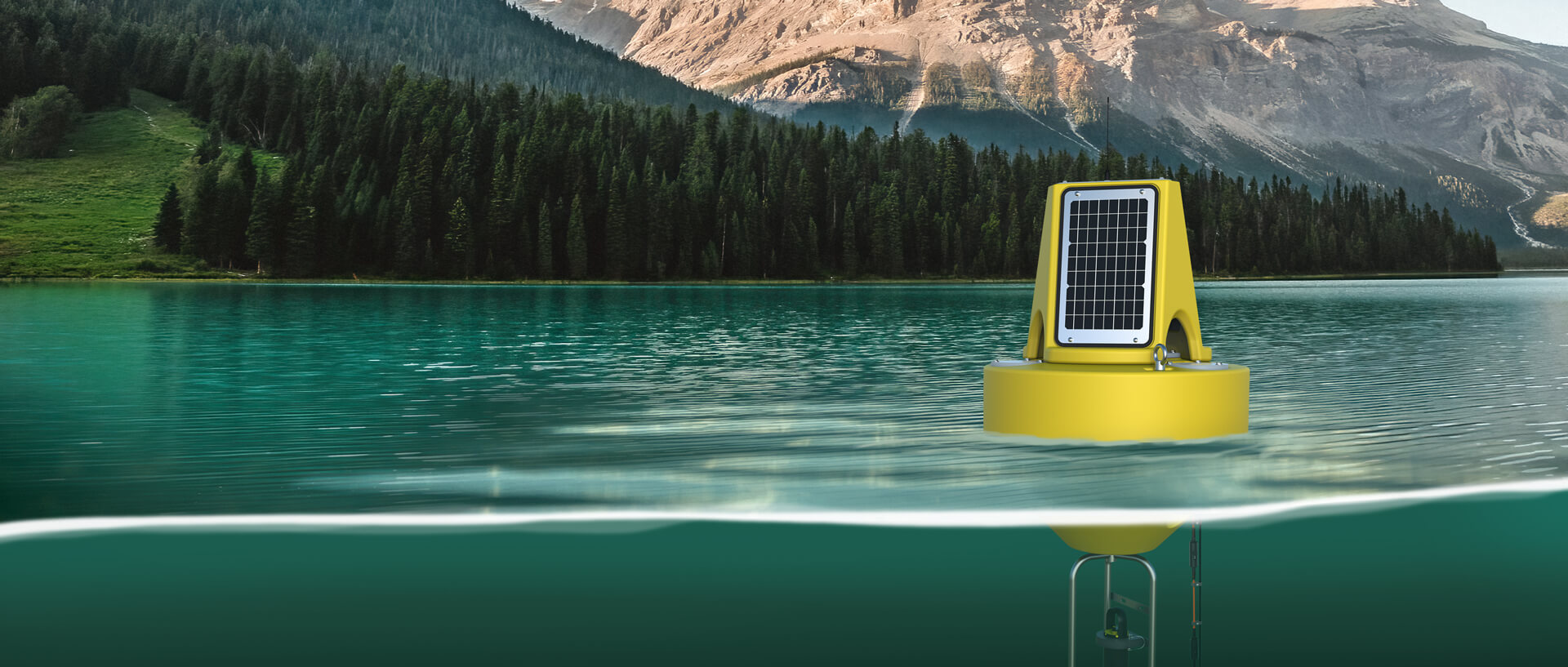
Buoys provide an ideal platform for studying inland lake conditions as they offer great flexibility in the placement of instrumentation. Turnkey systems simplify setup, achieving plug-and-play performance with a wide range of sensor types.
Buoy
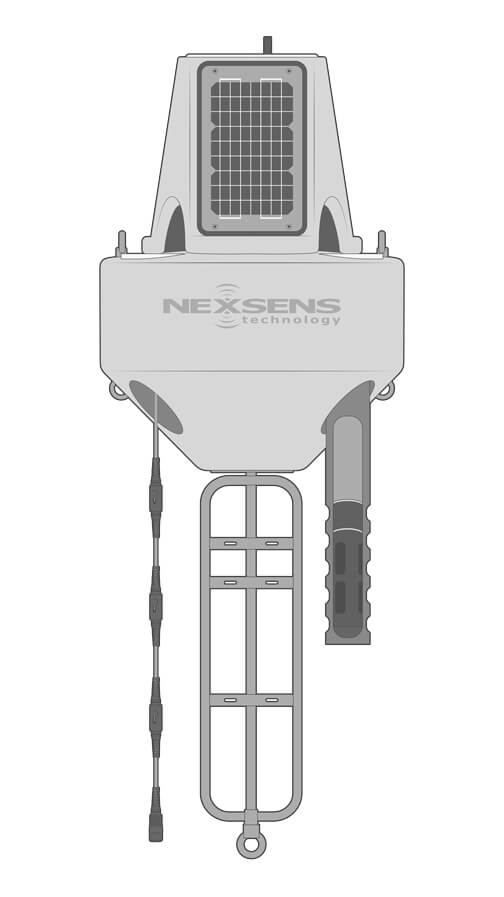
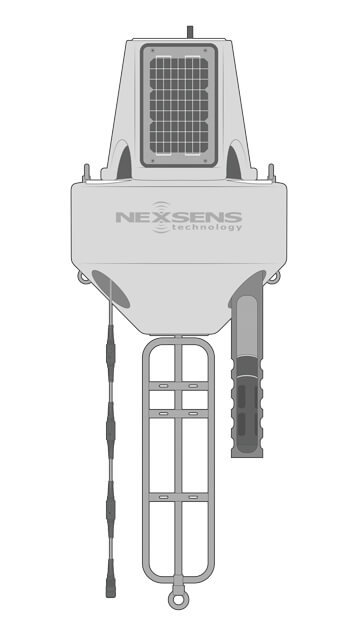
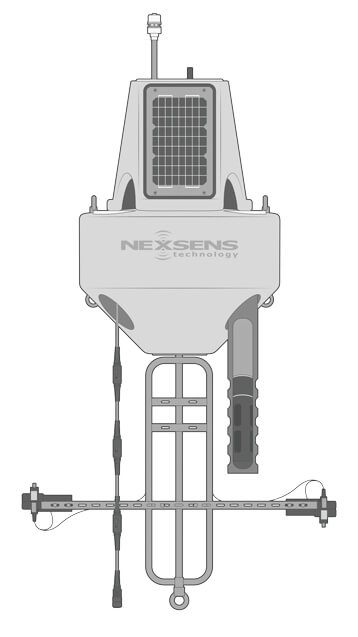
The XB-200 buoy is a robust and powerful, yet lightweight and easy-to-deploy platform at just under 70 lb (30 kg). The molded polyethylene hull withstands harsh environmental conditions for years of monitoring in long-term research applications.
Data Logger
The X3 data logger conveniently mounts to the solar tower of the XB-200 buoy. Near real-time data is transmitted via Wi-Fi, 4G LTE, or Iridium satellite telemetry. Pluggable sensor ports ensure simple, waterproof sensor connections.
Water Quality Measurements
Multi-parameter water quality sondes like the YSI EXO deliver critical water quality measurements in a single instrument. Sensors record combinations of temperature, conductivity, pH, turbidity, dissolved oxygen, algae, nutrients, and organic materials.
Temperature Profiling
Measuring temperature gradients from surface to bottom is common for lakes that experience seasonal stratification and turnover. The fixed-node TS210 and modular T-Node FR thermistor strings provide a customizable solution for nearly any application.
Power
The 15W solar panels and up to 56 A-hr battery capacity of the XB-200 data buoy support a substantial sensor payload for comprehensive, high-frequency limnological measurements. Solar panels are angled and oriented to capture sunlight from any direction.
Accessories
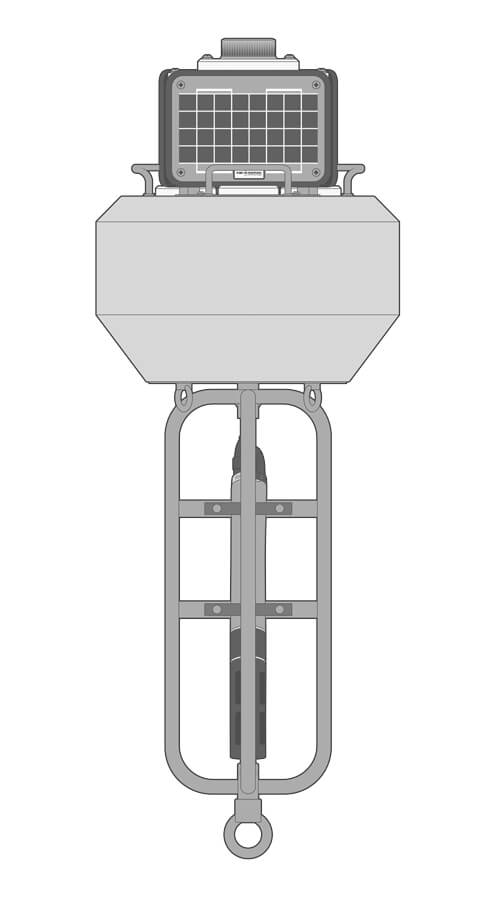
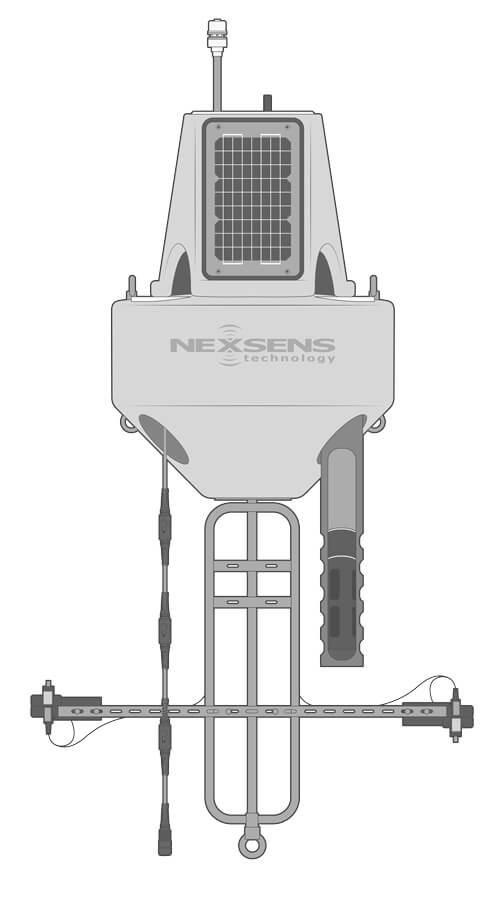
Custom mounts are available for many common sensor types. Perforated deployment pipes accommodate water quality sensors near the surface, while brackets are available for secure attachment to the buoy frame or suspended sensor lines.
Need More?
Different lakes may call for different measurements. NexSens monitoring platforms provide industry-leading flexibility to accommodate a wide range of sensor types and deliver quality data for any long-term application.
Topside Sensors
Meteorological instruments can be mounted on the buoy tower and connected to the X3 data logger to add weather data, including air temperature, wind, precipitation, and solar radiation. Mounting brackets are available for most instrument types.
Alternate Buoy Sizes
While the XB-200 is a versatile platform that can meet the power requirements for most inland lake applications, data buoys are available in many different sizes and power capacities to meet diverse project demands and budgets.
The CB-75 is a small, easily portable buoy that can be used for limited measurements with basic water quality sensors in seasonal or short-term deployments. Battery-only configurations are also available for locations with minimal solar charge capacity.
For sensor configurations with a heavier power demand or requiring more buoyancy, larger buoy platforms like the CB-650 and CB-950 are available. More advanced instrumentation, including wave sensors and ADCP current profilers, may be integrated.
Mooring
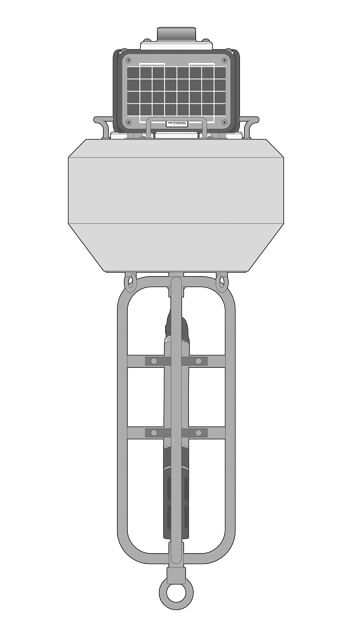
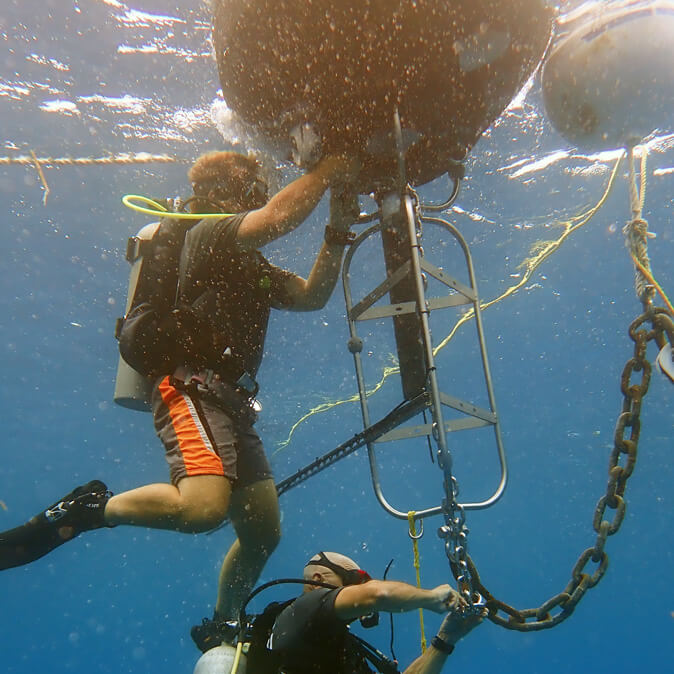
Inland lakes buoys may be deployed with either single-point or two-point mooring styles. Single-point designs work well and reduce materials for shallow applications in lakes with relatively calm conditions.
For larger, deeper lakes, or any time a sensor string will be suspended below the buoy, two-point moorings may be preferred. Proper design helps to avoid twisting or tangling of sensor data cables with mooring lines.
Real-Time Lake Data
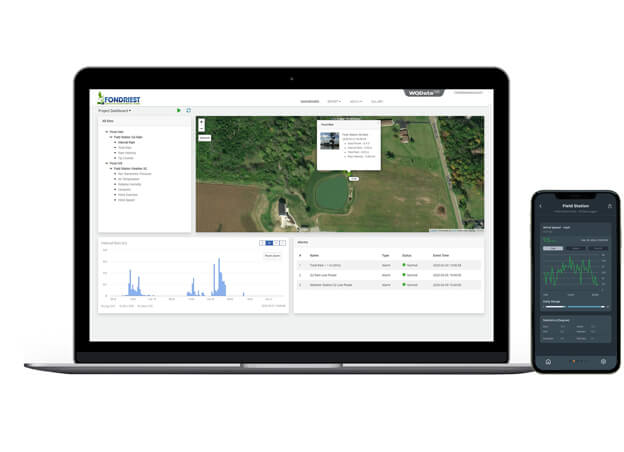
Wireless data transmission makes lake data available in near real-time on the WQData LIVE web datacenter from nearly any location worldwide.
Tools included with the free, basic configuration allow users to securely access, analyze, share and download data as well as set simple high/low Quick Alert notifications and remotely update data logger settings.
Subscription-based tiers of WQData LIVE enable advanced reporting, alarming, and data dissemination, including automated export, API, and Public Portal options.

Purchase in the USA
Visit our US distributor, Fondriest Environmental, to purchase online.

Purchase Internationally
Click the button below to find a local distributor.
Contact a NexSens Applications Scientist
Need help designing an Environmental IoT system? NexSens applications scientists will help you design the perfect monitoring system to meet field conditions and monitoring needs.
Related Videos

Case Studies
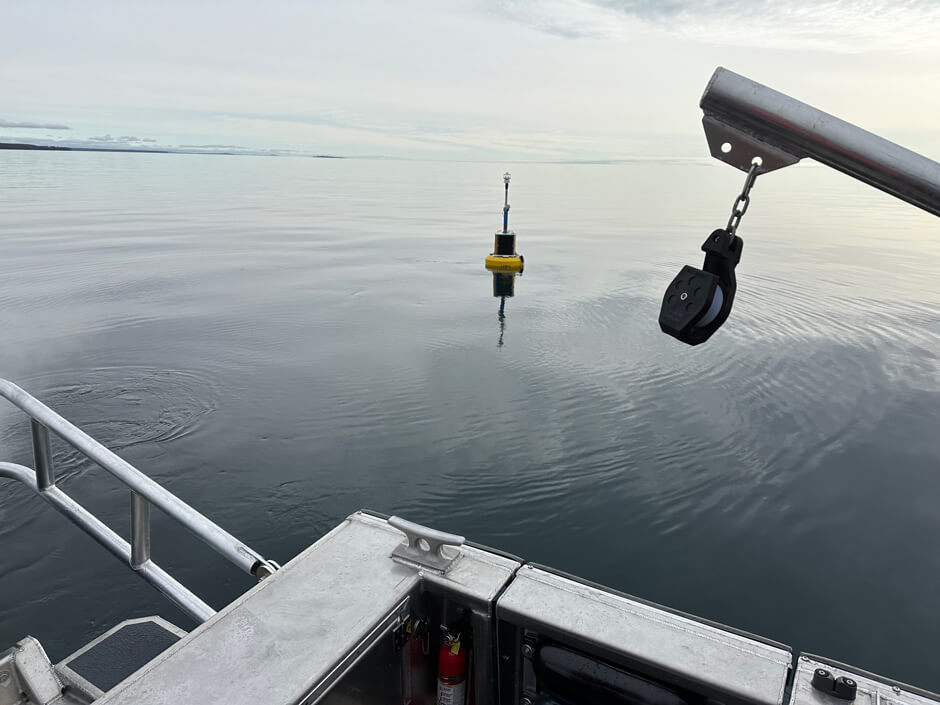
Targeted Monitoring Solutions in the Great Lakes
The Great Lakes are in a state of rapid and continuous change resulting from a host of environmental and anthropogenic stressors. Such circumstances require unique, targeted monitoring solutions to meet environmental demands and continuously document these changes. Hayden Henderson, a research engineer with the Great Lakes Research Center (GLRC), designs such systems, working with research groups like the Great Lakes Observing System (GLOS), NOAA’s Ocean Technology Transition Program, and NOAA’s Ocean Acidification Program, to formulate monitoring solutions and monitor multiple points throughout the Great Lakes region. Challenge: Meeting Unique Environmental Demands and Building Historical Data Sets Any monitoring solution designed for deployment in the Great Lakes needs to meet the environmental demands of the deployment lake and also effectively monitor goal parameters. In this case, there is no one-size-fits-all approach to monitoring, even in cases where the same conditions are being observed.
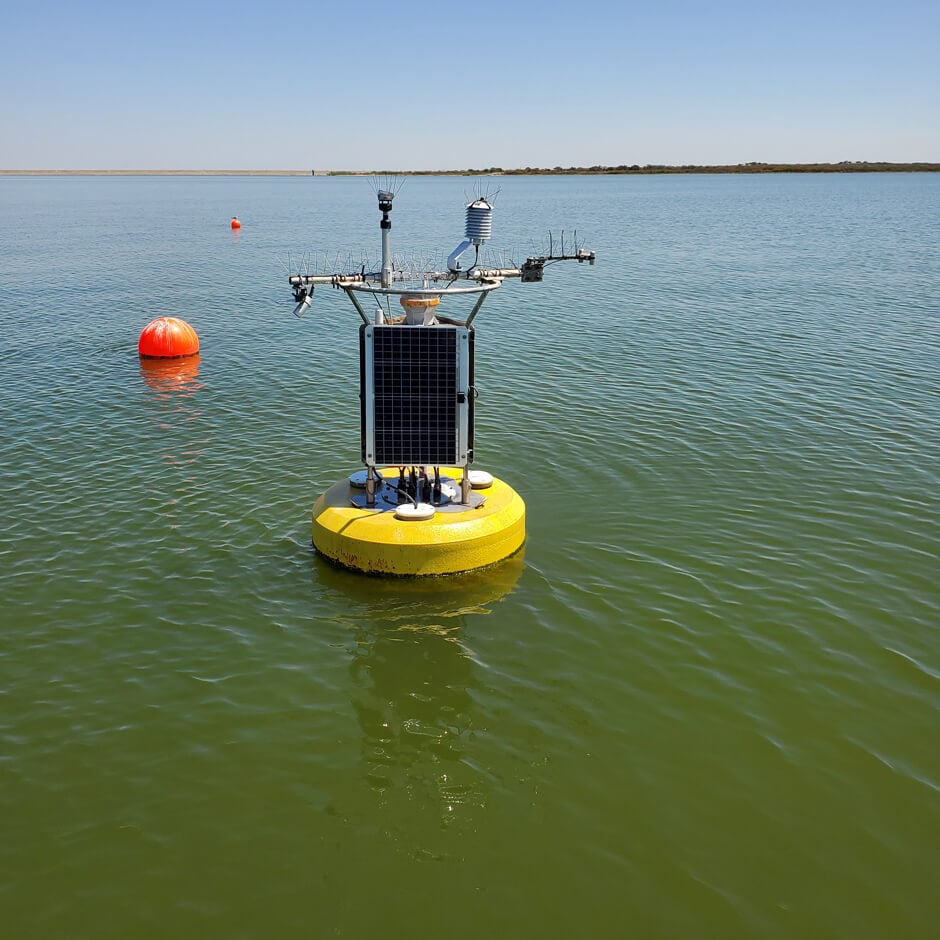
Monitoring Evaporation Rates in Texas Reservoirs
The Texas Water Development Board (TWDB) has been monitoring reservoir evaporation rates for decades. Dating back to the 1960s, the TWDB has derived evaporation rates from a sparse network of Class A evaporation stations and continues to use these systems today—with some critical additions in the form of real-time data buoys on the reservoirs. Challenge: Improving Evaporation Rate Data Accuracy Though located near the reservoirs, the pan data carried with it some uncertainties as the TWDB followed research that emerged in the 1980s and proposed that accurate estimation of reservoir evaporation required measurements be taken on the lake. In 2018, the TWDB tested this theory with an experimental floating eddy that measured the exchange of gases in a closed system and helped the TWDB better understand how climate conditions influence lake resources.

Monitoring Weather, Wave, And Temperature Dynamics in Lake Erie’s Eastern Basin
For over a decade, Buffalo State University’s Great Lakes Center has maintained and operated a real-time monitoring buoy deployed off the coast of Dunkirk, New York, in Lake Erie's eastern basin. Funded by the Great Lakes Observing System (GLOS) and with field support from the NYSDEC Lake Erie Fisheries Research Unit, the buoy provides data to the local population and stakeholders as well as the larger Seagull database. Challenges: Public Data Reliance and Filling in Knowledge Gaps The purpose of the buoy is two-fold: Provide weather and wave data to the public in order to inform recreation and fishing operations. Contribute data to the multi-agency Seagull database. The Great Lakes Center operates one of only a few buoys in the eastern basin.
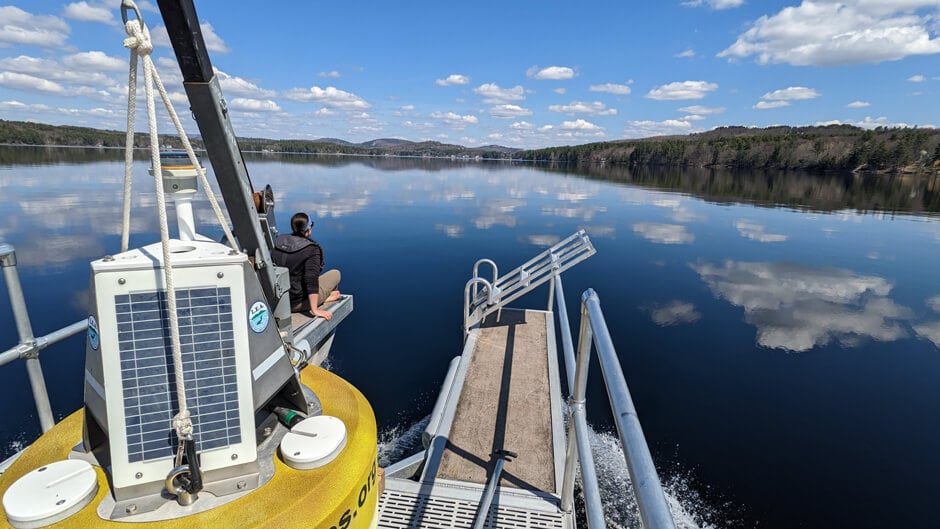
Combining Real-Time Monitoring with Discrete Sampling in Maine
In recent years, freshwater lakes in Maine have become threatened by the changing climate, changes in water quality, increases in harmful algal bloom frequency and severity, and the spread of invasive flora and fauna. In order to protect lake resources, various interest groups have stepped forward to provide data that inform environmental policy and lead initiatives that promote lake health. For more than 50 years, the Lakes Environmental Association (LEA) in Maine has been working locally on lake water quality, watershed protection, conservation, education, invasive species, and other issues. A team of full-time and seasonal LEA staff, including Research Director Dr. Ben Peierls, monitor lake conditions, collect water samples, conduct laboratory analyses, and analyze the data needed to characterize water quality conditions and trends and inform management. Challenge: Managing an Expansive Program in Maine Based in Bridgton, Maine, LEA currently monitors 41 lakes in the surrounding six towns with support from membership contributions and other donations. Local volunteers sometimes assist in conducting spot sampling. Even with the extra help, the region is over 200 square miles, and monitoring every lake can be challenging.