The Texas Water Development Board (TWDB) has been monitoring reservoir evaporation rates for decades. Dating back to the 1960s, the TWDB has derived evaporation rates from a sparse network of Class A evaporation stations and continues to use these systems today—with some critical additions in the form of real-time data buoys on the reservoirs.
 Challenge: Improving Evaporation Rate Data Accuracy
Though located near the reservoirs, the pan data carried with it some uncertainties as the TWDB followed research that emerged in the 1980s and proposed that accurate estimation of reservoir evaporation required measurements be taken on the lake.
In 2018, the TWDB tested this theory with an experimental floating eddy that measured the exchange of gases in a closed system and helped the TWDB better understand how climate conditions influence lake resources.
This project was headed by Andy Weinberg, Team Lead for the Recorder Well Program in the Groundwater Monitoring Department at the TWDB, and Dr. Nelun Fernando, Manager of the TWDB’s Water Availability Program.
The goal of moving towards on-lake evaporation rate monitoring systems was to connect the last 60-plus years of monitoring based on Class A evaporation pan stations and modern technology and strengthen the state’s evaporation monitoring program.
Solution: On-Lake Measurements of Evaporation Rates
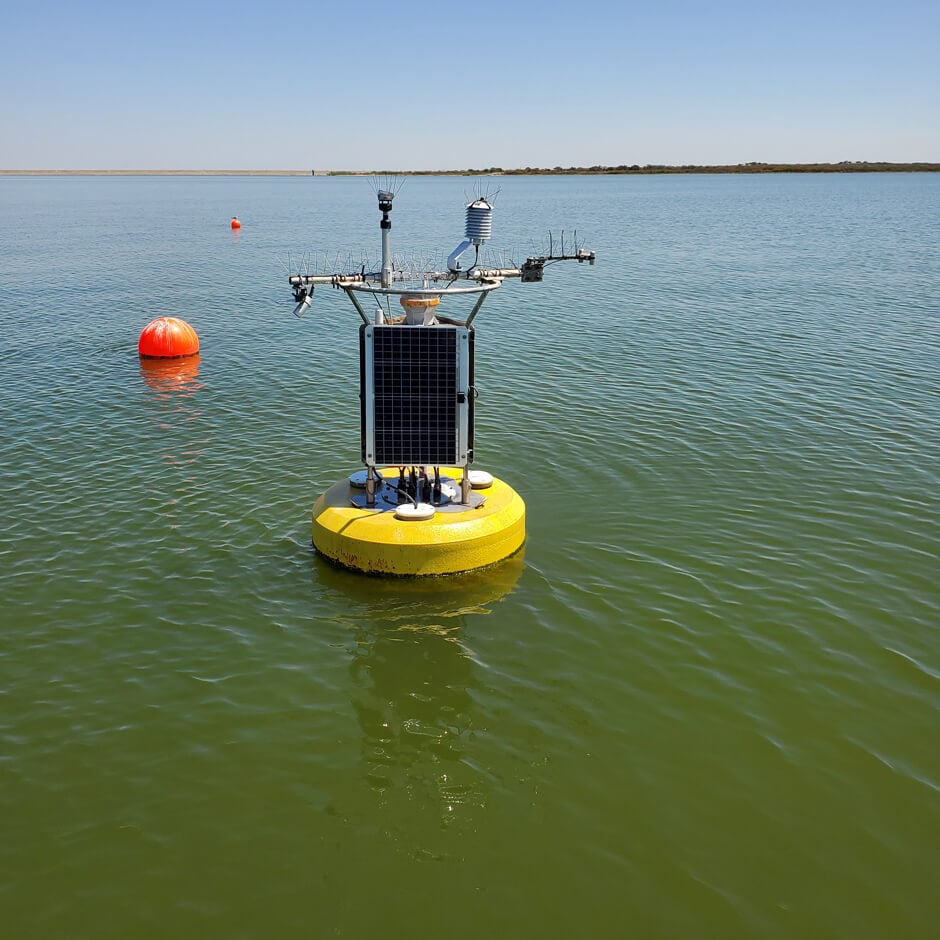
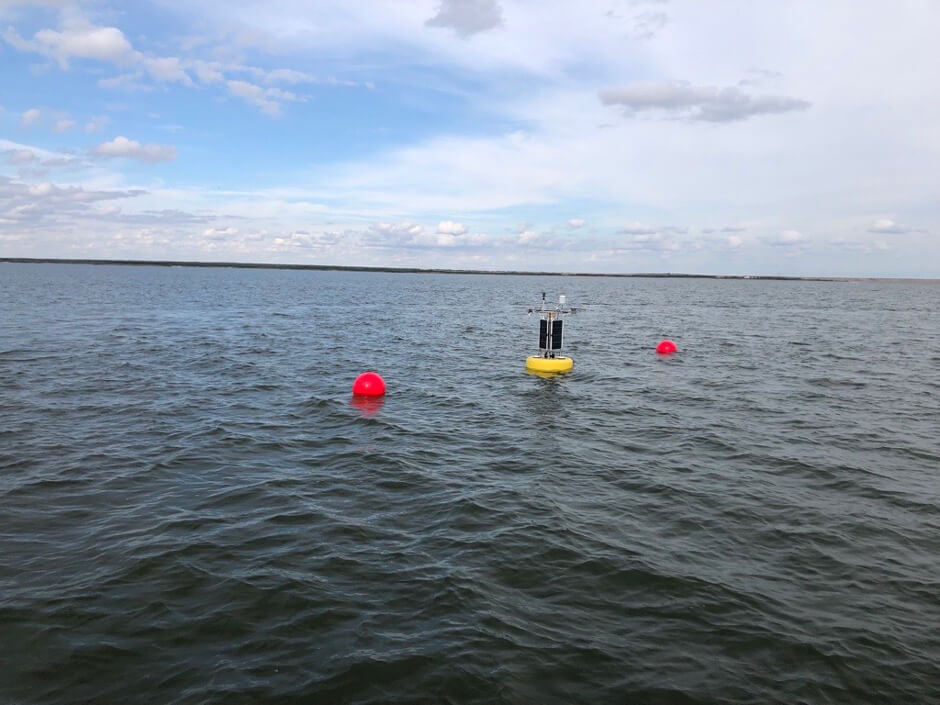
Four NexSens CB-650 buoys were deployed at four reservoirs—Lake Buchanan, Choke Canyon Reservoir, Lake Meredith, and Red Bluff Reservoir—representing varied climatological conditions in Texas. Each system is equipped with meteorological and water temperature sensors that continuously collect data needed to estimate reservoir evaporation.
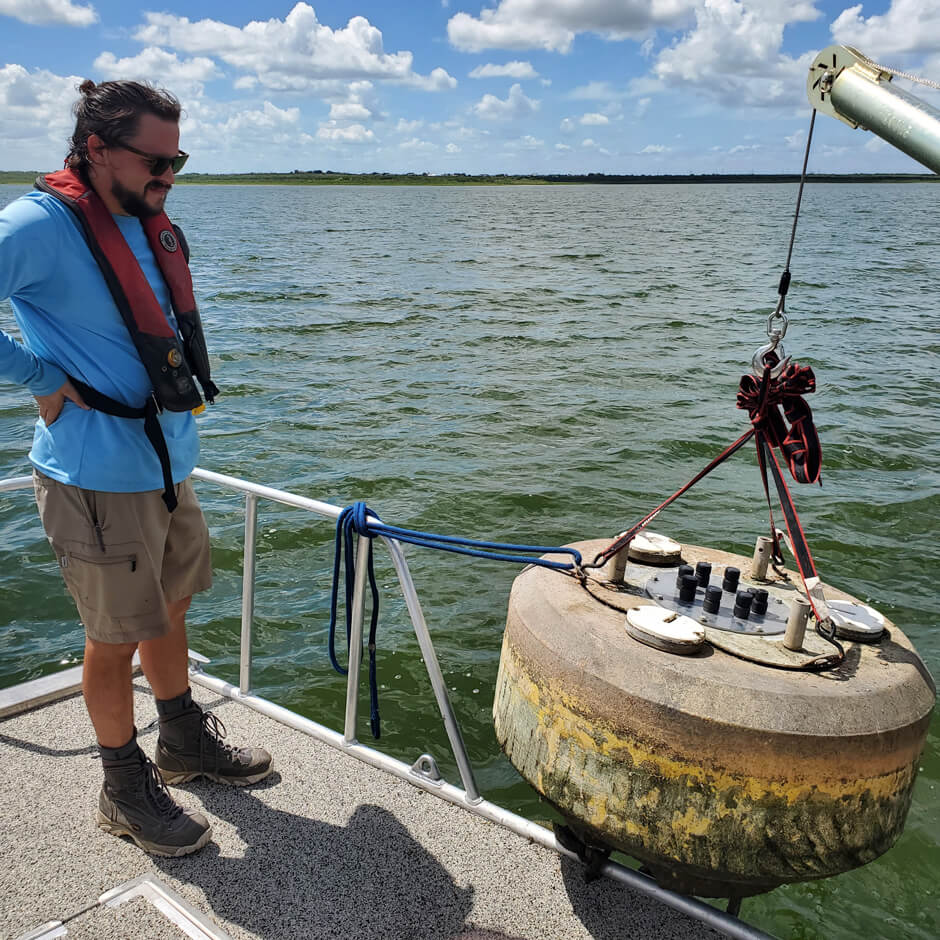 The buoys report meteorological and water temperature data at 5-minute intervals, synching with the TexMesonet network’s data reporting frequency.
In addition to the buoys, the Collison Floating Evaporation Pan system on Twin Buttes Reservoir collects meteorological data and measures evaporative water loss in a pan deployed in the reservoir.
The goal of monitoring on the reservoirs instead of just on the shore is to capture more accurate evaporation data, as differences in micro-meteorological conditions between the lake and shore can impact evaporation rates.
Benefits: Improved Accuracy and Data Use
Fortunately, the buoys have been effective at capturing unique conditions on the lake that impact evaporation rates. For example, sub-daily spikes in evaporation coincided with wind gusts on the lake, something not captured by modeled data and the shore-based pan data.
Wind speeds and dewpoint temperatures measured by the buoys also differed from the land-based pans, reinforcing the need for the lake systems for accurate evaporation rate measurements.
 The data collected by the pans and buoys are used to produce the reservoir evaporation data series input into Texas’s water availability models, which are used to determine water permitting and long-range water planning.
Additionally, the buoy data specifically are being used to calibrate and validate a new modeled, reservoir-specific evaporation data set for Texas (Zhao et al., 2024). These models will be used to update the legacy pan-to-lake coefficients for reservoirs that have both a pan station and a buoy.
The Bottom Line
The addition of evaporation rate monitoring buoys has helped further refine evaporation rate research in Texas. The buoy measurements add to decades of evaporation data and improve resource management at both the short- and long-term scale.
Resources
Zhao, B., Huntington, J., Pearson, C., Zhao, G., Ott, T., Zhu, J., Weinberg, A., Holman, K. D., Zhang, S., Anderson, R., Strickler, M., Cotter, J., Fernando, N., Nowak, K., & Gao, H. (2024). Developing a General Daily Lake Evaporation Model and Demonstrating Its Application in the State of Texas. Water Resources Research, 60(3), e2023WR036181. https://doi.org/10.1029/2023WR036181
Video Case Study
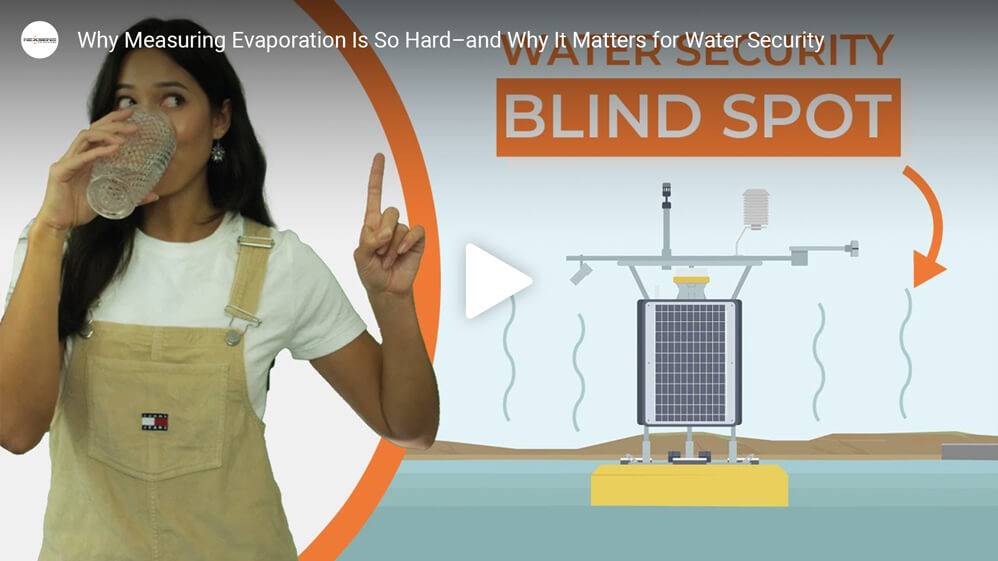
Equipment
The NexSens CB-650 Data Buoy is designed for deployment in lakes, rivers, coastal waters, harbors, estuaries and other freshwater or marine environments. 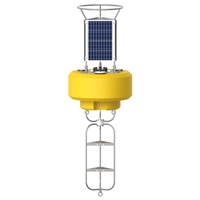
The CB-CCA cage anti-rotation collar securely connects an instrument cage to the frame of a CB-Series data buoy system and prevents rotation or loosening of the cage. 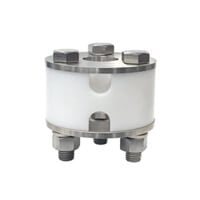
The instrument cage attaches to the bottom of CB-Series buoys for water sensor deployments.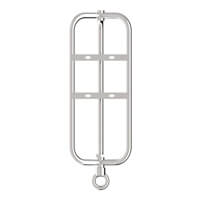
NexSens red mooring & marker buoys are ideal for building 2-point data buoy moorings or marking subsurface instruments. 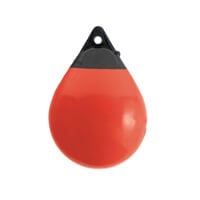
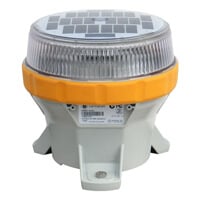
NexSens M650H solar marine lights are designed for mounting to the larger CB-Series data buoys per USCG requirements.