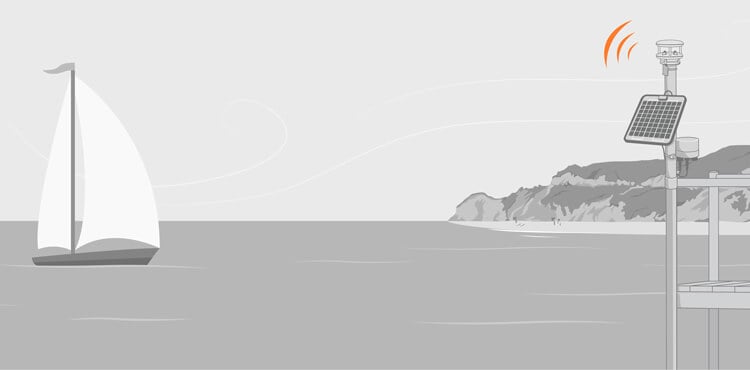
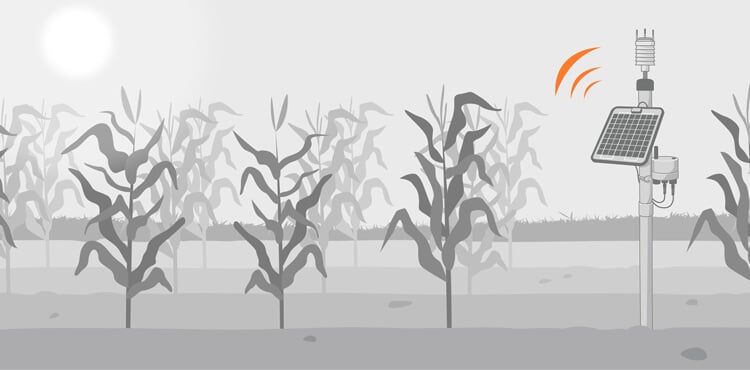
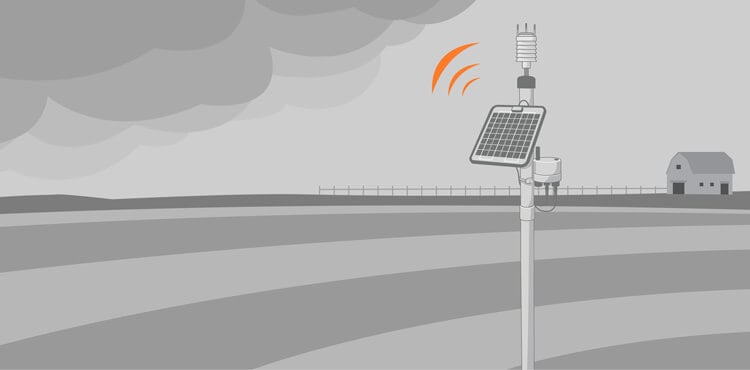
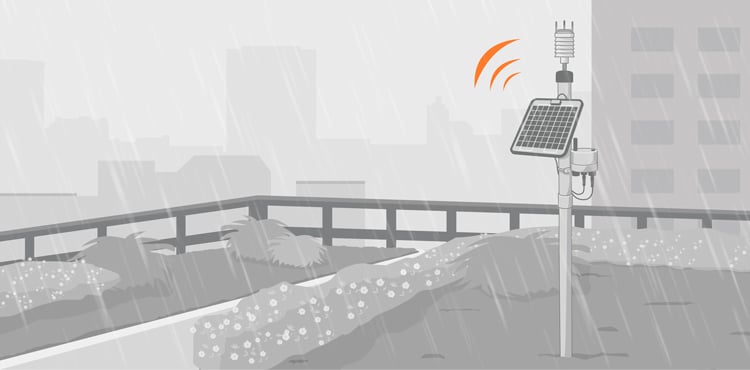
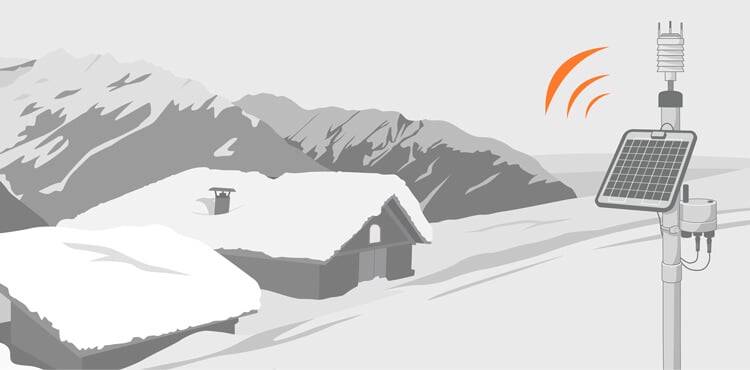
The Gill MaxiMet Compact Weather Stations simultaneously measure a combination of air temperature, wind speed and direction, humidity, pressure, precipitation, solar radiation, and many other weather parameters. It is compatible with NexSens X-Series data loggers using the SDI-12 sensor interface. Sensor Setup Follow the manufacturer’s guidelines to set up the sensor for SDI-12. Be sure […]
Read More →
Vaisala WXT-Series Weather Sensors provide up to six of the most important weather parameters, including air pressure, temperature, humidity, rainfall, wind speed, and direction. The weather sensors are compatible with NexSens X-Series data loggers using the SDI-12 sensor interface and communication protocol. Sensor Setup First, follow the manufacturer’s guidelines to complete sensor setup. Be sure […]
Read More →
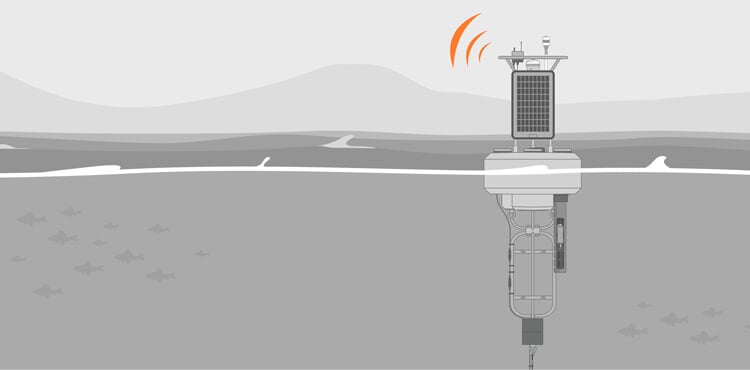
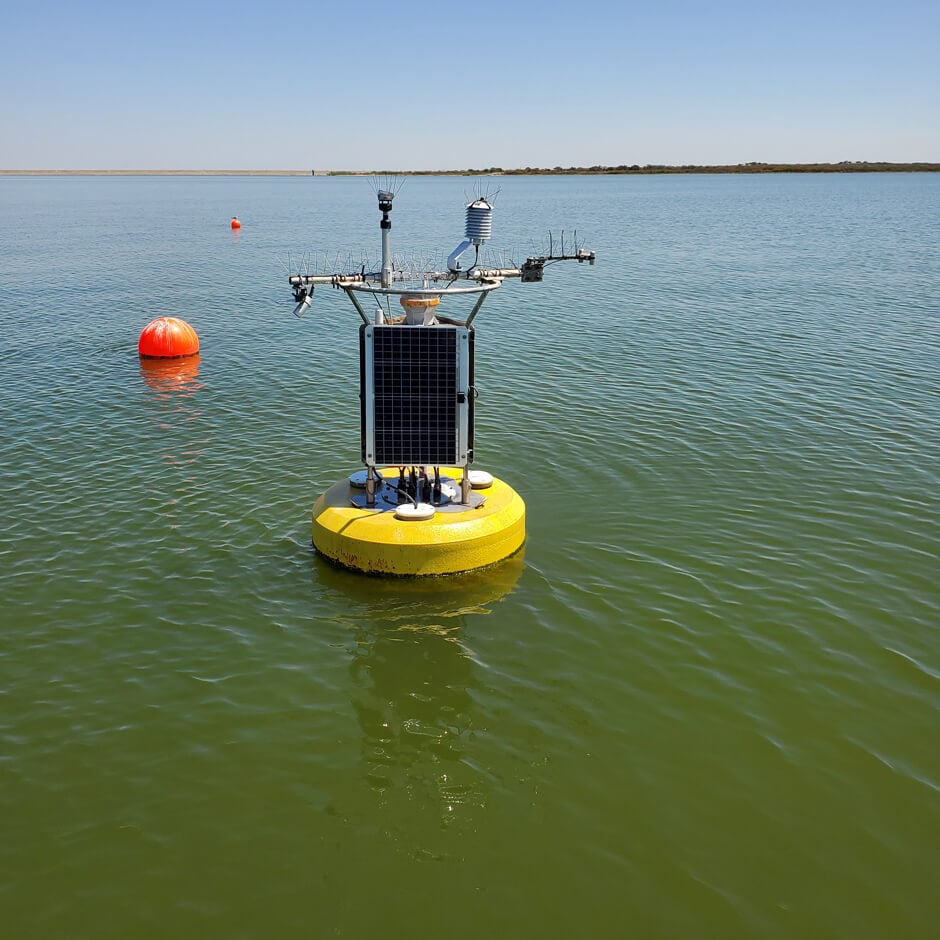
Open water buoys, also referred to as data buoys, provide a stable, floating platform for deploying environmental monitoring instruments in lakes, rivers, reservoirs, estuaries, bays, and coastal or ocean waters. These systems are essential for collecting real-time data in locations that may be difficult or dangerous to access using traditional methods. Buoys can support a […]
Read More →
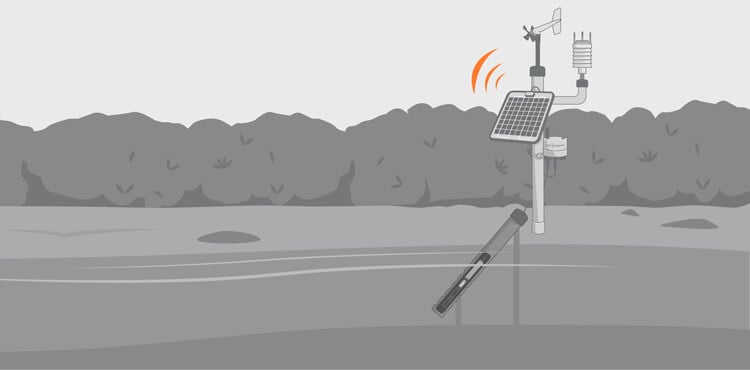
Multi-parameter monitoring platforms enable comprehensive environmental data collection by integrating multiple sensors into a single system. These platforms measure a variety of parameters in water, soil, and air. A multi-parameter platform might include, for example, a weather station and water quality sensors for an environmental study on the effect of local weather conditions on a […]
Read More →
Wind refers to the horizontal movement of air caused by differences in atmospheric pressure. It plays a crucial role in shaping weather patterns, driving ocean currents, and influencing temperature and precipitation around the globe. Understanding wind patterns and their strength is fundamental for meteorology, environmental monitoring, and applications such as aviation and renewable energy. Wind […]
Read More →
Solar radiation is the electromagnetic energy from the sun that reaches the Earth. It is a fundamental component of the Earth’s climate system and is critical for various environmental and meteorological studies. The amount of solar radiation reaching the Earth’s surface depends on various factors such as the angle of the sun, atmospheric conditions, and […]
Read More →
Relative humidity is a measure of the moisture content of air relative to the maximum amount of moisture the air can hold at a given temperature. It is expressed as a percentage, where 100% relative humidity indicates that the air is fully saturated with moisture and cannot hold any more at its current temperature and […]
Read More →
Precipitation refers to any form of water–liquid or solid–that falls from the atmosphere and reaches the ground. Rain, snow, sleet, freezing rain, graupel, hail, and drizzle are all various forms of precipitation, depending on droplet size and temperature conditions. Fog and dew are not considered precipitation because they are condensation processes rather than falling water. […]
Read More →
Barometric pressure, also known as atmospheric pressure, refers to the pressure exerted by the air layers that make up the Earth’s atmosphere. Heavy, dense pockets of air result in relatively higher pressure, while the rising of warm, surface-level air causes lower pressure. Atmospheric pressure affects the weather as high and low-pressure systems move around the […]
Read More →