
CB-450 Data Buoy
Features
Versatile
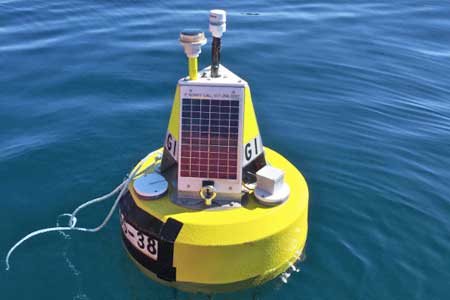
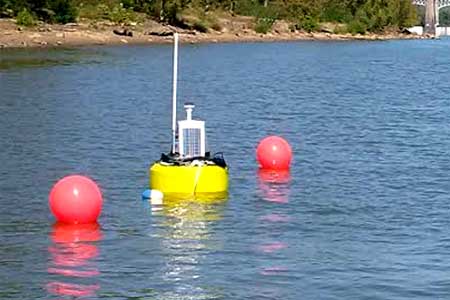
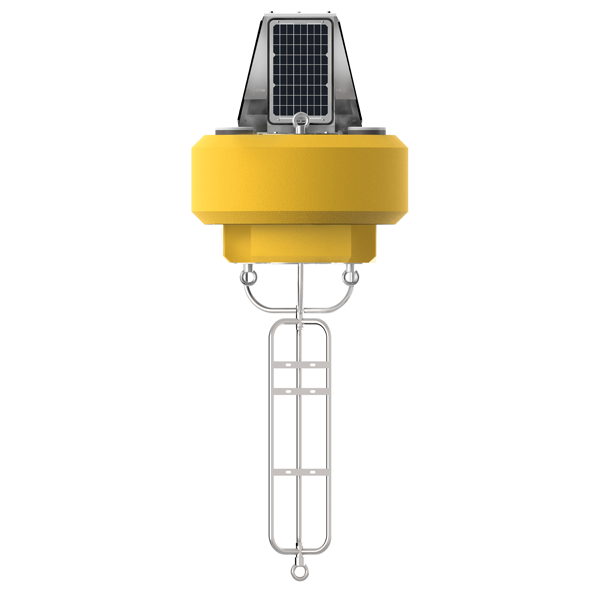
The CB-450 is light enough to be deployed from most small boats, yet it offers adequate power and charging for rigorous instrument sampling and data transmission.
Versatile
The CB-450 is light enough to be deployed from most small boats, yet it offers adequate power and charging for rigorous instrument sampling and data transmission.
Self-Powered
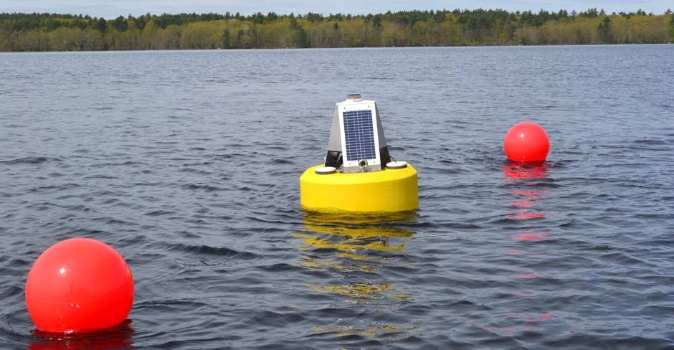
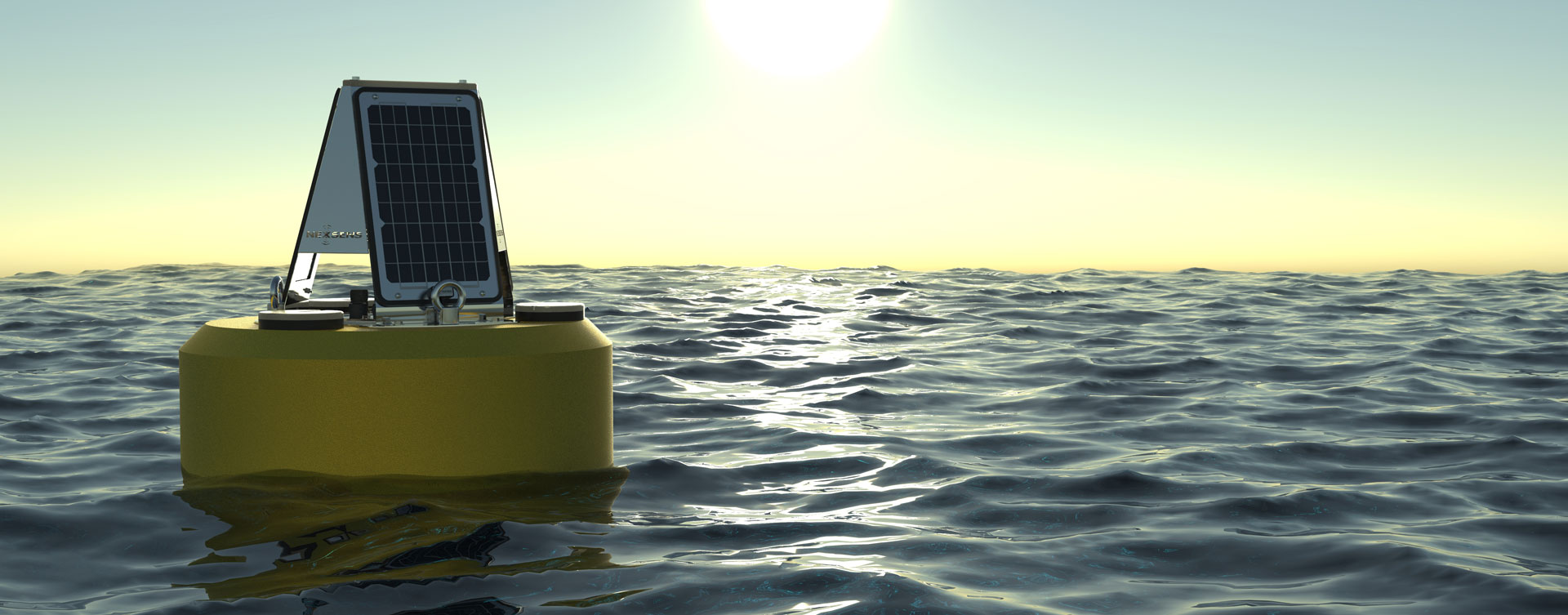
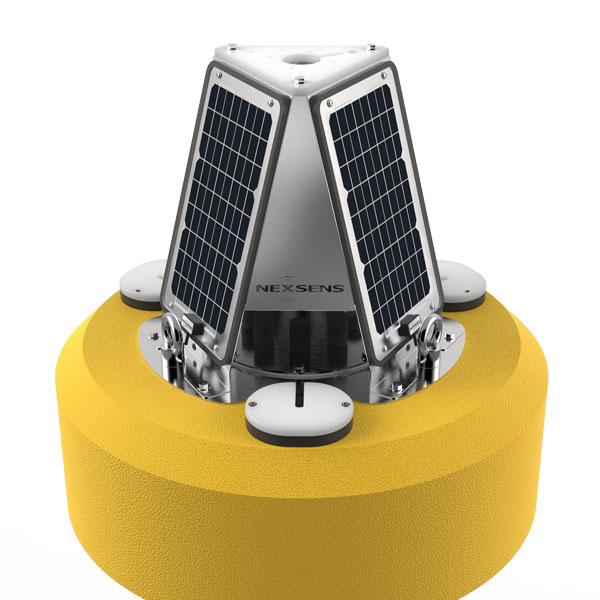
Three integrated 15-watt solar panels are angled and evenly spaced around the buoy to capture sunlight from any direction and provide adequate battery charging.
Self-Powered
Three integrated 15-watt solar panels are angled and evenly spaced around the buoy to capture sunlight from any direction and provide adequate battery charging.
Data Well
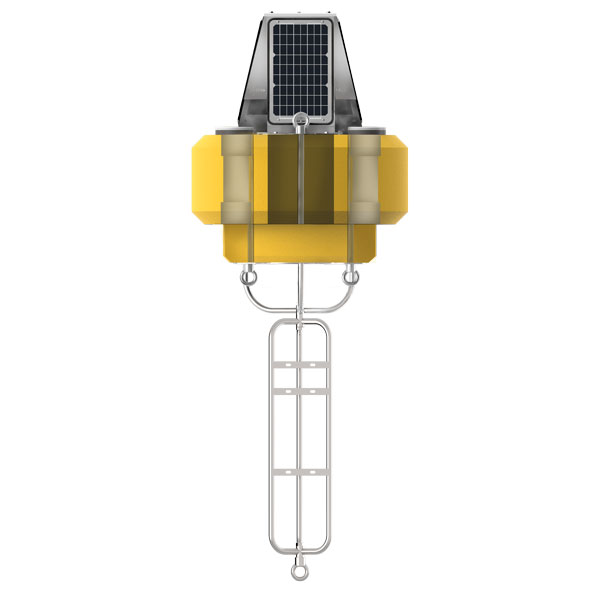
A 10-inch diameter by 19.5-inch tall data well provides a watertight housing for batteries, data loggers, sensors, and other hardware.
Data Well
A 10-inch diameter by 19.5-inch tall data well provides a watertight housing for batteries, data loggers, sensors, and other hardware.
Connections
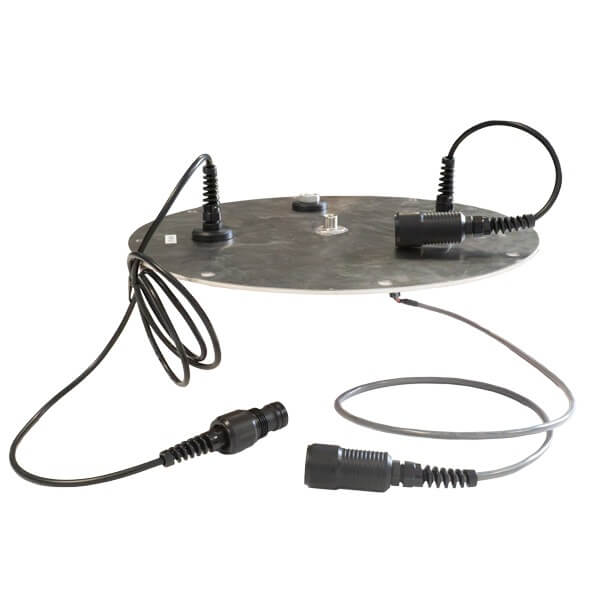
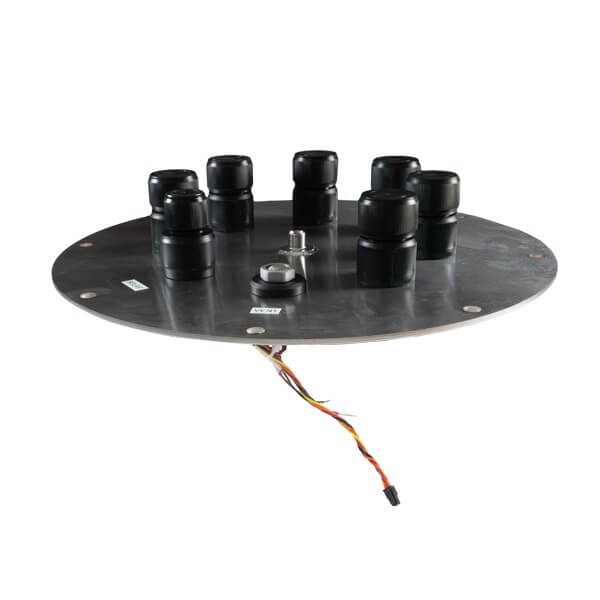
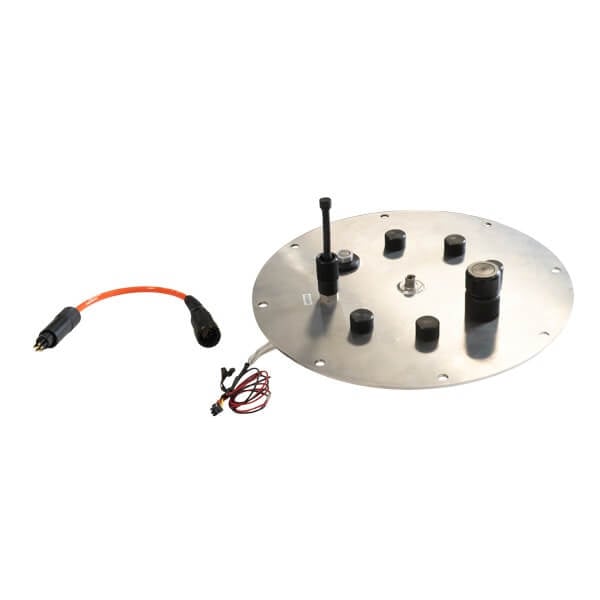
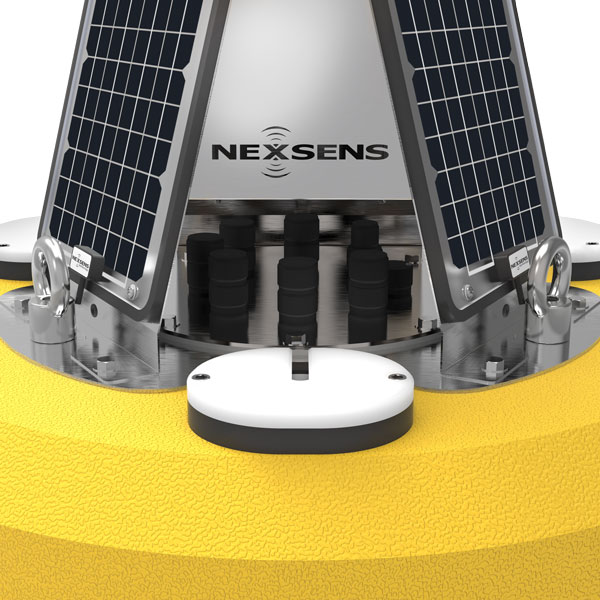
The data well lid provides pass-through connections for sensors, power, venting, and more. When integrated with the optional NexSens X3 data logger, the system is truly plug-and-play.
Connections
The data well lid provides pass-through connections for sensors, power, venting, and more. When integrated with the optional NexSens X3 data logger, the system is truly plug-and-play.
Pass-Through Ports
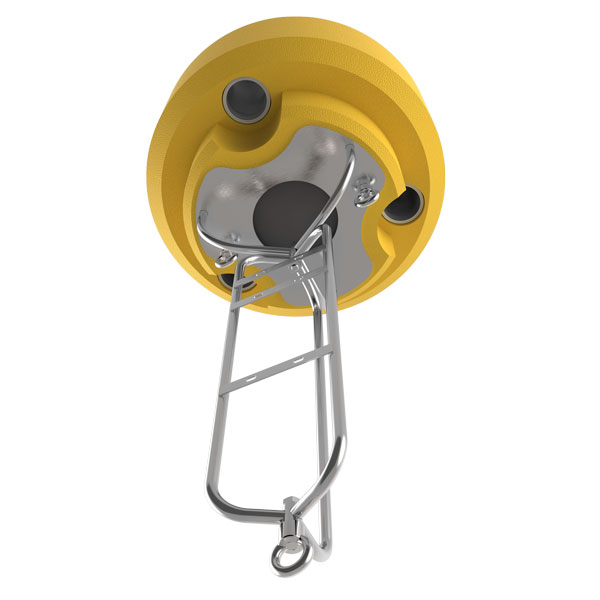
Three 4-inch pass-through ports allow for sensors to be mounted underwater while securely routing the cable. Instrument deployment pipes and custom sensor mounts attach to 4-inch NPT bottom threads.
Pass-Through Ports
Three 4-inch pass-through ports allow for sensors to be mounted underwater while securely routing the cable. Instrument deployment pipes and custom sensor mounts attach to 4-inch NPT bottom threads.
Solar Beacon
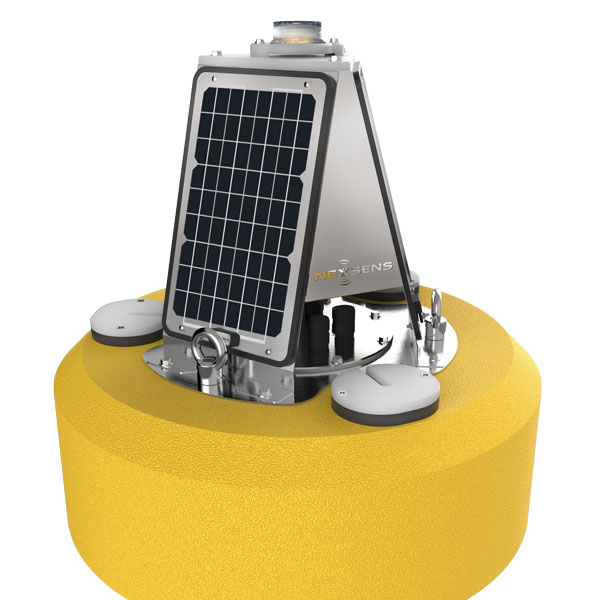
The optional solar marine light has a one to three nautical mile range and securely mounts to the buoy top plate for maximum visibility.
Solar Beacon
The optional solar marine light has a one to three nautical mile range and securely mounts to the buoy top plate for maximum visibility.
Data Logging
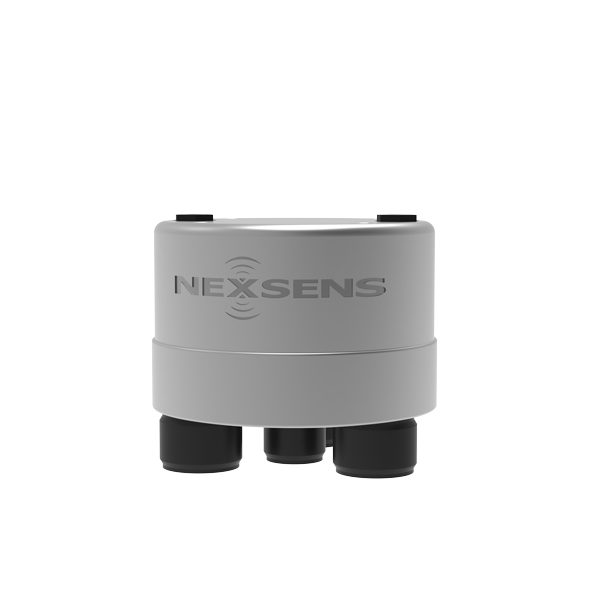
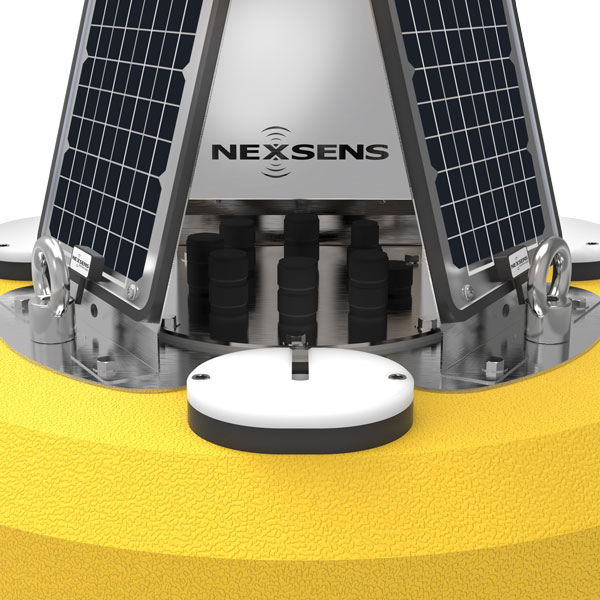
The X3 data logger is easily integrated for turnkey systems. Alternatively, 3rd party data loggers can be integrated by the user inside the data well.
Data Logging
The X3 data logger is easily integrated for turnkey systems. Alternatively, 3rd party data loggers can be integrated by the user inside the data well.
Wireless Communications
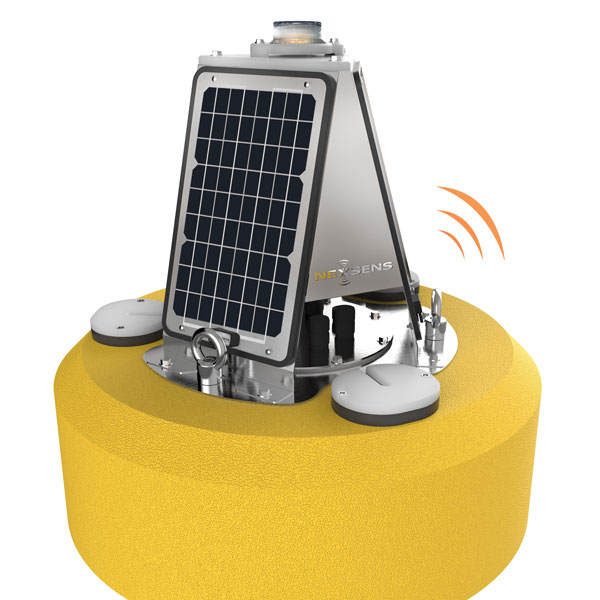
Communication options using the X3 data logger include Wi-Fi, cellular, and Iridium satellite.
Wireless Communications
Communication options using the X3 data logger include Wi-Fi, cellular, and Iridium satellite.
Built to Last
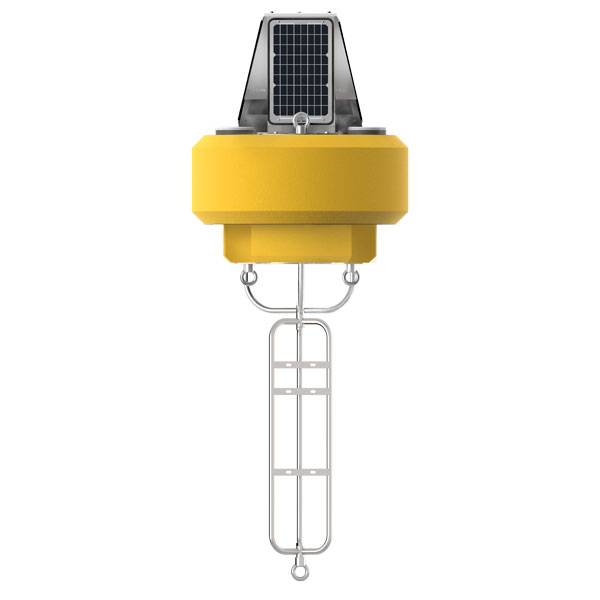
Constructed of cross-linked polyethylene foam with a heavy polymer skin and an indestructible stainless steel frame, the CB-450 is designed for years of service.
Built to Last
Constructed of cross-linked polyethylene foam with a heavy polymer skin and an indestructible stainless steel frame, the CB-450 is designed for years of service.
Documents


Related Videos

Is this water safe? Maine’s lakes are getting a health check | NexSens Case Study

How to Assemble a NexSens CB-450 Data Buoy | Getting Started

Storm Chasing on Lake Champlain: How Scientists Monitor Water | NexSens Case Study

Purchase in the USA
Visit our US distributor, Fondriest Environmental, to purchase online.

Purchase Internationally
Click the button below to find a local distributor.
Contact a NexSens Applications Scientist
Need help designing an Environmental IoT system? NexSens applications scientists will help you design the perfect monitoring system to meet field conditions and monitoring needs.
Tech Specs
Hull Height: 20.0” (50.8cm)
Data Well Inner Diameter: 10.3” (26.2cm)
Data Well Height: 19.5" (49.5cm)
Pass-Through Hole Diameter: 4.0" (10.2cm)
Tower Height: 20.0” (50.80cm)
Solar Panels: 3x 15-watts
Weight: 124 lb (56kg)
Net Buoyancy: 368 lb (167kg)
Hull Material: Cross-linked polyethylene foam with polyurea coating & stainless steel deck
Hardware Material: 316 stainless steel
Mooring Attachments: 3x 3/4” eyenuts

Q&A

Systems
Learn more about environmental system and equipment applications on the NexSens System database.