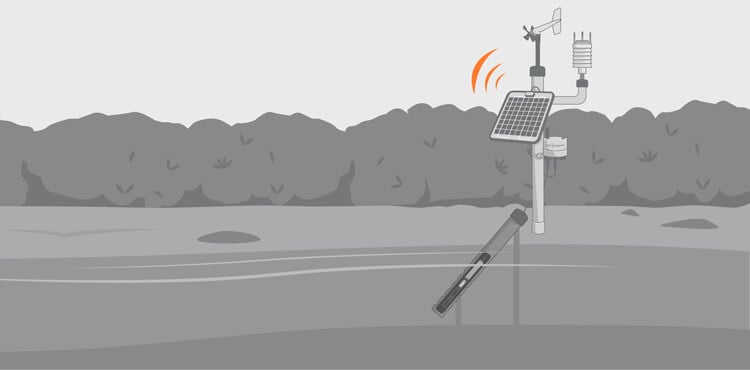
Multi-parameter monitoring platforms enable comprehensive environmental data collection by integrating multiple sensors into a single system. These platforms measure a variety of parameters in water, soil, and air. A multi-parameter platform might include, for example, a weather station and water quality sensors for an environmental study on the effect of local weather conditions on a […]
Read More →
Turbidity is the state of relative clarity or cloudiness of water. Many factors can contribute to increased turbidity. The most obvious are suspended sediments consisting of various sand, silt, clay and gravel particles. These may be introduced by soil erosion, urban runoff, bottom-dwelling aquatic creatures that stir up settled sediments, or human activities such as […]
Read More →
The Sequoia LISST-ABS Acoustic Sediment Sensor is designed specifically for measuring suspended sediment concentrations at a single point. The LISST-ABS is compatible with NexSens X-Series data loggers using the SDI-12 communication protocol and sensor interface. A pre-defined script on X-Series data loggers is able to detect, log, and transmit all parameters from the sensor. Parameter […]
Read More →
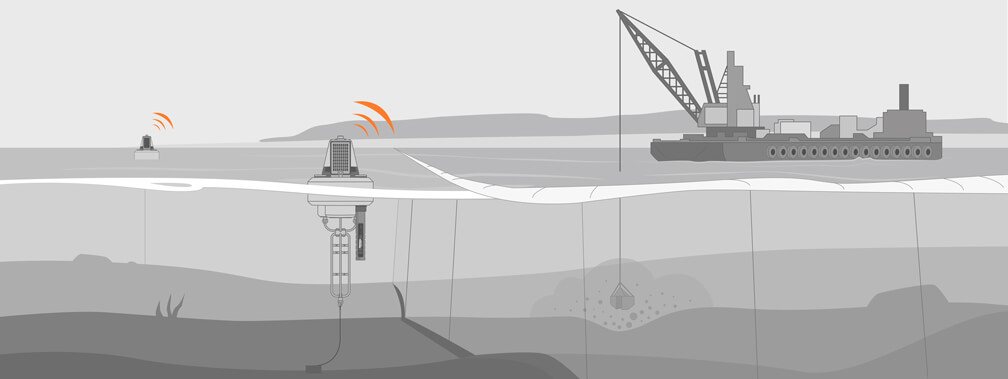
Dredging done correctly doesn’t hurt water quality, and can yield positive environmental results. However, ensuring these good results demands monitoring for contaminant release, sediment resuspension, and other water quality issues.
Read More →
Data collection is an important part of the monitoring process for dredge projects because accurate data ensures compliance with regulations.
Read More →
Understanding water quality parameters is an essential part of protecting environmental health. Poor water quality affects the entire ecosystem.
Read More →
Water quality sensors allow managers to monitor for algae, phytoplankton, and chlorophyll and many others, we discuss the options available for water monitoring projects.
Read More →
Planning/choosing the right instruments and processes for turbidity measurement can be a challenge. NexSens explores some of the best choices available in the context of experience and highlights the basic requirements for a successful system.
Read More →
For regulatory or other needs, turbidity monitoring is and important aspect of any dredging project. Dredging affects water clarity and quality and should be monitored in real time to aid with remediation efforts associated with elevated turbidty.
Read More →
Battelle
New Bedford Harbor is fed by the Acushnet River from the north and drains into the Atlantic Ocean to the south. Its steady flow is one of the reasons so many industrial plants set up shop along the harbor in the early 1900s.
Read More →