
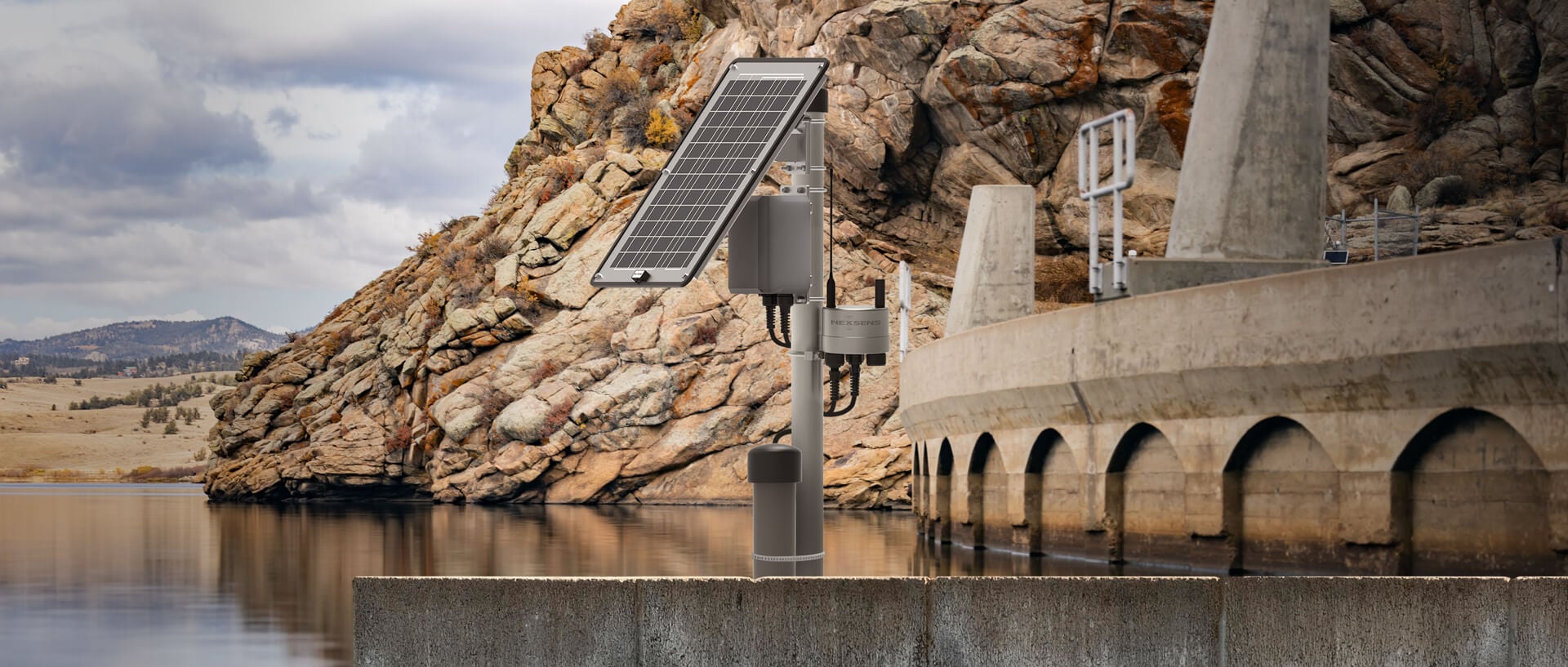
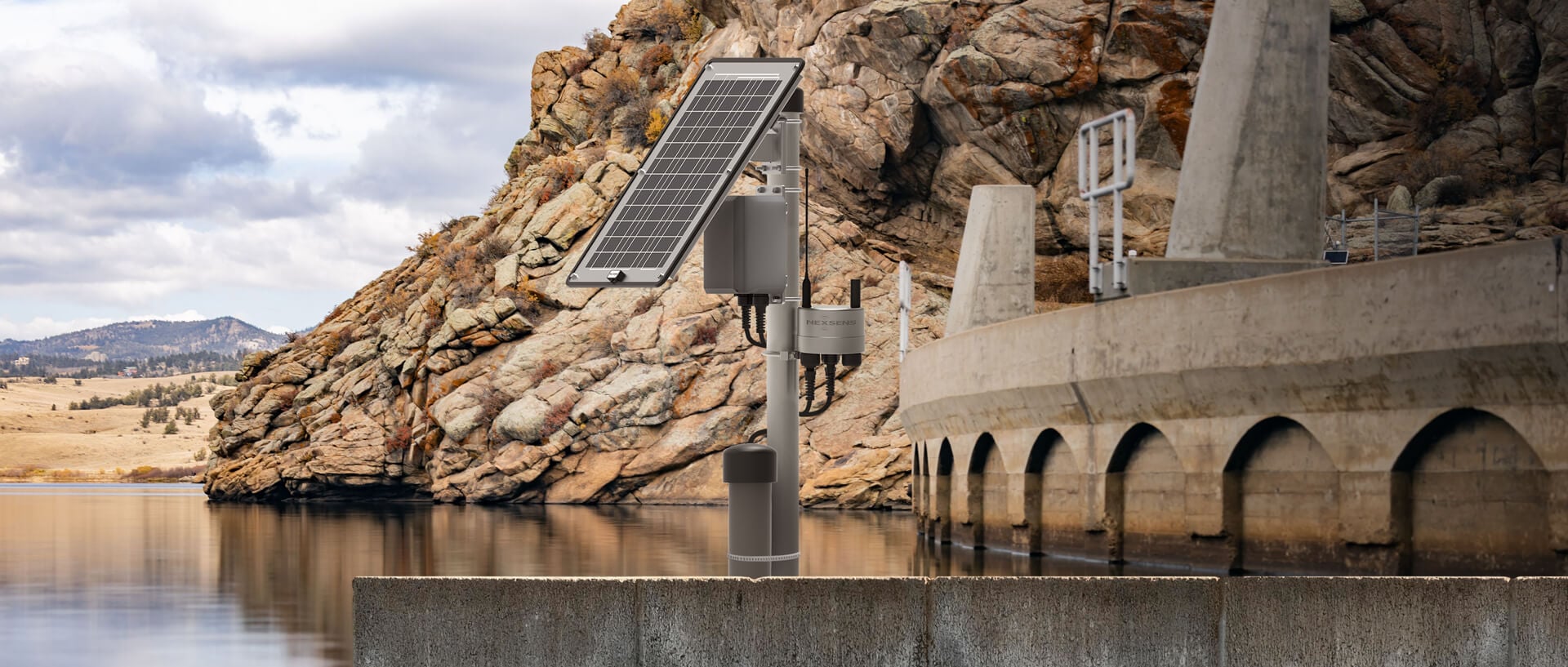

Recommended Dissolved Oxygen Monitoring System
Effective DO monitoring provides real-time DO measurement data with alarms to notify for abnormalities. Typical systems include multiple sensor placements upstream, at the intake, tailrace, and downstream for background, comparative, and redundant measurements.
Data Logger
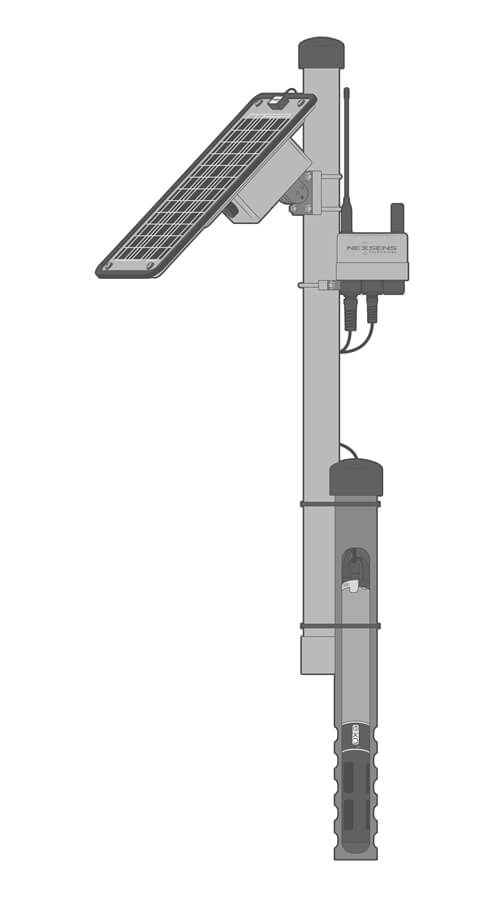
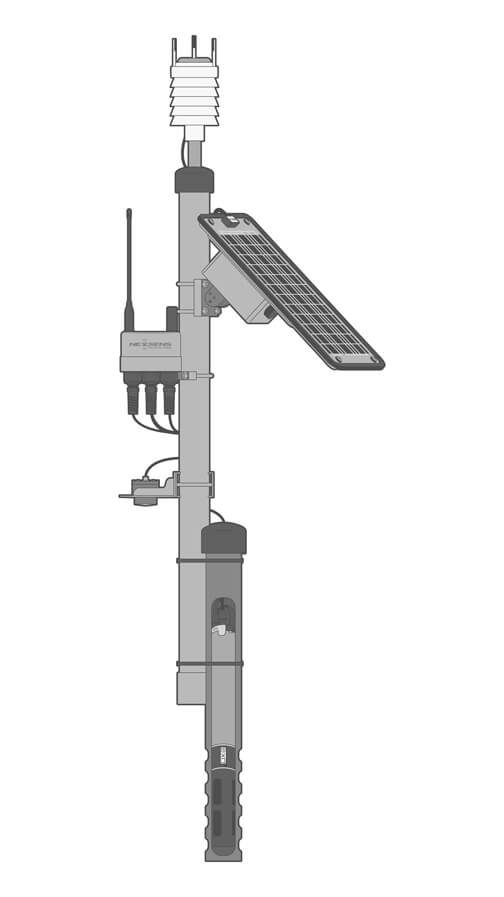
The X3 data logger provides reliable performance with a robust enclosure that easily mounts to dam structures and waterproof, pluggable sensor connections. Wireless telemetry capabilities provide remote, real-time data access.
Dissolved Oxygen Sensors
The X3 data logger supports a broad range of industry-standard dissolved oxygen sensor types, including YSI EXO Multi-Parameter Water Quality Sondes, ODO RTU Optical Dissolved Oxygen Sensors, and many more.
Power
System power is supplied by a fixed power supply where available or using solar-charged SP-series power packs. Solar panels are sized for continuous operation based on sensor load and regional sunlight conditions with battery backup for reliability in adverse weather.
Need More?
NexSens offers robust solutions for nearly any long-term DO monitoring application, including those requiring additional measurement parameters. Customized plug-and-play systems support sensors for many different measurement types.
Multi-Parameter Instruments
Multi-parameter sondes commonly supplement DO with additional water quality sensors like conductivity, pH, turbidity, and algae. The X3 supports sondes from leading manufacturers, including YSI, In-Situ, Solinst Eureka, Proteus, Sea-Bird Scientific, and Seametrics.
Additional Sensors
For even more comprehensive monitoring, systems can be augmented with many other sensor types. Rain gauges and multi-parameter weather stations track meteorological conditions and allow for identification of correlations between weather and DO.
Water level in reservoirs and rivers can be measured by water quality sondes with an integrated depth sensor or by a dedicated sensor. Non-contact radar instruments such as the Geolux LX-80 series level sensors provide high accuracy with minimal maintenance.
In streams and rivers downstream of hydropower dams, flow rates can be estimated from water level measurement using a stage-discharge relationship. For more advanced profiling of flow conditions, side-looking ADCP instruments are also supported.
For cases where oversaturation is a concern to local aquatic life, conditions can be closely monitored using total dissolved gas (TDG) sensors integrated into the monitoring system.
Buoy-based Monitoring
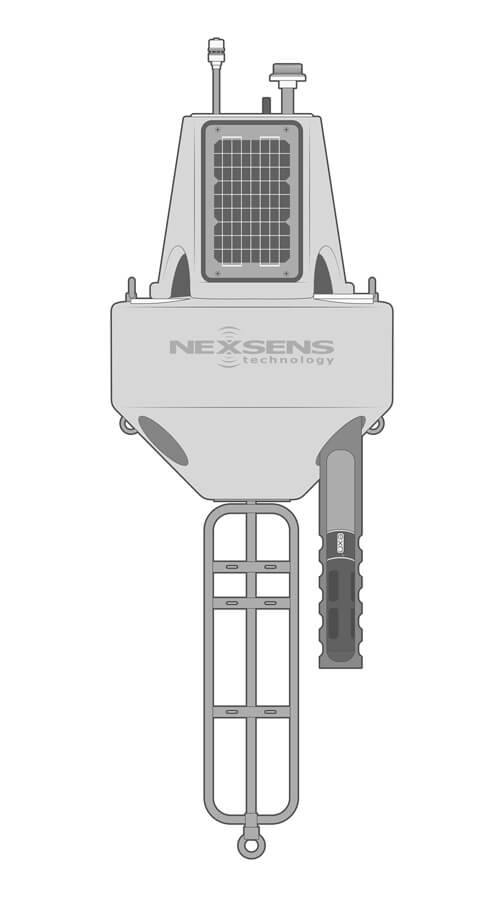
In upstream reservoirs and larger downstream rivers, placing sensors on a floating buoy platform rather than dam or powerhouse structures may be advantageous. For such cases, buoy platforms are available in a variety of different sizes and power capacities.
Buoys support the same X3 data logging electronics and sensor types for DO, weather, and water quality measurements. Individual DO sensors are fixed to the buoy, or sensor strings may be suspended from the buoy for multi-depth temperature and oxygen profiling.
Deployment
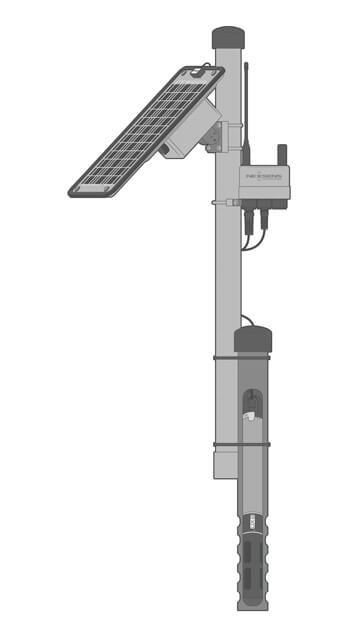
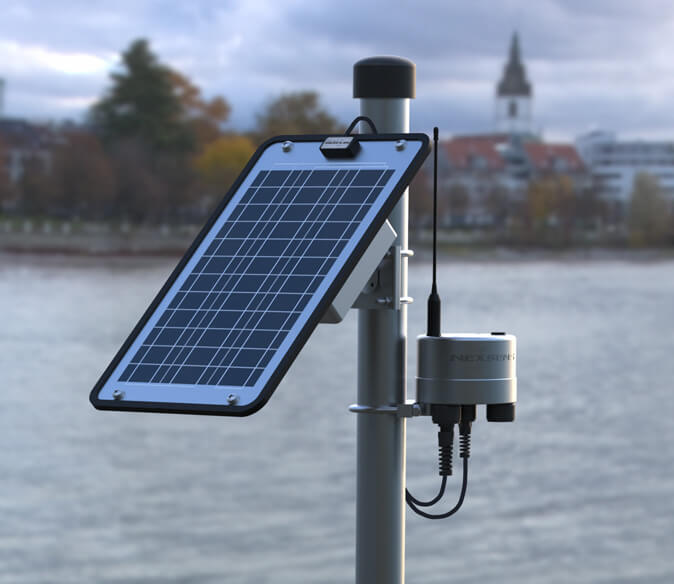
X3 logger mounting using the PM2 Mounting Kit allows for flexible placement on the approach channel, intake, powerhouse, or tailrace of dams or along natural features. Masts are commonly used for mounting together with an SP-series solar power pack.
A deployment pipe mounted along the structure to the desired depth can be used to secure DO sensors. Perforations allow flow through to the sensor for accurate measurement, while the sensor can be easily raised out of the pipe for maintenance.
For buoy deployments, single-point moorings work well with buoy-mounted sensor configurations, while two-point moorings are preferred for suspended sensor strings in locations such as reservoirs.
Real-Time Dissolved Oxygen Data
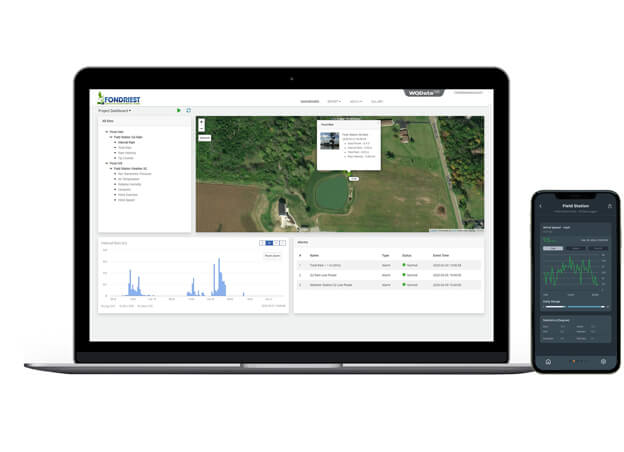
Wireless telemetry delivers dissolved oxygen data in near real-time to the WQData LIVE web datacenter for continuous hydropower or water quality monitoring applications.
Free service at the Basic tier allows users to view, manage, and download data, set high/low Quick Alert messages for notification of exceedances, and remotely configure logger settings such as log and transmit intervals.
Subscription-based WQData LIVE tiers offer advanced alarm and data sharing features, including automated export, API, or access via Public Portal.

Purchase in the USA
Visit our US distributor, Fondriest Environmental, to purchase online.

Purchase Internationally
Click the button below to find a local distributor.
Contact a NexSens Applications Scientist
Need help designing an Environmental IoT system? NexSens applications scientists will help you design the perfect monitoring system to meet field conditions and monitoring needs.
Related Videos


Case Studies
Measuring Cyanobacteria Toxins in the Great Lakes
Harmful algal bloom (HAB) monitoring has become a popular topic of research in limnology. While most monitoring efforts center on chlorophyll measurement, the real impacts of HABs are connected to the toxins produced by cyanobacterial blooms, which can be challenging to measure. Due to their impact on human health, establishing models that allow for the prediction of toxin concentrations is important to public safety. Todd Miller, an affiliate and associate professor at the University of Wisconsin-Milwaukee and principal investor at the Laboratory for Aquatic Microbiology and Chemistry, is currently working toward a solution that allows for automated HAB toxin measurement out on the water. Challenge: Measuring HAB Toxins in the Field
Narragansett Bay Fixed Station Monitoring Network
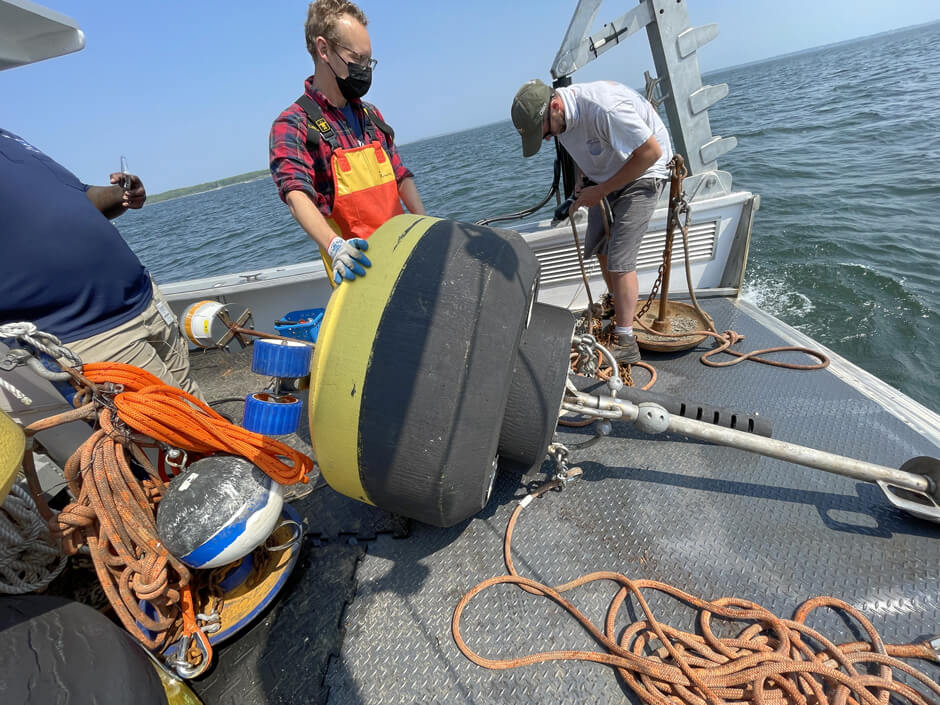
Water quality monitoring in estuaries prior to the 1990s was labor-intensive and sporadic, as samples had to be collected and brought back to the laboratory to be analyzed using lengthy procedures with specialized equipment and reagents. During the late 1990s, new innovations in automated water quality sensors made it possible to take measurements directly in the field, greatly reducing travel time, labor, and laboratory waste. This allowed researchers and managers to monitor water quality with more regularity and expand their sampling range. Around the same time, in response to concerns over fish kill and low oxygen observations in Narragansett Bay Rhode Island, a group of researchers and volunteers called the “Insomniacs” led by Dr. Chris Deacutis (Rhode Island Department of Environmental Management (RIDEM), retired) and Dr. Warren Prell (Brown University Emeritus) began conducting night time spatial surveys to document these low oxygen events, hence the name “Insomniacs”.
Targeted Monitoring Solutions in the Great Lakes
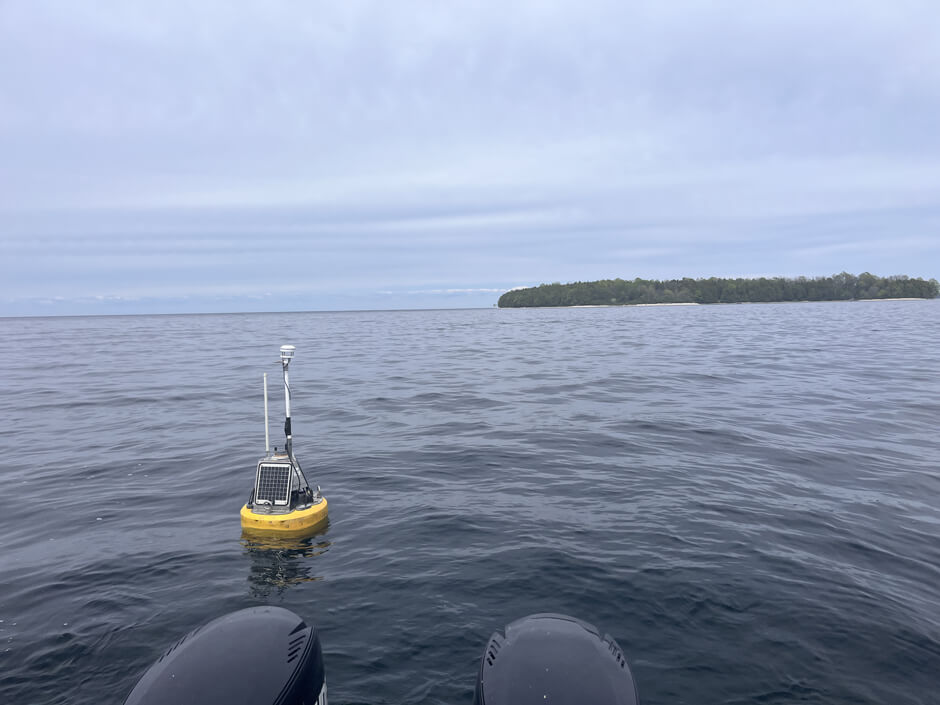
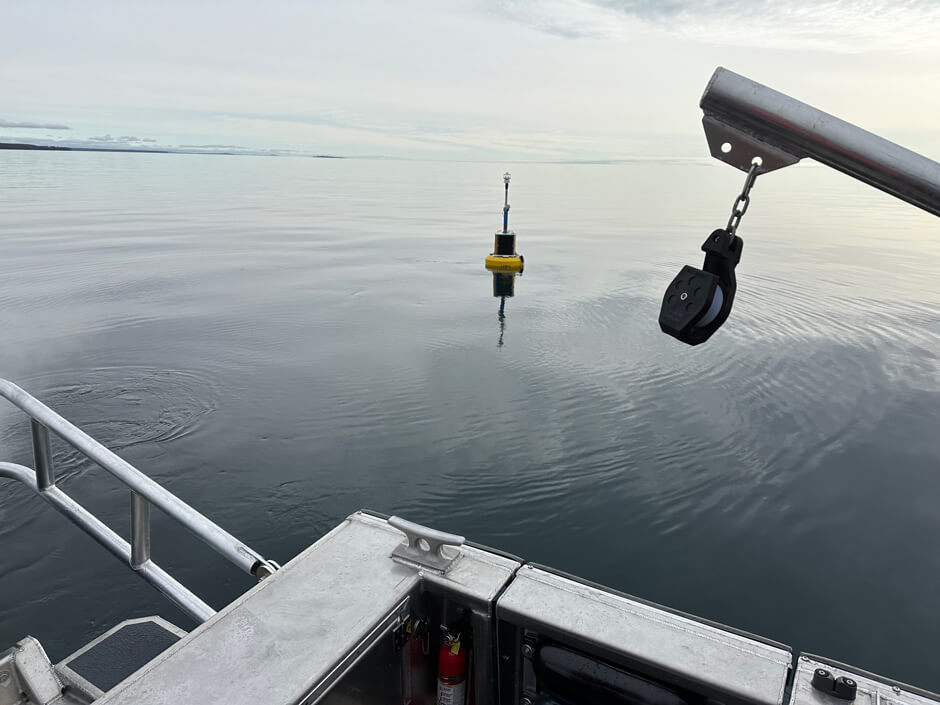
The Great Lakes are in a state of rapid and continuous change resulting from a host of environmental and anthropogenic stressors. Such circumstances require unique, targeted monitoring solutions to meet environmental demands and continuously document these changes. Hayden Henderson, a research engineer with the Great Lakes Research Center (GLRC), designs such systems, working with research groups like the Great Lakes Observing System (GLOS), NOAA’s Ocean Technology Transition Program, and NOAA’s Ocean Acidification Program, to formulate monitoring solutions and monitor multiple points throughout the Great Lakes region. Challenge: Meeting Unique Environmental Demands and Building Historical Data Sets Any monitoring solution designed for deployment in the Great Lakes needs to meet the environmental demands of the deployment lake and also effectively monitor goal parameters. In this case, there is no one-size-fits-all approach to monitoring, even in cases where the same conditions are being observed.