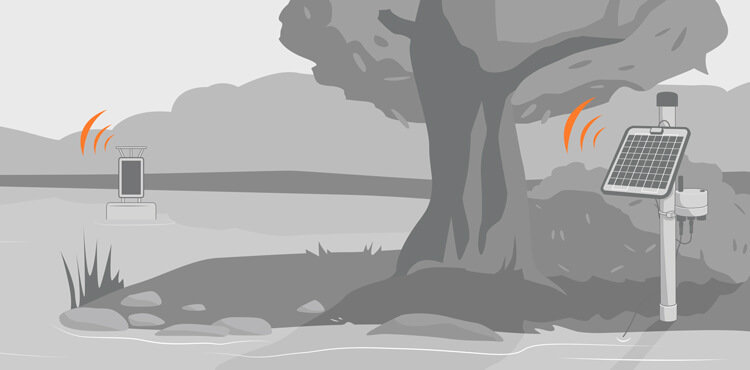
Environmental data collection is fundamental to scientific research, environmental management, and regulatory compliance. The systematic gathering of information about natural systems helps scientists, engineers, and policymakers make informed decisions to protect ecosystems, manage resources, and understand environmental changes. Data collection can range from simple, manual measurements to complex, automated systems that continuously monitor various environmental […]
Read More →
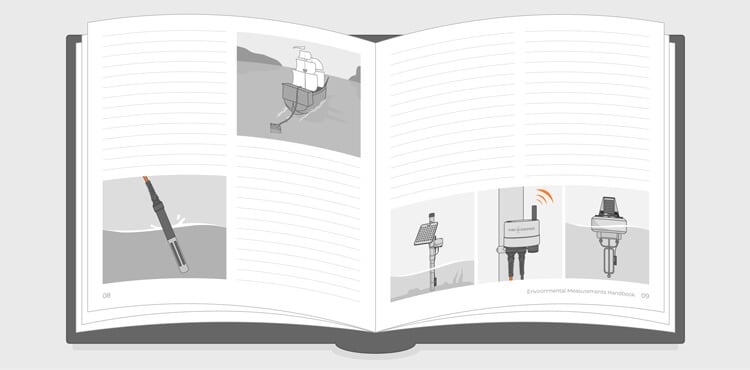
This handbook provides a comprehensive guide to modern techniques in measuring the natural environment, including water quality, hydrology, weather, and soil. It focuses on environmental monitoring and data collection, including sensors, remote data acquisition systems, and cloud-based data management. Its aim is to be a practical resource for environmental professionals, researchers, and students to quickly locate […]
Read More →
U S Army Corps of Engineers
To make sure the currents are flowing properly the USACE uses a NexSens CB-450 Data Buoy with a Seatek Ultrasonic Ranging System.
Read More →
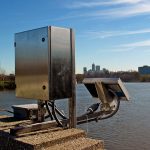
Grounding a data logger is critically important to ensure measurement accuracy and prevent damage to a data logging system. Damage can either occur acutely or manifested through intermittent hardware problems that are difficult to diagnose and can result in an eventual failure. While lightning strikes are an obvious source of power surges that can damage […]
Read More →
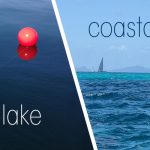
Coastal vs. lake data buoys: a comparison. Any aquatic environment is dynamic and complex, but lakes and rivers are different monitoring environments from their coastal cousins.
Read More →
City of Indianapolis
A real-time data collection network provides personnel with up-to-the-hour water quality data from multiple sites along the White River.
Read More →