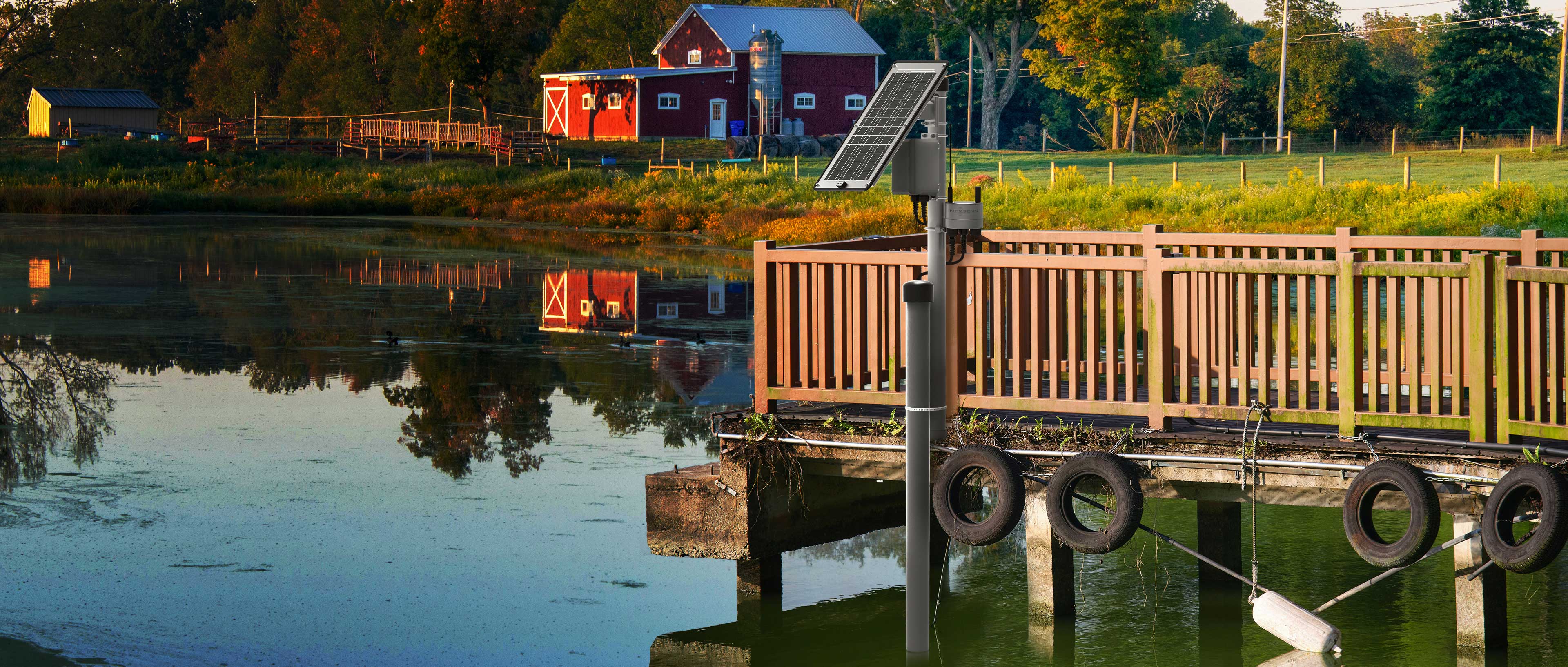
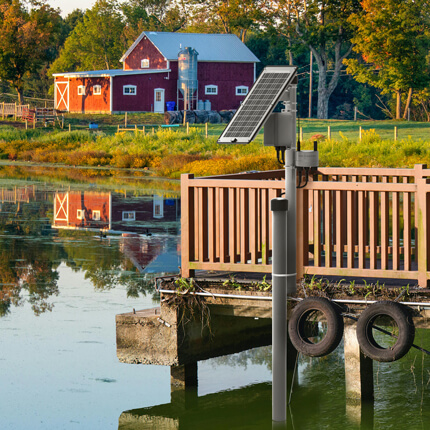

Recommended Nutrient Monitoring System
Effective nutrient monitoring systems provide long-term, high-resolution measurement data, ideally at locations both on the upstream side (in feeder tributaries or before known point-source locations) and in downstream waters where nutrients are deposited.
Data Logger
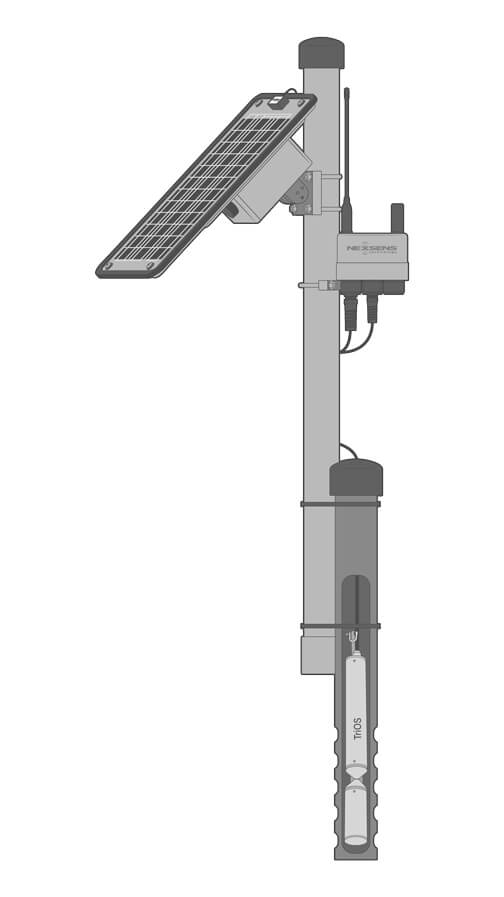
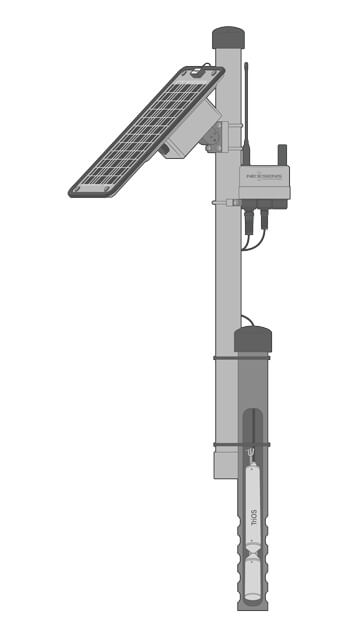
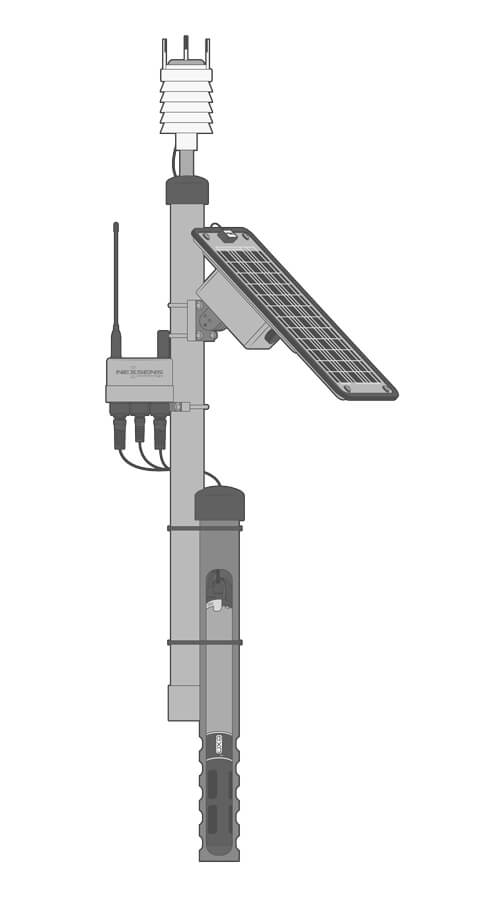
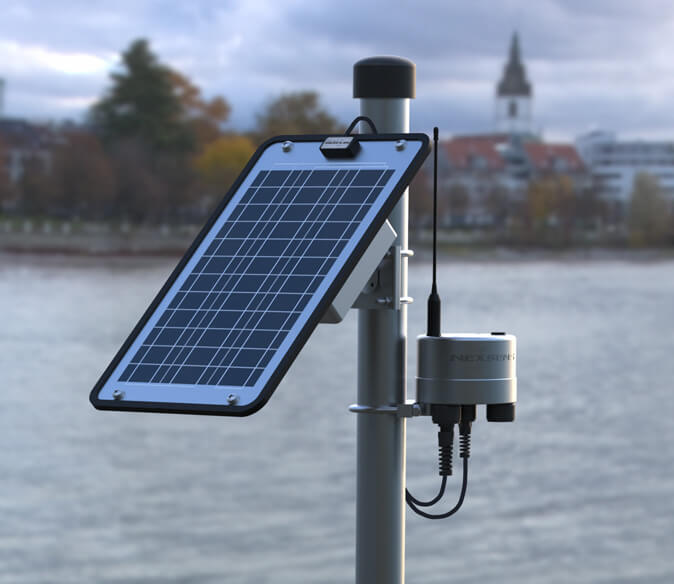
Systems are centered around the X3 data logger, which handles sensor data and transmits it in near-real time. A robust enclosure with flexible mounting and pluggable sensor connections provides reliable performance in harsh environmental conditions.
Nutrient Sensors
The X3 data logger is compatible with a range of nutrient sensor types, from multi-parameter sondes to complex nutrient analyzers. Specialized instruments like the TriOS NICO UV Nitrate Sensor provide a balance between functionality and maintenance requirements.
Power
System power in remote monitoring applications is typically supplied by solar-charged SP-series power packs. Analysis of sensor load and regional sunlight conditions is used to size solar systems for continuous operation, with battery backup for reliability in poor weather.
Need More?
NexSens offers robust and flexible solutions for nearly any long-term nutrient monitoring application. Customized plug-and-play system options include expanded sensor and parameter integrations and buoy-based deployments for open water applications.
Weather Stations
Nutrient transport is often correlated with weather conditions, particularly precipitation rates. Rain gauges and multi-parameter weather stations add meteorological observations and are easily integrated into monitoring networks.
Flow Rates
Systems may also include direct measurement of flow rates in streams and rivers. Various methodologies are possible, including estimation based on water level measurement using a stage-discharge relationship or advanced profiling with ADCP instruments.
Soil Monitoring
Since nutrient runoff is often related to soil conditions, particularly in agricultural applications, networks may benefit from soil monitoring. Multi-depth soil moisture profiling probes or moisture and conductivity sensors like the Stevens HydraProbe can be integrated.
Multi-Parameter Instruments
Multi-parameter sondes combine nutrient measurements with additional water quality sensors like pH, conductivity, turbidity, chlorophyll, and algae. The X3 supports sondes from leading manufacturers like YSI, In-Situ, Solinst, Eureka, Proteus, and Sea-Bird Scientific.
Buoy-based Monitoring
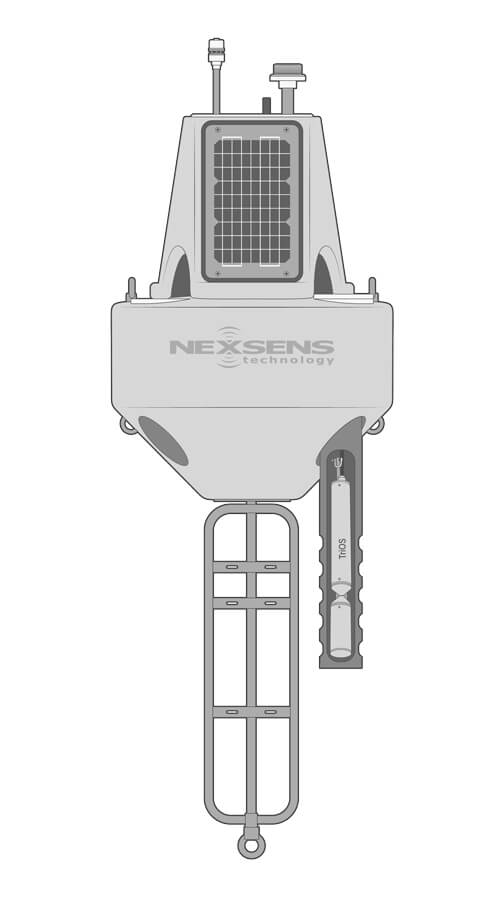
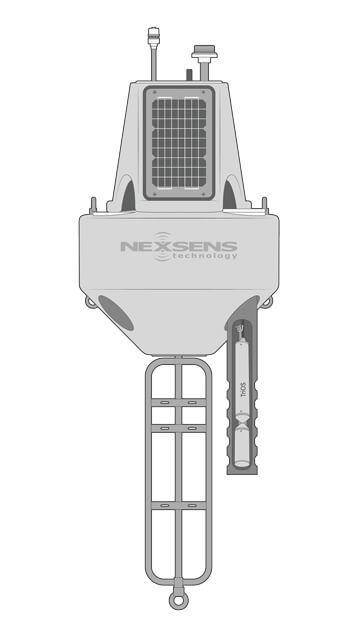
For nutrient monitoring in larger rivers or open waters such as lakes, reservoirs, estuaries, or coastal waters, floating buoy platforms simplify sensor placement. Buoys come in a range of sizes and support the same X3 logging electronics and sensor types.
Deployment
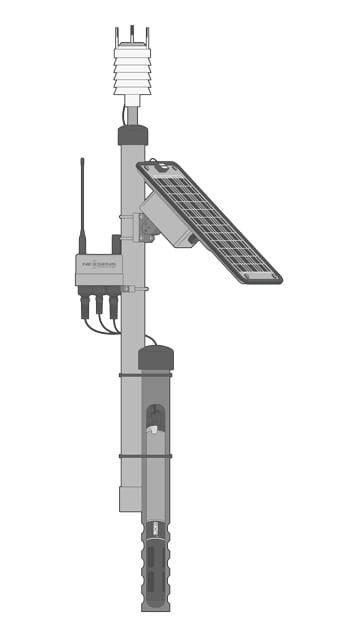
Nutrient sensors and water quality sondes are typically mounted inside a deployment pipe secured along the stream, riverbank, dock, or other structure. Perforation allows flow through to the sensors for measurement accuracy while shielding from debris.
The PM2 Data Logger Mounting Kit supports attachment of X-Series data loggers to flat surfaces or 1.5″ to 2″ (38 to 50 mm) diameter masts. Loggers can alternatively be mounted on the solar tower of data buoy platforms with provided hardware.
Real-Time Nutrient Data
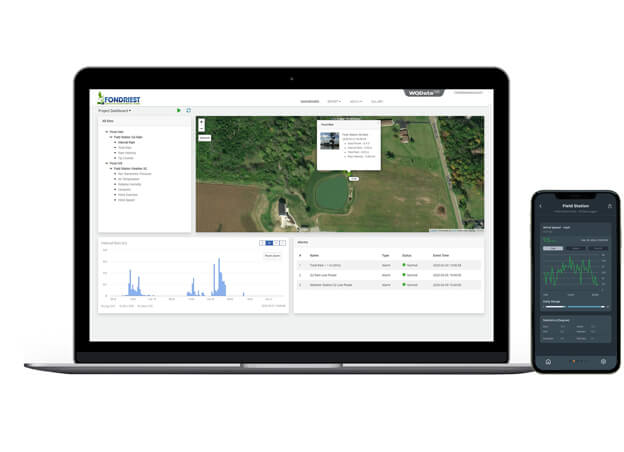
Long-term nutrient data is delivered in near real-time to the WQData LIVE web datacenter via Wi-Fi, 4G LTE, or Iridium satellite telemetry.
Basic tier service allows users to freely view, manage, and download data, set high/low Quick Alert messages for notification of exceedances, and remote logger controls like log and transmit interval adjustments.
Subscription-based WQData LIVE tiers offer advanced features for alarms and data sharing, including automated export, API, or Public Portal access.

Purchase in the USA
Visit our US distributor, Fondriest Environmental, to purchase online.

Purchase Internationally
Click the button below to find a local distributor.
Contact a NexSens Applications Scientist
Need help designing an Environmental IoT system? NexSens applications scientists will help you design the perfect monitoring system to meet field conditions and monitoring needs.
Related Videos
Case Studies
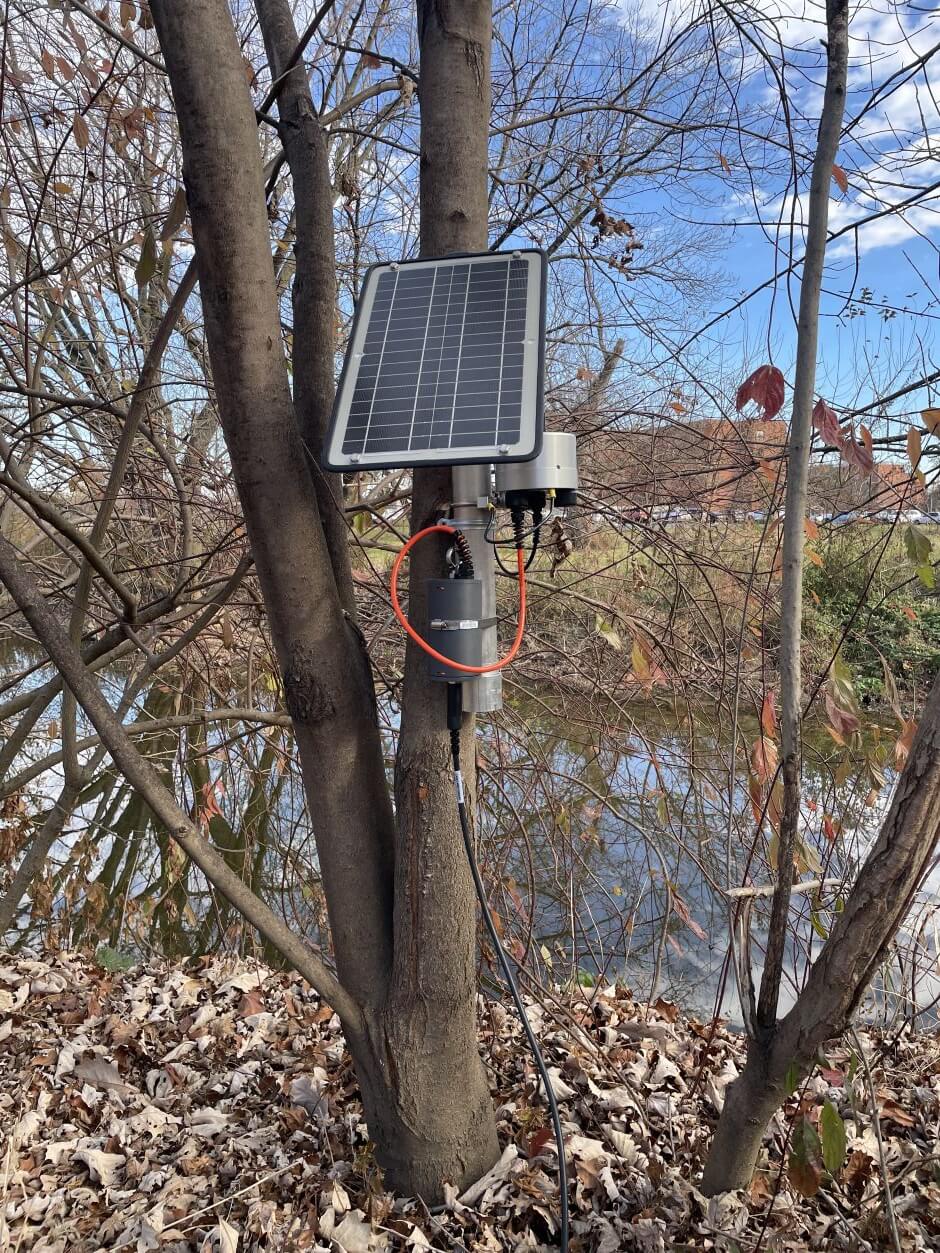
Upgrading to Real-Time Systems in Lancaster County
Lancaster County, Pennsylvania, is dominated by agriculture and a developing urban landscape—which result in nutrient-rich runoff that enters into the county’s waterways. Lancaster’s rivers and creeks are part of the larger Susquehanna River Basin and feed into the Chesapeake Bay. While the Lancaster County Conservation District started monitoring the county’s waterways continuously about 5 years ago, the department is making a major upgrade over the next year as they switch from relying entirely on the internal storage of continuous sondes to real-time data loggers. Challenge: Telling the Story of Lancaster Through Data Since the Lancaster County Conservation District started monitoring county waterways, the goal has remained the same, according to Amanda Goldsmith, Watershed Specialist for the Watershed Department.
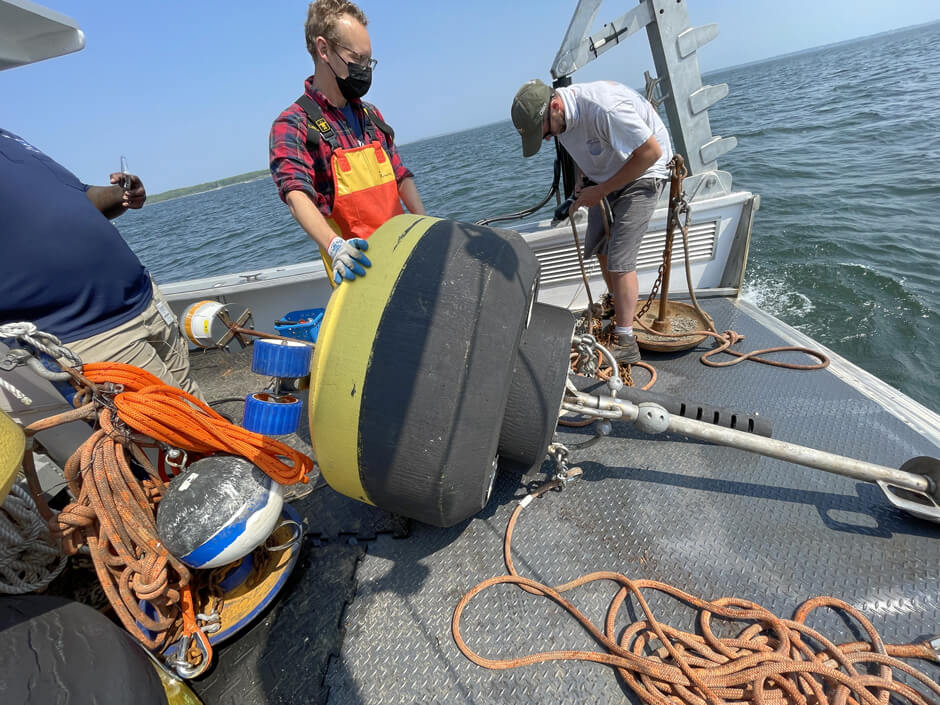
Narragansett Bay Fixed Station Monitoring Network
Water quality monitoring in estuaries prior to the 1990s was labor-intensive and sporadic, as samples had to be collected and brought back to the laboratory to be analyzed using lengthy procedures with specialized equipment and reagents. During the late 1990s, new innovations in automated water quality sensors made it possible to take measurements directly in the field, greatly reducing travel time, labor, and laboratory waste. This allowed researchers and managers to monitor water quality with more regularity and expand their sampling range. Around the same time, in response to concerns over fish kill and low oxygen observations in Narragansett Bay Rhode Island, a group of researchers and volunteers called the “Insomniacs” led by Dr. Chris Deacutis (Rhode Island Department of Environmental Management (RIDEM), retired) and Dr. Warren Prell (Brown University Emeritus) began conducting night time spatial surveys to document these low oxygen events, hence the name “Insomniacs”.
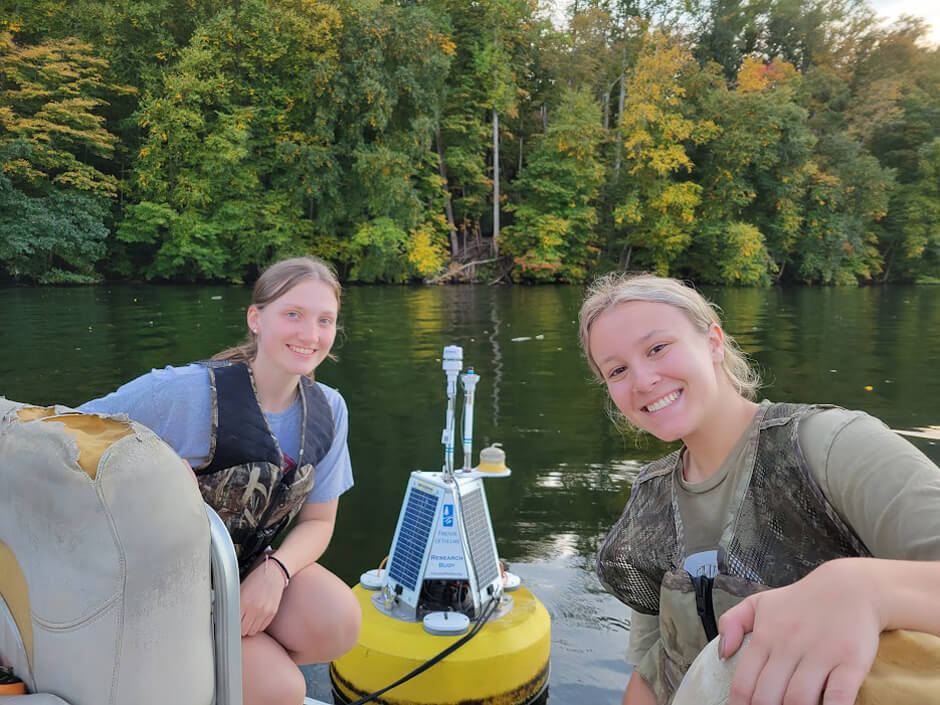
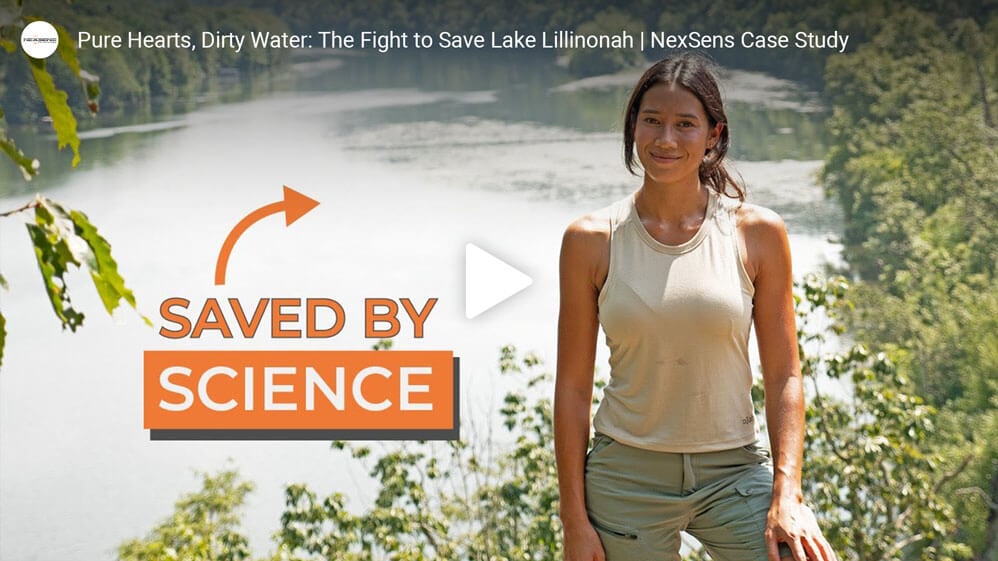
Protecting Lake Lillinonah through Monitoring and Advocacy
Lake associations and individual researchers teaming up means more comprehensive and impactful monitoring programs. Lake Lillinonah in Connecticut has the benefit of being the subject of many researchers' work as well as being under the protection of Friends of the Lake (FOTL). Jen Klug, Professor of Biology in the College of Arts and Sciences at Fairfield University, is one of these researchers and works with FOTL to better understand what conditions threaten Lake Lillinonah—a mission shared by FOTL. Challenge: Nutrient Loading and High Production in Lake Lillinonah Lake Lillinonah is in particular need of protection due to excess nutrient loads leading to hypoxia and algal blooms. The goal behind monitoring the lake is to help provide the FOTL with water quality data to help support their advocacy.