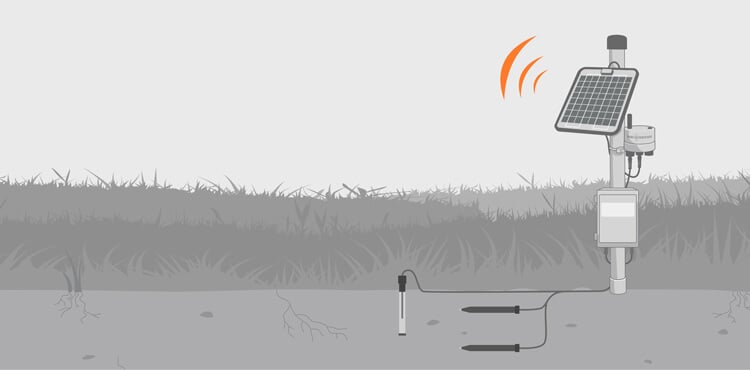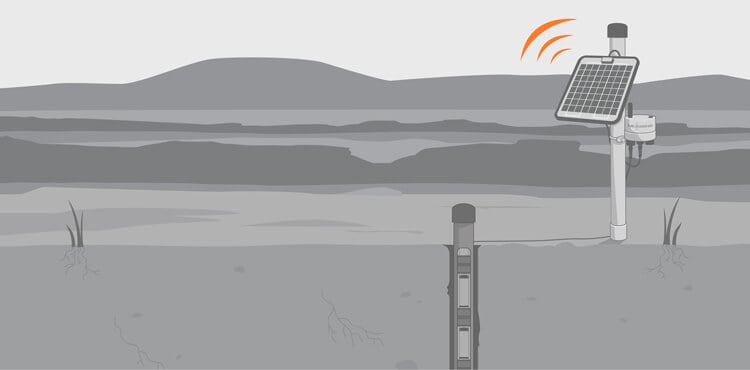
Soil oxygen concentration refers to the amount of oxygen present within the soil matrix, typically expressed as a percentage of the soil’s pore space volume. Well-aerated soils often have oxygen concentrations near atmospheric levels of about 20.95%. It may also include dissolved oxygen in the soil solution. However, oxygen dissolved in soil water is typically […]
Articles Tagged: Soil data
6.5 Soil pH
Soil pH is a measure of the acidity or alkalinity of soil, represented on a logarithmic scale ranging from 0 to 14, with 7 being neutral. Soils with pH values below 7 are acidic, while those above 7 are alkaline. Most soils fall within the range of pH 3 (ultra acid) to pH 10 (extremely […]
6.4 Soil Salinity
Soil salinity refers to the concentration of salts found in soil water. Common soil salts include chlorides like sodium chloride and calcium chloride, as well as some carbonate compounds like lime (calcium carbonate) and sulphate compounds like gypsum (calcium sulphate). Salinity is closely related to soil conductivity as dissolved salt ions are the primary source […]
6.3 Electrical Conductivity
Soil conductivity, often referred to as electrical conductivity (EC), measures the ability of soil to conduct electrical current. This property is determined by the presence of dissolved salts and other charged particles (ions) in the soil solution. Conductivity is directly influenced by soil moisture, temperature, and salinity, as water and dissolved ions serve as the […]
6.2 Soil Temperature
Soil temperature is the measure of heat (kinetic energy) within the soil, influenced by factors such as solar radiation, air temperature, soil composition, moisture content, and depth. Soils store heat during the day and act as a heat source at night. The transfer of heat through the soil occurs via conduction, with heat moving from […]
6.1 Soil Moisture
Soil moisture is the amount of water present in the pore spaces between soil particles. It is influenced by several factors, including rainfall, runoff, root absorption, and evaporation. Soil composition, texture, structure, and organic matter content also affect a soil’s capacity to absorb and release water, with finer soils like clay retaining water more effectively […]
Watershed Monitoring
U S Department of Agriculture
Researchers work to identify BMPs that will reduce soil erosion and the amount of nutrients/chemicals in surface water runoff.