Soil pH is a measure of the acidity or alkalinity of soil, represented on a logarithmic scale ranging from 0 to 14, with 7 being neutral. Soils with pH values below 7 are acidic, while those above 7 are alkaline. Most soils fall within the range of pH 3 (ultra acid) to pH 10 (extremely […]
Articles Tagged: pH
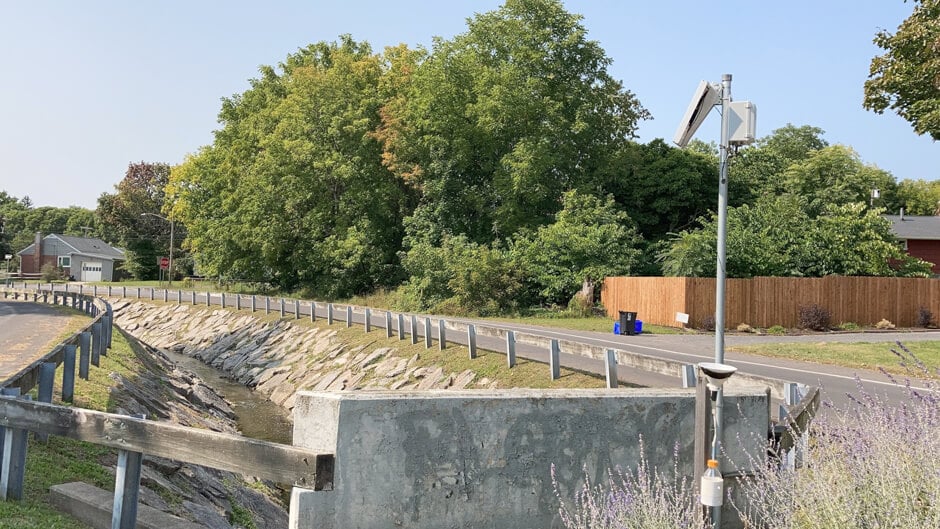
Monitoring Urban Creeks in Syracuse, New York
Syracuse University
Syracuse, New York, is home to a number of urban creeks, ideal for monitoring the influence of human development on water resources. Syracuse University (SU) faculty, staff, and students have been monitoring the city’s waterways for over a decade, with Dr. Laura Lautz establishing a more formal program focused on collecting grab water samples from […]
3.5 pH
pH has a complex role in water chemistry as it influences the solubility, reactivity, and potential toxicity of a wide range of elements commonly found in water.
Water Quality Measurement
Accurate water quality measurement, while basic in many situations, forms the basis for numerous crucial management decisions.
Understanding Water Quality Parameters – Part 2
Understanding water quality parameters is an essential part of protecting environmental health. Poor water quality affects the entire ecosystem.
Why Measure Water Quality?
There are so many reasons to measure water quality. Any of the main water quality parameters are linked to important signs of environmental health.
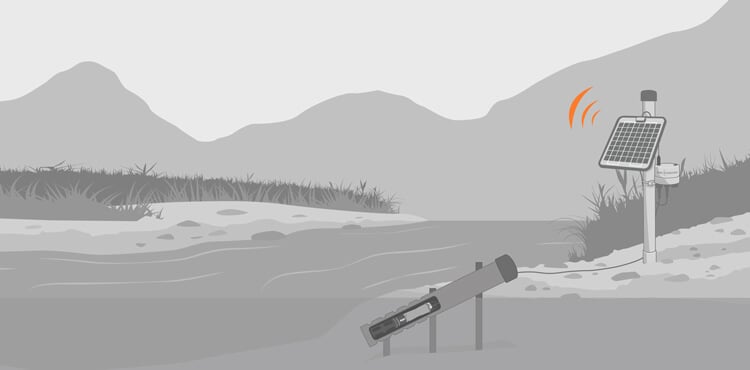
Water Quality Sensor Options
Water quality sensors allow managers to monitor for algae, phytoplankton, and chlorophyll and many others, we discuss the options available for water monitoring projects.
Weir Installation Water Quality Effects
Minnesota State University
Researchers at Minnesota State University set out to investigate what effects a new weir might have on the water quality downstream.
Brushy Creek Designated Uses
University of Louisville
When Brushy Creek in Kentucky was not meeting designated uses under the Clean Water Act, University of Louisville scientists contacted NexSens.