
Recommended Wellfield Monitoring System
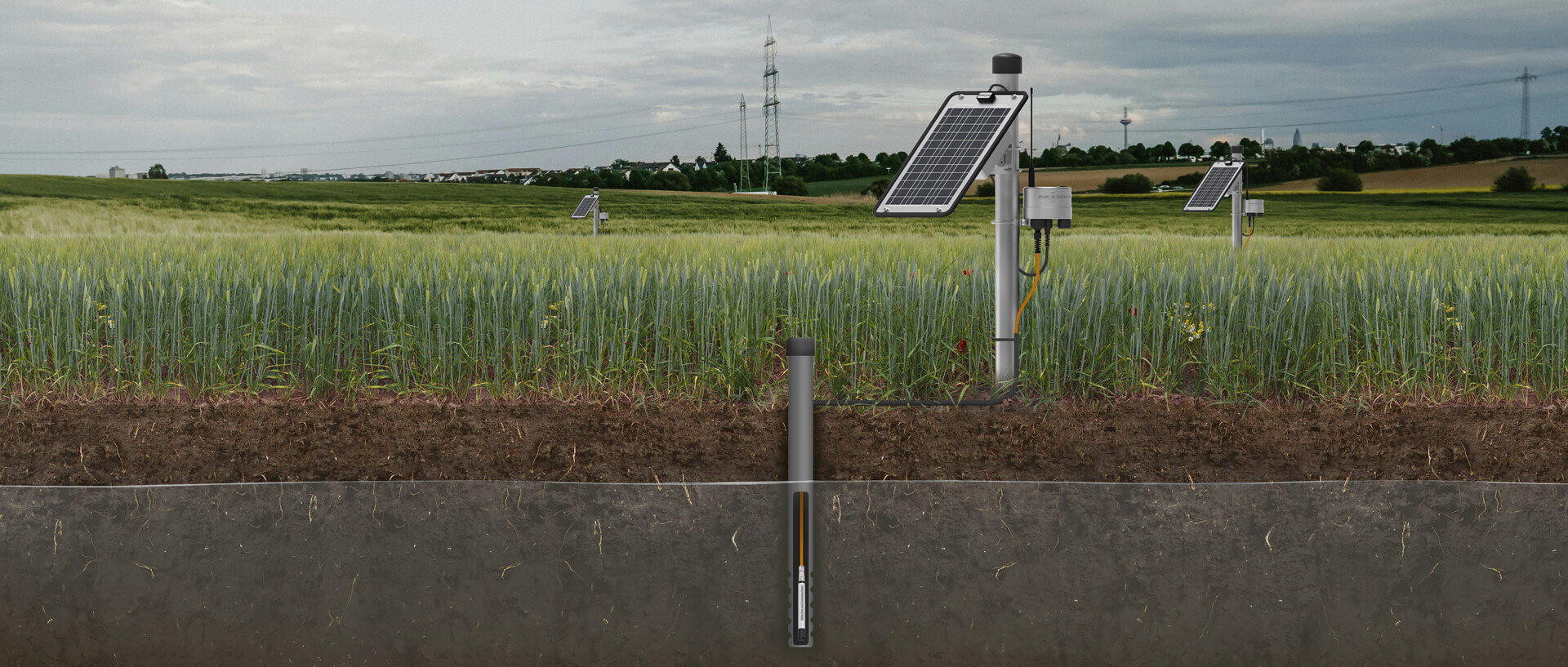
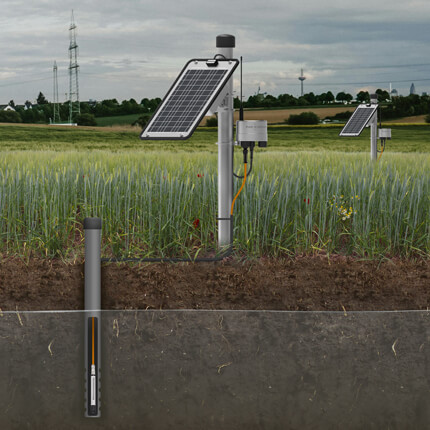
Effective wellfield monitoring provides high-resolution data that helps monitor groundwater levels and provides early warning of potential contamination or other issues. Systems often consist of a network of sensors installed throughout a wellfield.
Data Logger
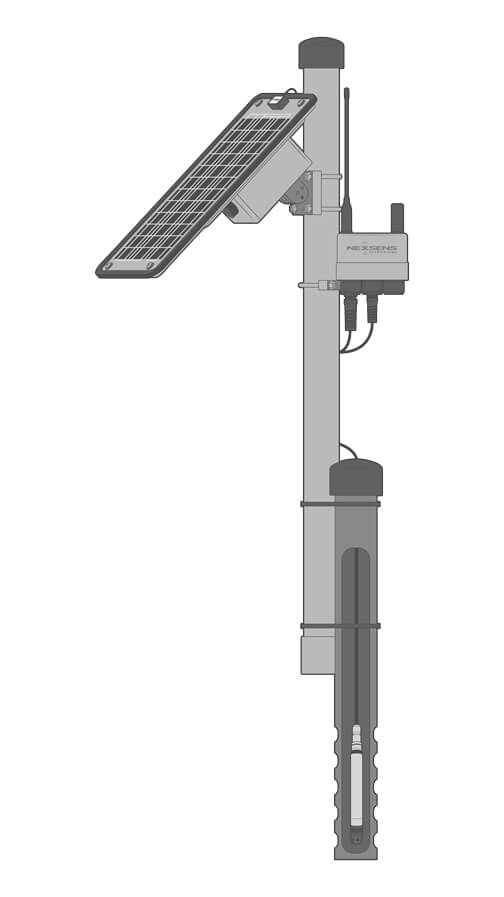
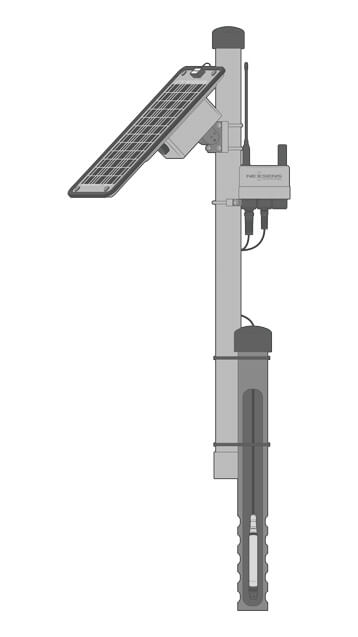
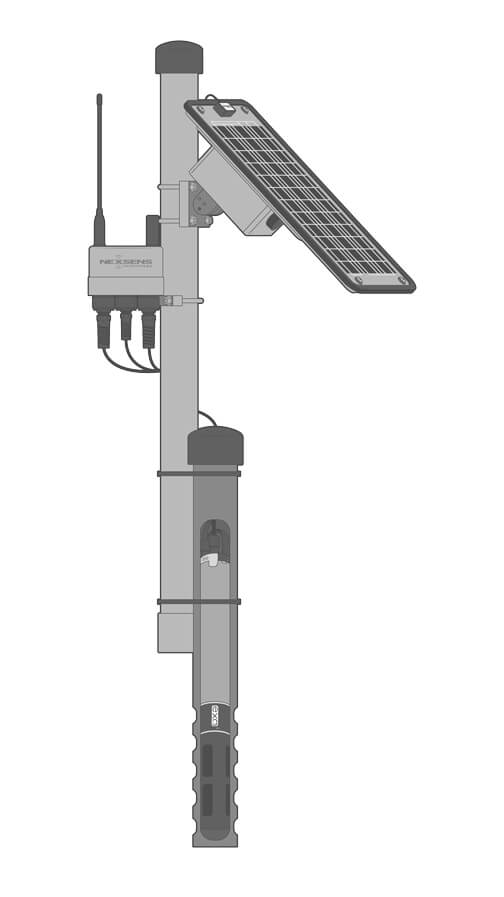
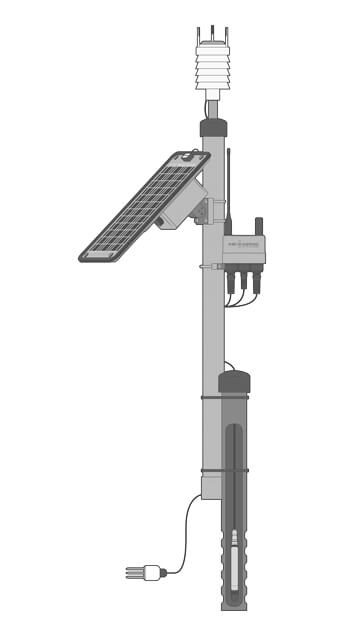
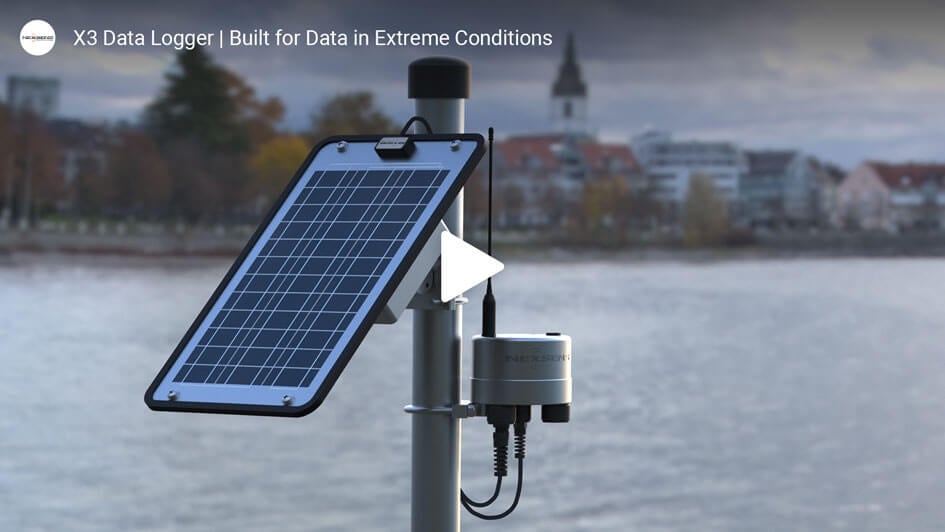
The centerpiece of wellfield monitoring networks is the X3 data logger. Pluggable sensor ports, wireless telemetry for remote data acquisition, and a robust enclosure deliver reliable performance even in harsh environmental conditions.
Groundwater Sensors
Well water levels are typically recorded by a pressure transducer such as the Solinst Water Level Temperature Sensor. Advanced instruments like the YSI EXO offer an additional suite of water quality parameters, such as conductivity, pH, ORP, DO, and nutrients.
Power
Solar-charged SP-series power packs are commonly used to power the X3 logger in remote applications with no fixed power supply. Solar panels are sized for regional conditions and system-specific power demand, with battery backup for reliability in poor weather.
Need More?
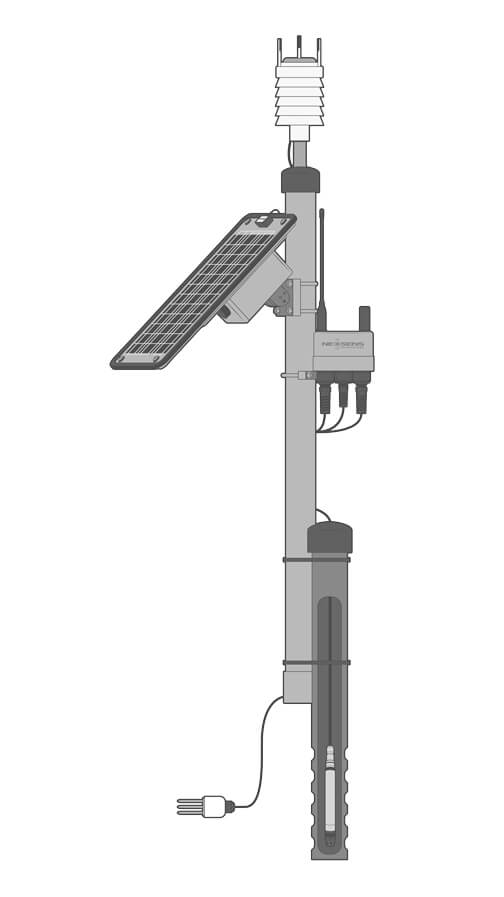
NexSens measurement systems are flexible and customizable to expand wellfield monitoring system capabilities. More comprehensive measurement is achieved with the addition of alternative sensor types.
Weather Stations
Weather conditions, particularly precipitation rates, may impact groundwater levels and conditions. Monitoring networks can record meteorological measurements using rain gauges and multi-parameter weather stations.
Soil Monitoring
The dynamics of groundwater and soil conditions can be monitored by adding soil sensors. Soil moisture profiling probes log saturation rates through the soil column, while sensors like the Stevens HydraProbe give point measurements of moisture and conductivity.
Stormwater Tracking
Measurement of flow rates in the surrounding watershed can help to draw conclusions between stormwater runoff and groundwater conditions. Flow systems may be expanded to include comparative water quality measurements.
Deployment
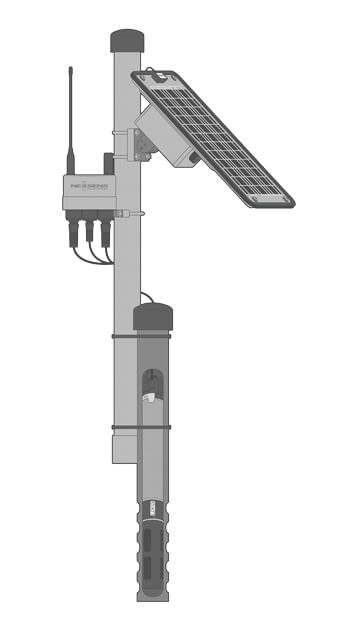
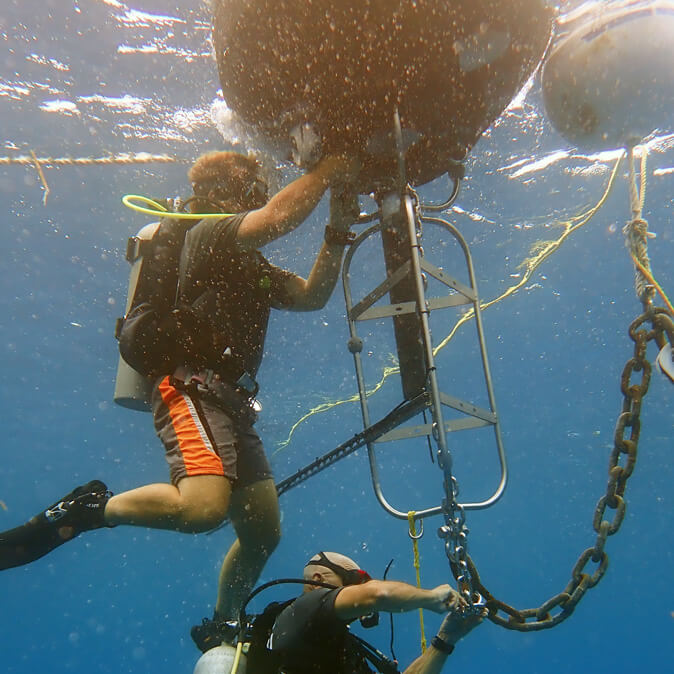
Support lines suspended from the well cap are used to secure water level sensors and water quality sondes at the desired depth in groundwater wells. Sensor placements must be deeper than the minimum water level expected in the well.
At the top of the well or a nearby mast, sensors connect to an X-Series data logger. The PM2 data logger mounting kit is commonly used for mounting, with sensor cables routed through a protective conduit to avoid damage.
Real-Time Wellfield Data
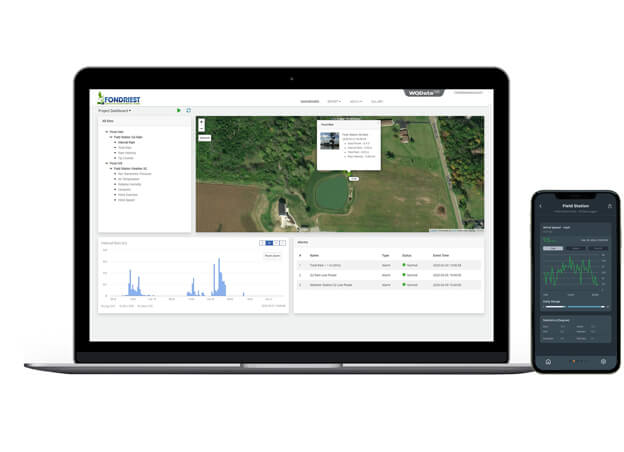
Wellfield monitoring systems equipped with Wi-Fi, 4G LTE, or Iridium satellite telemetry transmit data in near real-time to the WQData LIVE web datacenter.
Free service at the WQData LIVE Basic tier allows users to view, manage, and download data, set high/low Quick Alert messages to notify of exceedances, and adjust data logger settings remotely.
Subscription-based service tiers provide supplementary features, such as programmable alarms and data sharing via automated export, API, or Public Portal access.

Purchase in the USA
Visit our US distributor, Fondriest Environmental, to purchase online.

Purchase Internationally
Click the button below to find a local distributor.
Contact a NexSens Applications Scientist
Need help designing an Environmental IoT system? NexSens applications scientists will help you design the perfect monitoring system to meet field conditions and monitoring needs.
Related Videos
Case Studies
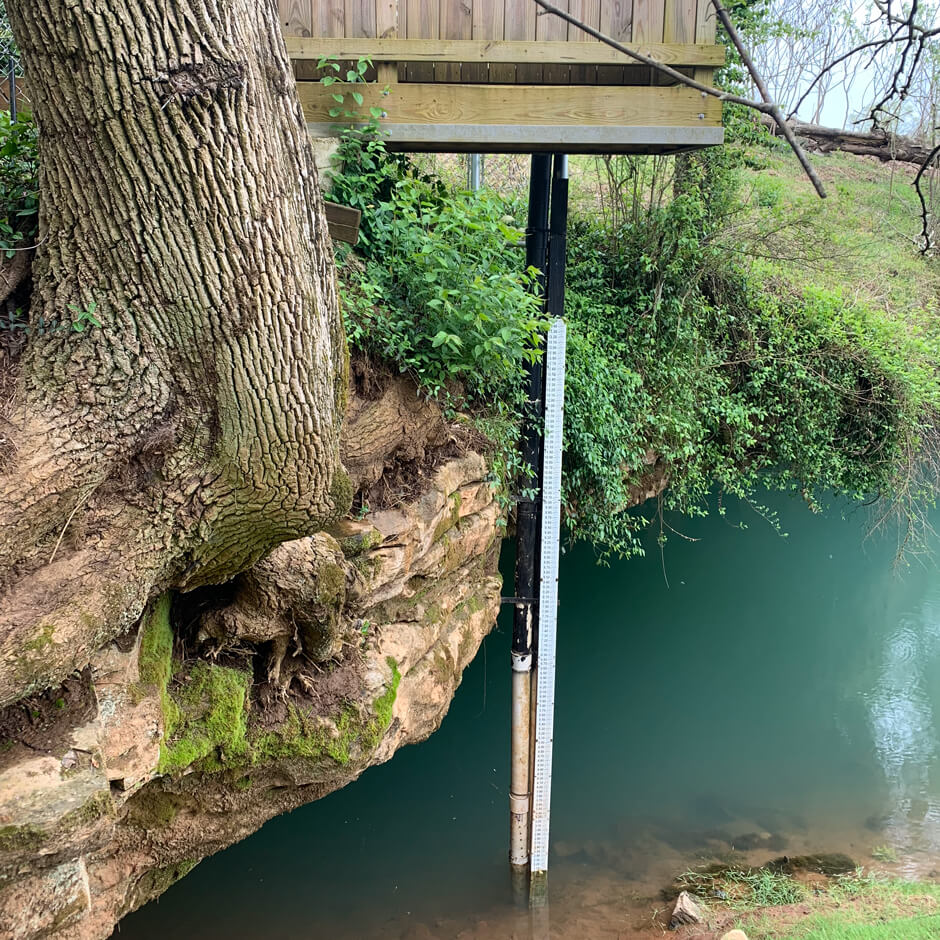
Developing Monitoring Solutions through Applied Research
The Center for Human GeoEnvironmental Studies (CHNGES) at Western Kentucky University (WKU) works with organizations to develop environmental monitoring solutions. Dr. Jason Polk started CHNGES at WKU after recognizing a need in his industry to help create and manage long-standing environmental monitoring programs. Polk specializes in water resources and climate research, karst environments, and reconstruction of the environment. CHNGES focuses on understanding human and societal interactions as well as various environmental issues through monitoring and research. Applied research and working with communities have been the basis for all of Polk's monitoring solutions over the years. He explains, "I can study glaciers in Iceland, I can study caves in Belize, I can study, you know, groundwater right here in Kentucky, we've done work with ag communities and impacts in Vietnam—it's been really interesting and neat to be able to do work in all these different countries in these areas and see that linkage and that thread of applied research." Challenges: Innovation and Long-Term Monitoring Solutions for Unique Applications