
X-Series Data Logger Grounding
Grounding a data logger is critically important to ensure measurement accuracy and prevent damage to a data logging system. Damage can either occur acutely or manifested through intermittent hardware problems that are difficult to diagnose and can result in an eventual failure.
While lightning strikes are an obvious source of power surges that can damage system components, other less commonly thought of hazards include nearby machinery, other electrical systems and electrostatic discharge (ESD).
Regardless of the environment, measurement systems should always include proper grounding of a data logger and other electronics. Proper grounding helps reduce the risk of expensive damage to the system. For this reason, X-Series data loggers come standard with a grounding kit recommended for installation.
Instructions for installation of the grounding kit are provided below.
X-Series Data Logger Grounding Kit
Every new X-Series logger will ship with a grounding kit. The included X-Series Ground Kit Instructions steps through the process of assembly. The hardware in the kit creates a ground path from the logger through the PM2 mounting accessory to the 2″NPT galvanized or aluminum pipe used for mounting in the field. To establish a proper ground the mounting pipe must be buried in the ground or connected to an earth ground.
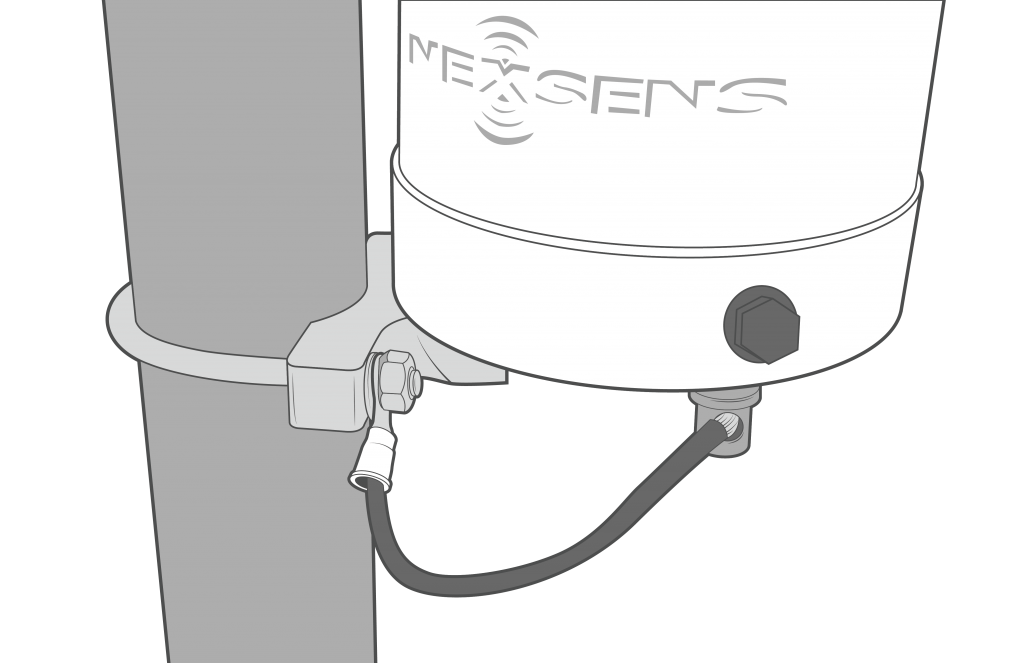
Figure 1: X-Series Grounding Kit installed.
Buoy Applications
In buoy-based applications, the electrical ground connection will not be reliable if made through the tower hubs, since these components can move within the hub. For a more secure connection, we recommend routing the grounding wire down and clamping it to the stainless steel buoy hull top plate or battery well lid. This provides a direct, stable path to the water via the threaded rods that connect to the subsurface cage.