Garmin GPS HVS Marine GNSS Receiver X-Series Integration Guide
The Garmin GPS HVS Marine GNSS Receiver provides up to 10 Hz update rates for position. It easily integrates with NexSens X-Series data loggers using the NMEA 0183 sensor interface.

Sensor Setup
The GPS arrives already set up and ready for pairing with NexSens loggers.
Connecting with X-Series Loggers
Next, the GPS will need to be set up for the X-Series logger using CONNECT software. If you have not yet done so, set up the project in WQData LIVE.
- Connect the sensor using the supplied cable to one of the open sensor ports on the logger and note the port number.
- Plug the X3 into the USB port of the computer and power it on with the AC power cable.
- Open CONNECT and select the SENSOR tab.
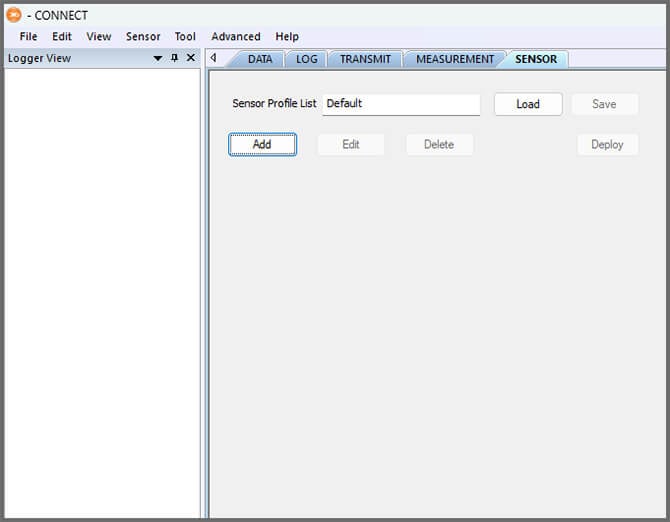
- Click Add and select Garmin from the Manufacturer drop-down. Then select the appropriate model.
- Adjust the Connection if needed and select the port number.
- Select either Continuous or Switch in the Power drop-down.
- Switch is recommended for the GPS.
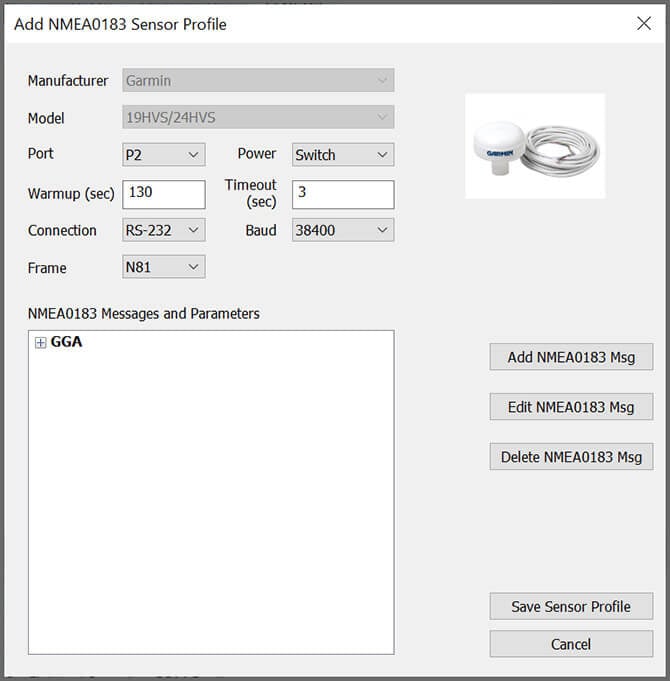
- Switch is recommended for the GPS.
- Select Save Sensor Profile.
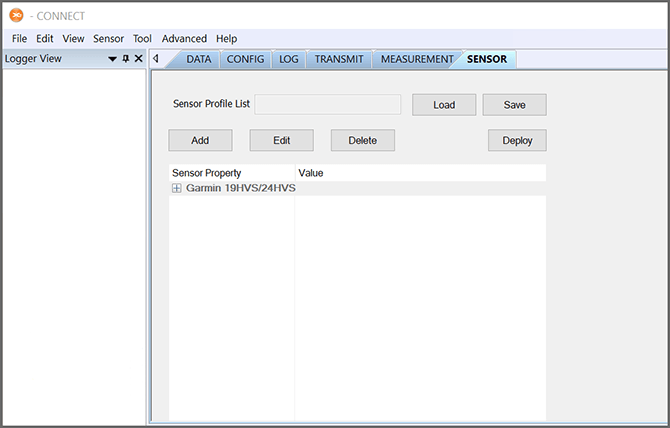
- Complete the setup for all other sensors, and then click Save.
- Name the Sensor Profile List and select Ok.

- Complete system setup by clicking Deploy.
- Confirm that data is being transferred to WQData LIVE at the next interval (default is 10 minutes).
Mounting
Deployment setups will vary based on the platform, application, and site location. For general buoy mounting, see below.
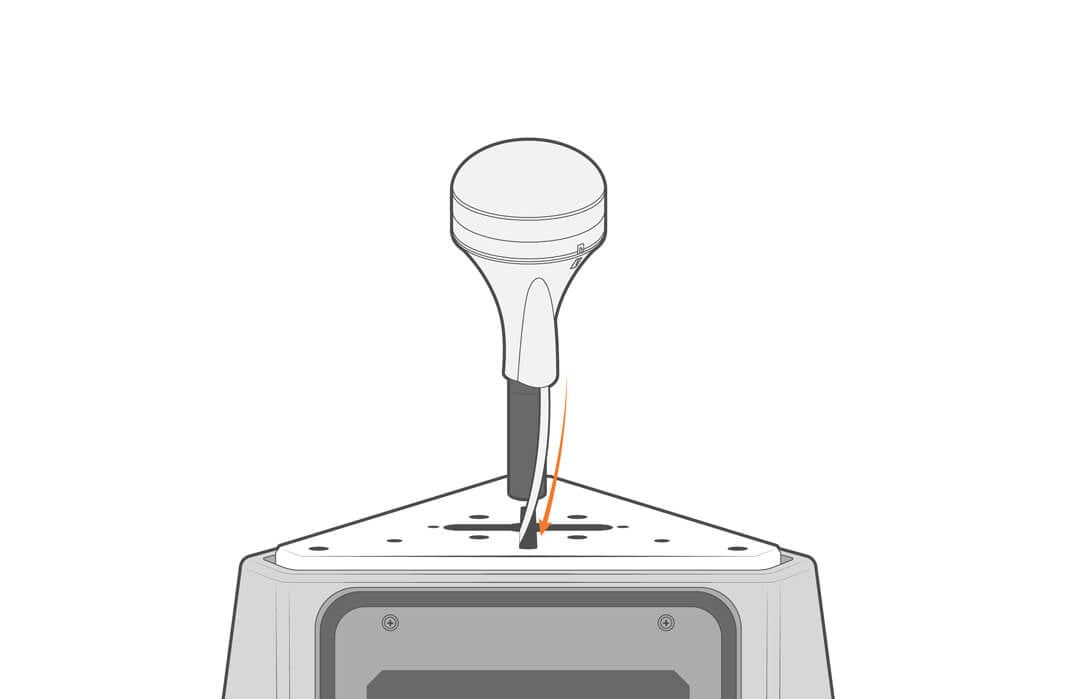
First, follow the appropriate User Guide in the Knowledge Base for buoy assembly. Then, use the NexSens Garmin GPS 24xd Receiver Buoy Mount to attach the GPS to the buoy solar tower by following the steps below.
- Lower the GPS onto the sensor hub and route the cable through the bottom.
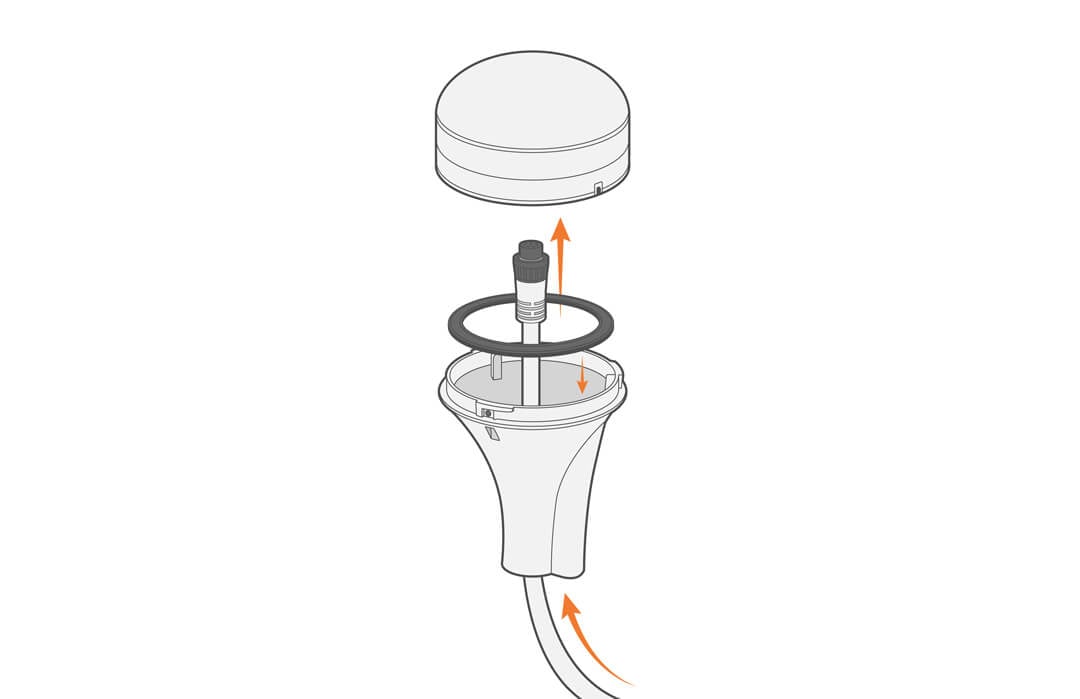
- Plug the connector in and turn counterclockwise to tighten.
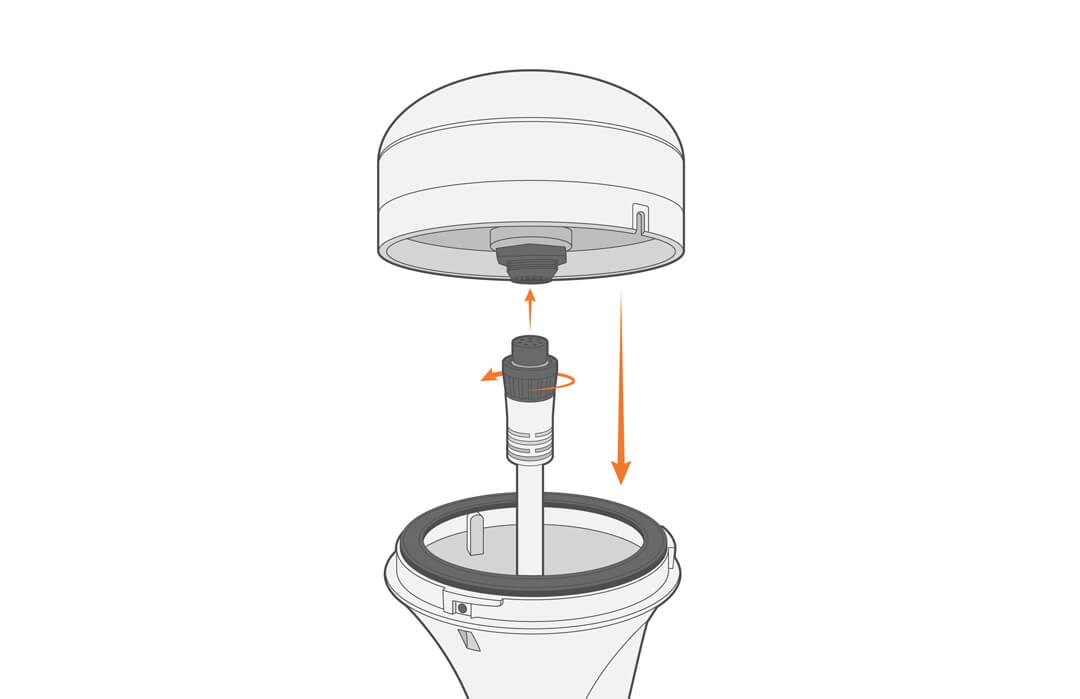
- Align the receiver on the mount and turn until it clicks into place.
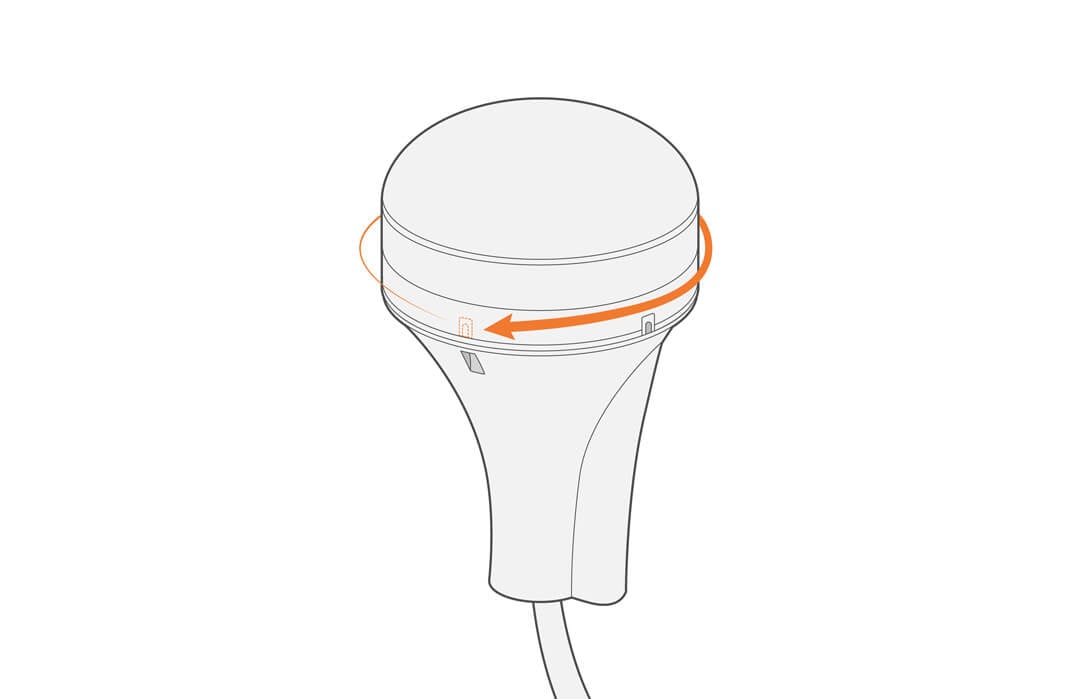
- Secure the assembly with the included hardware.
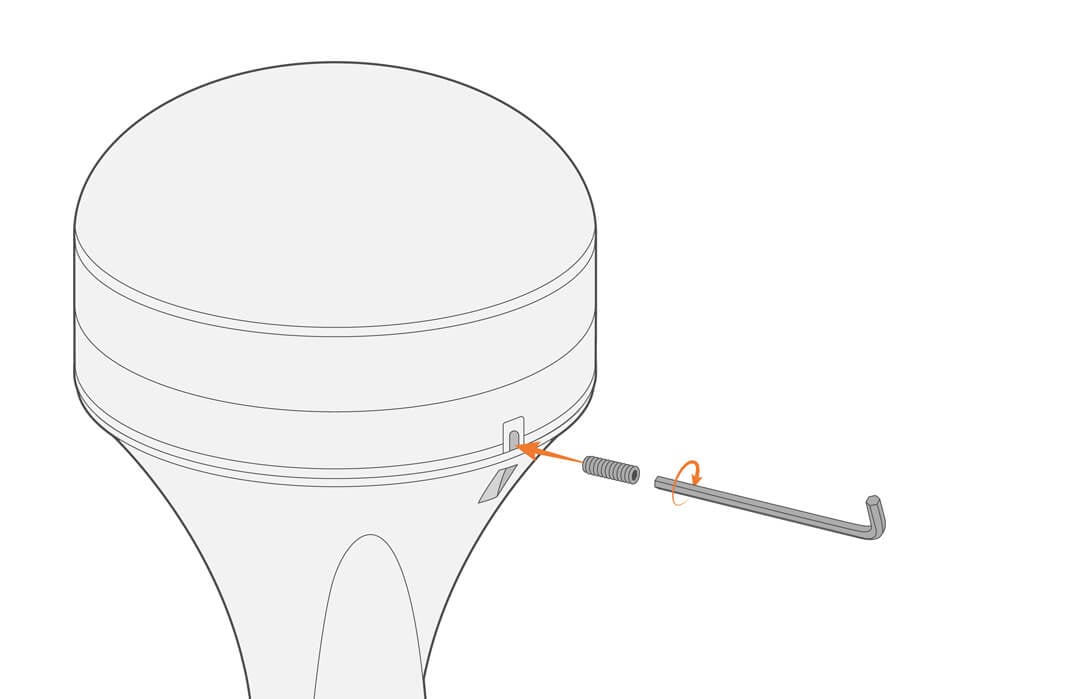

- Thread the mount onto the bottom of the GPS assembly.
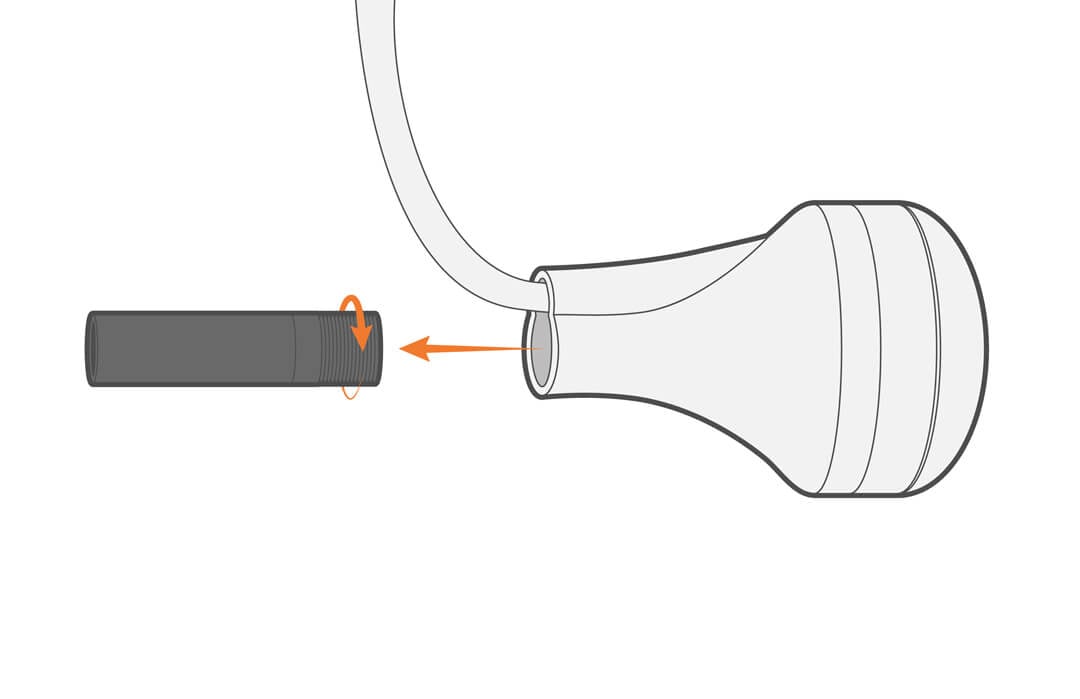
- With the solar tower top plate removed, attach the mount.
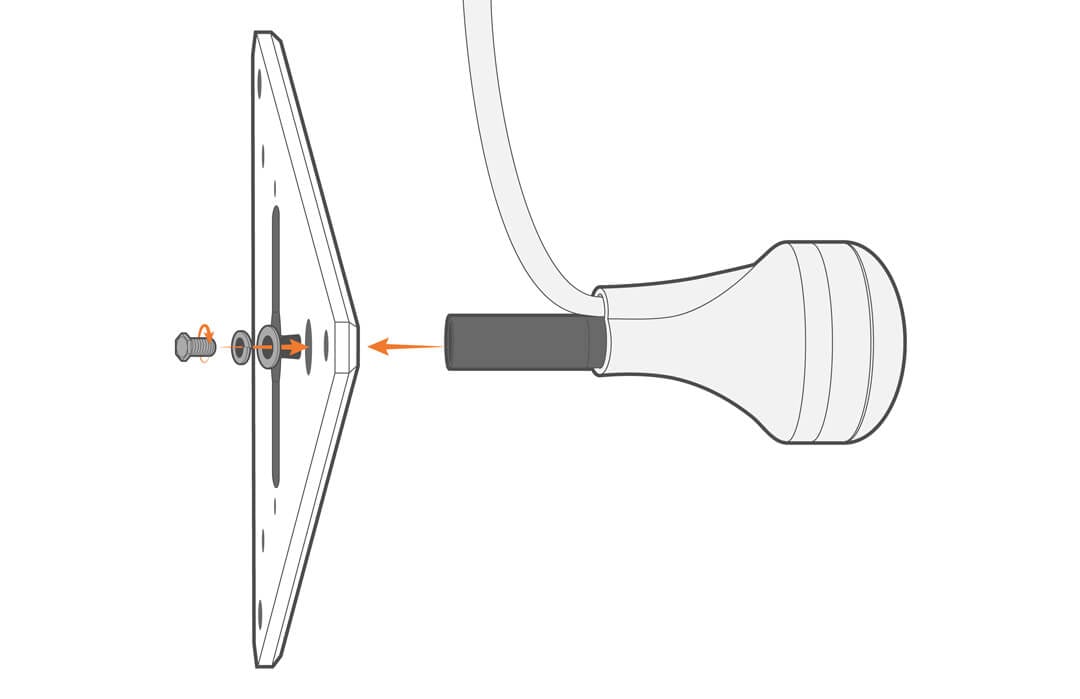
- Reinstall the plate and route the GPS cable through to the data logger