Nitrate, phosphate, and other nutrients are increasingly present in surface waters and can cause problems like harmful algal blooms that adversely affect ecosystems and humans alike. Real-time nutrient monitoring with NexSens telemetry systems offers critical insight into the presence of nutrients and resulting effects on water quality over time.
Read More →
Groundwater contamination can be detrimental to irrigation waters, drinking water sources and municipal water supplies. NexSens groundwater monitoring systems provide an in-situ method for tracking water quality and level in real-time, offering insight into these critical resources hidden deep below the surface.
Read More →
Streamside or in-river water quality data is valuable for research, assessment, regulation, and environmental impact studies. Continuous measurement provides the comprehensive data necessary to draw definitive conclusions. NexSens monitoring systems are designed to simplify the setup and operation of real-time water quality measurement in streams and rivers.
Read More →
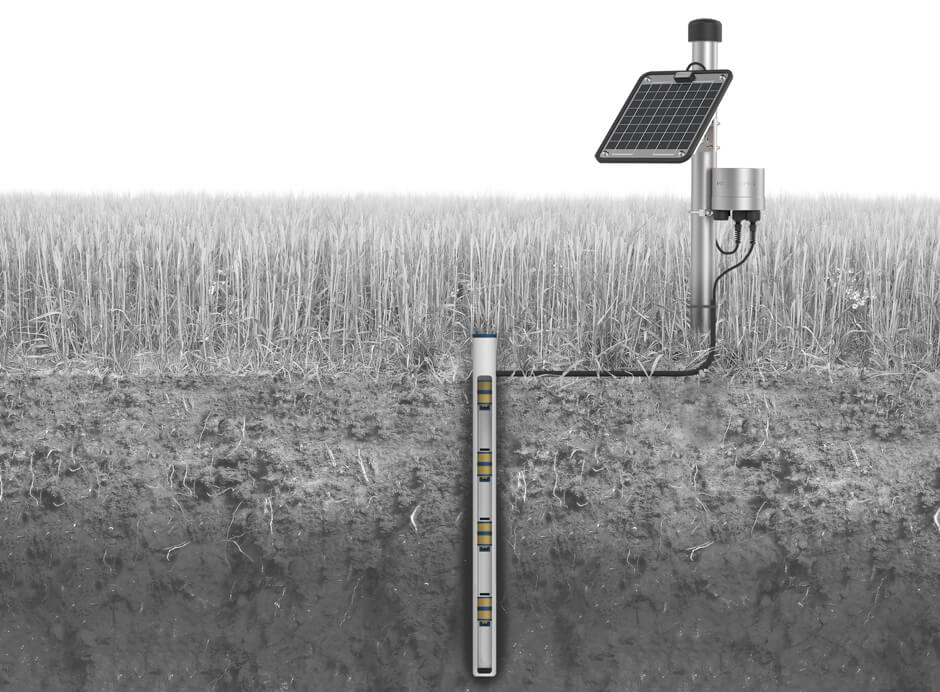
Soil moisture is important to agriculture and landscape management and is a frequent topic of research. Advances in sensor technology simplify measurement of multi-point profiles, and NexSens data logging and communication systems relay data for real-time monitoring and tracking of long-term conditions and trends.
Read More →
Water currents impact nearshore fisheries, shipping routes, search and rescue operations, and recreational boaters. They also help shape aquatic ecosystems and the climate in many regions of the world. Monitoring with NexSens systems can detect changes in near real time and reveal patterns and changes developing over time.
Read More →
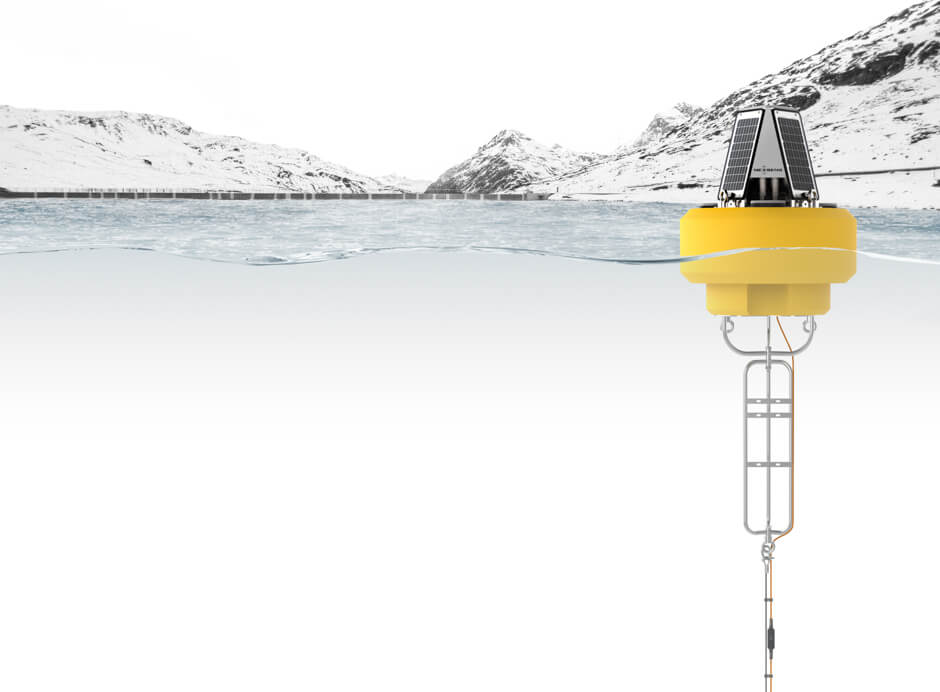
Monitoring the yearly evolution of temperature stratification is a critical component of lake management and research. Coastal waters and estuaries may also be subject to seasonal stratification. NexSens data buoys and thermistor strings offer an ideal solution for multi-point temperature profiling in nearly any environment.
Read More →
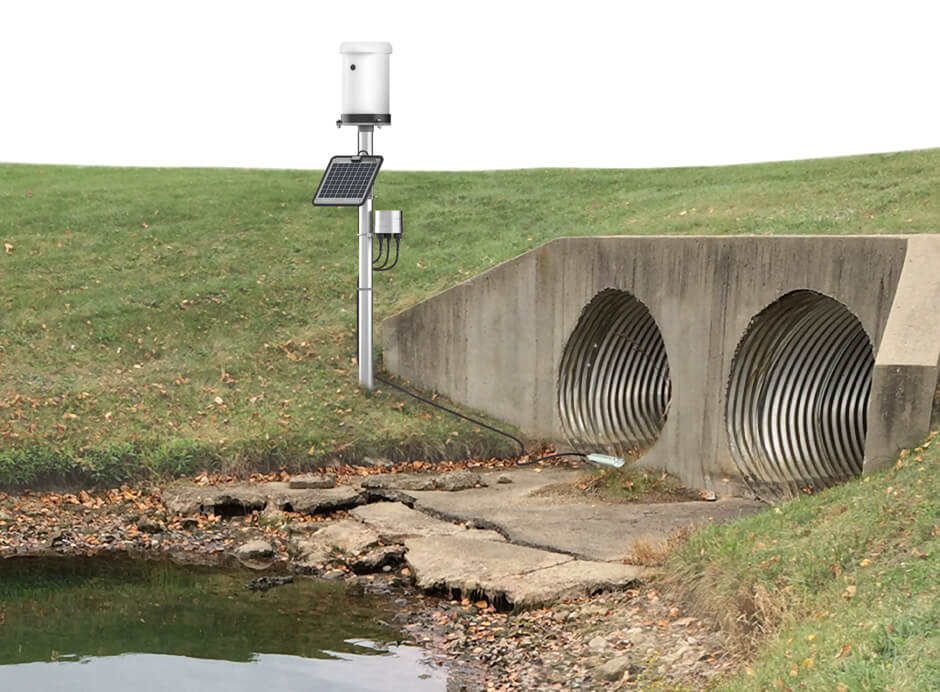
As stormwater runs off surfaces, it can accumulate and transport pollutants to local waterways. NexSens real-time stormwater systems can be deployed to track both quantity and quality of stormwater runoff, alert for changing conditions, and automatically collect water samples to aid in pollution prevention efforts.
Read More →
Protecting drinking water resources is a primary concern for communities and treatment plant managers. NexSens offers customizable and scalable solutions for monitoring raw water intake from rivers, tributaries, lakes, reservoirs and groundwater wells. Systems are installed inside drinking water facilities and other complexes to monitor water quality.
Read More →
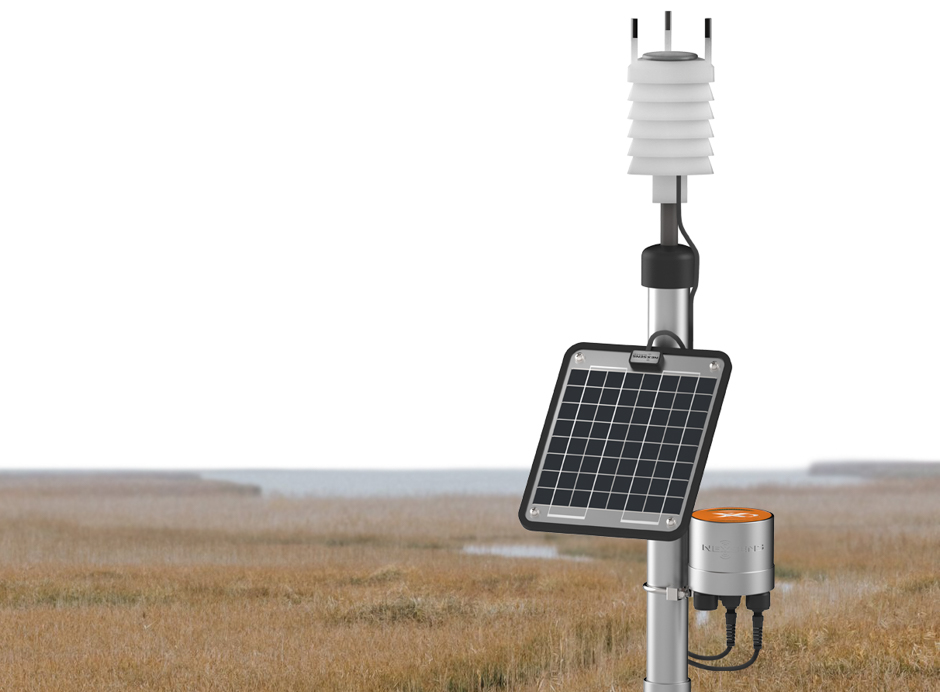
Weather stations alert to current conditions and provide data for predictive models. Specifying and building a research-grade weather station is straightforward with NexSens data loggers and industry-standard sensors. Real-time data telemetry and flexible mounting options facilitate setup and data collection even in remote locations.
Read More →
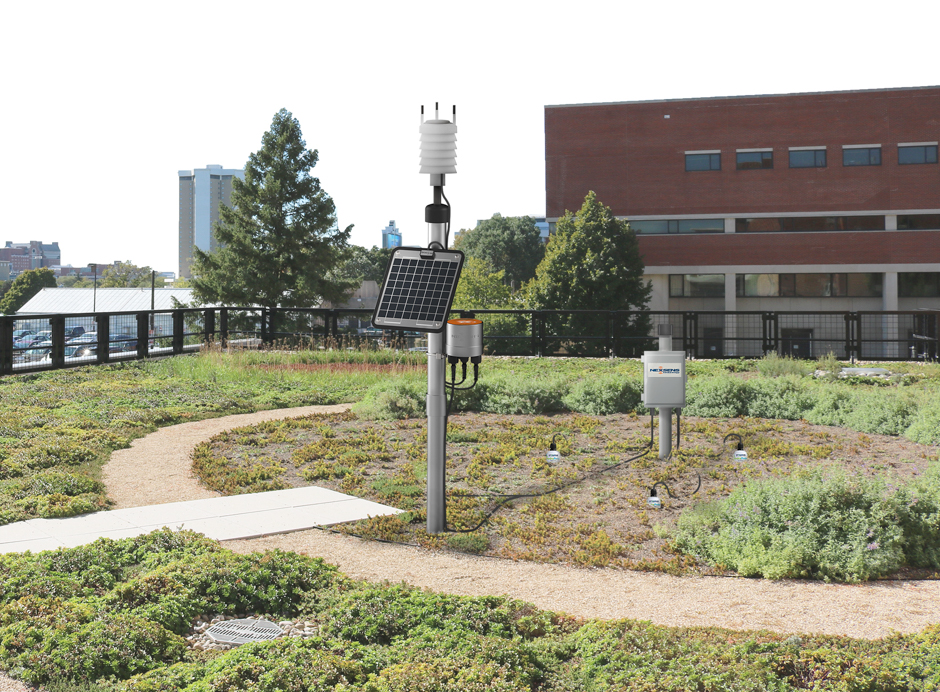
Living roofs are natural, aesthetically pleasing solutions for decreasing stormwater runoff, reducing energy costs, moderating the urban heat island effect and providing additional habitat for animals in the city. NexSens green roof monitoring systems can help track the health of these urban ecosystems.
Read More →