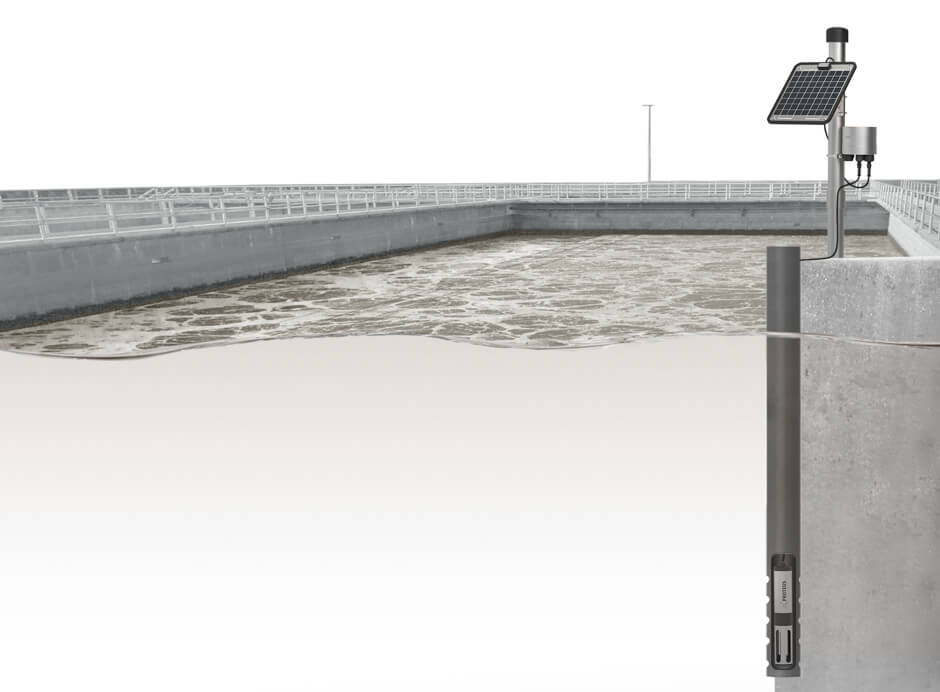
Biochemical oxygen demand (BOD), an important wastewater treatment measurement, is often determined via a lengthy test such as BOD5 before treated waters are discharged to the environment. Recent advances now make it possible to measure BOD, COD and other parameters accurately in near real-time.
Read More →
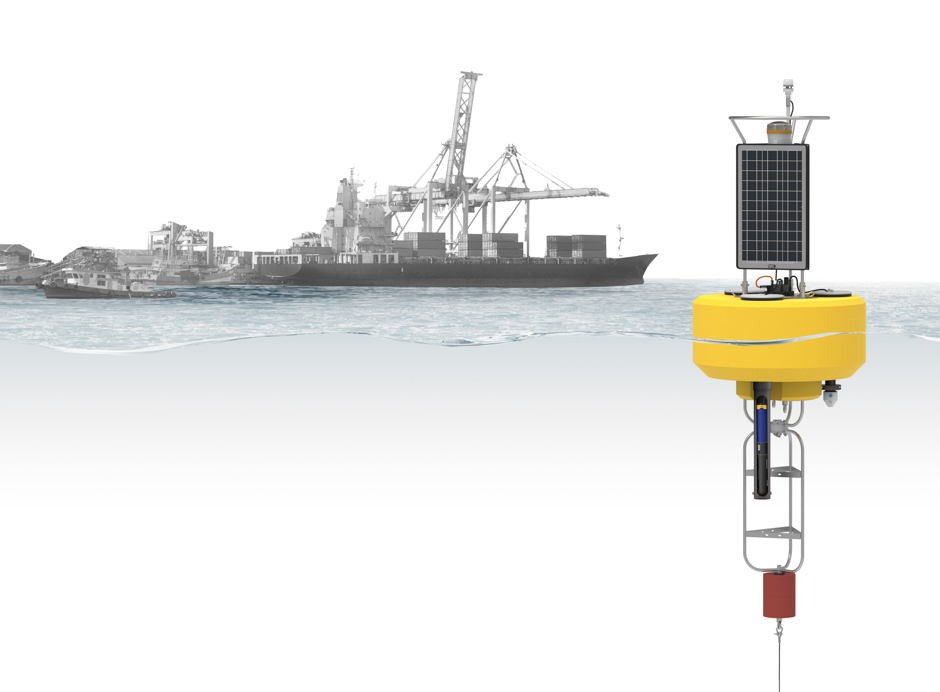
Ports and harbors are essential for transportation of people and goods throughout the world. To help ensure safe operation, port and harbor monitoring systems can measure weather, waves and currents in near real-time, or turbidity and water quality during dredging and other construction activity to ensure environmental protection.
Read More →
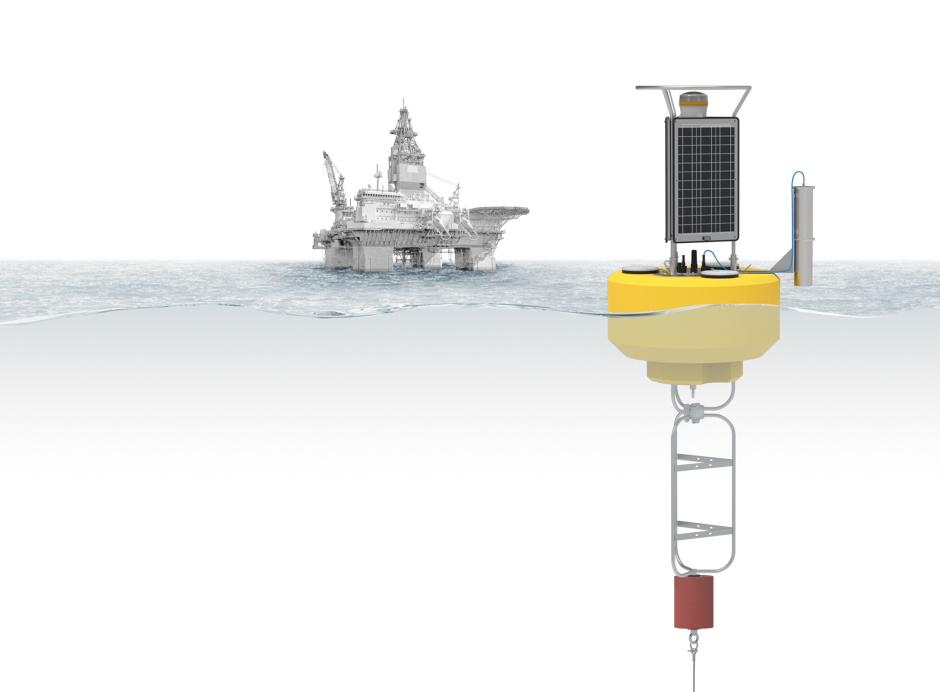
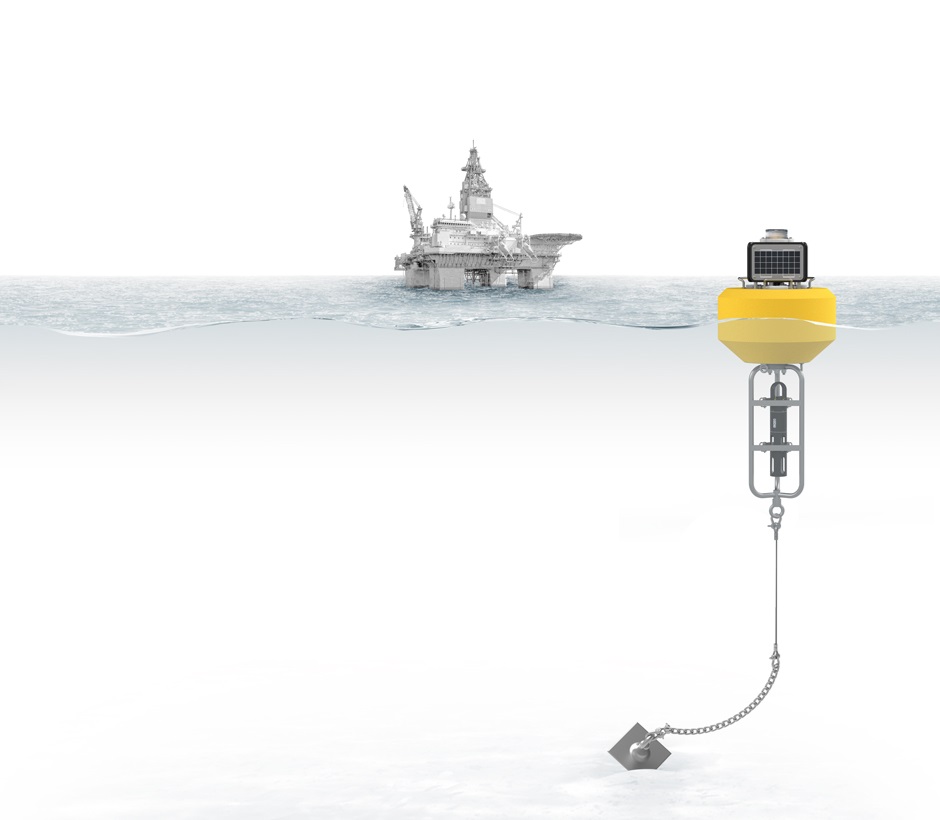
Oil pollution can cause a wide range of acute and long-term effects on aquatic life and ecosystems exposed to spills and other emissions. NexSens oil detection systems monitor continuously for surface slicks and/or dissolved oils and emulsions, providing quick notice when oil is present so that mitigating measures can quickly be put into place.
Read More →
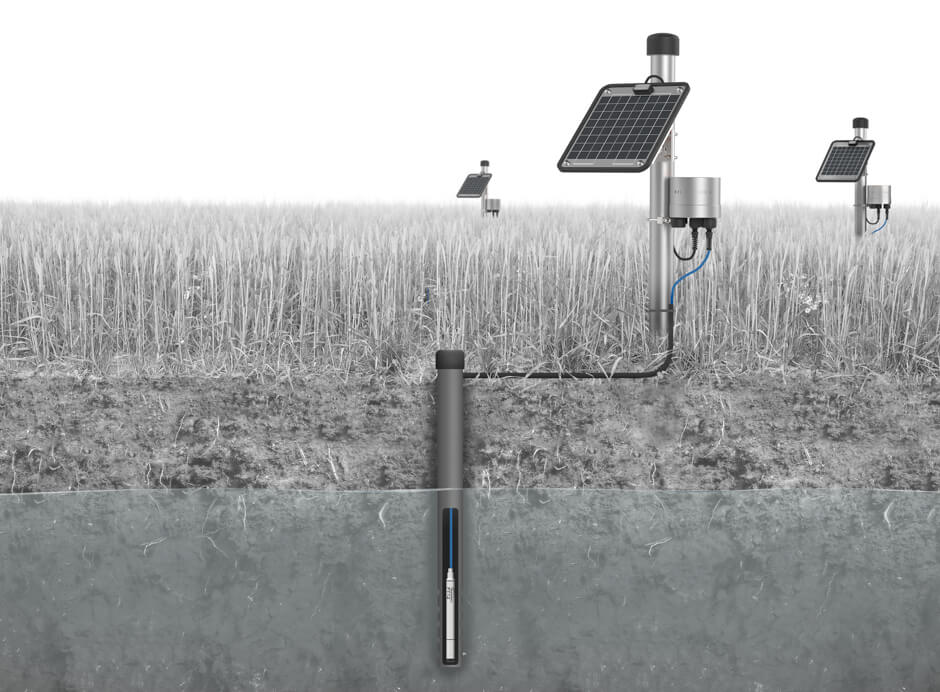
Groundwater drawn from wellfields accounts for a significant portion of drinking water and irrigation supplies throughout the world. NexSens real-time wellfield monitoring systems assist wellfield managers in protecting these valuable resources by tracking water levels and detecting contamination using a flexible suite of sensors and data telemetry options.
Read More →
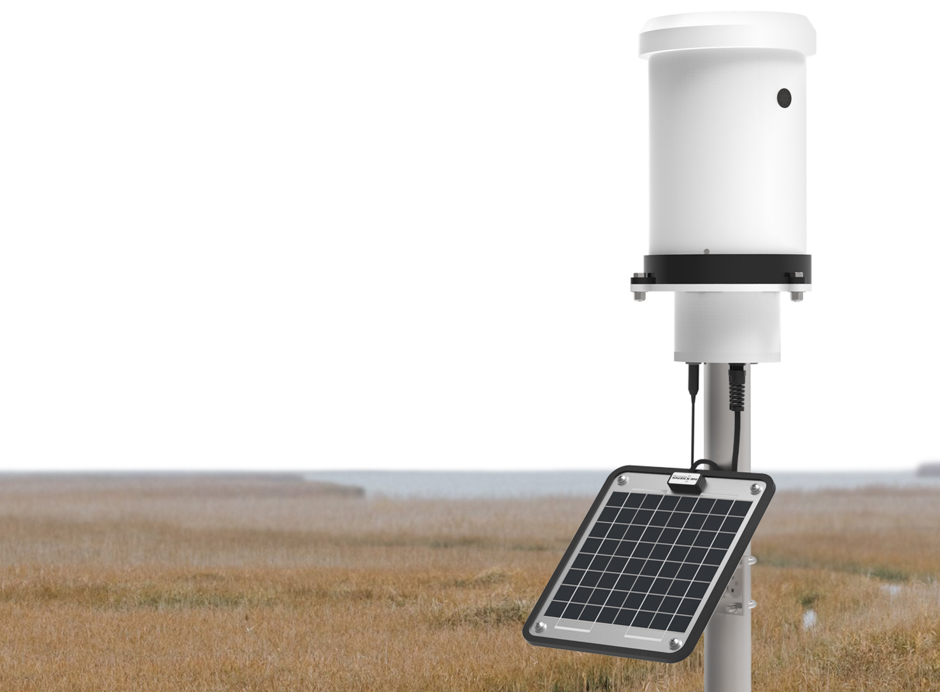
Water-scarce regions, zones subject to seasonal severe storms, flood-prone areas with control structures, construction sites, agricultural zones and stormwater treatment plants are some of the many areas that can benefit from a rain alert system. The NexSens G2-RAIN is a cost-effective system for providing early notice and tracking the overall intensity of rain events.
Read More →
Unlike traditional moored data buoy concepts, drifting buoys facilitate study of oceans by recording measurements as they move freely with currents and weather systems. NexSens drifting buoys or “drifters” collect unique data to enhance our understanding of ocean patterns, track long-term changes, and provide real-time data for forecasting and modelling.
Read More →
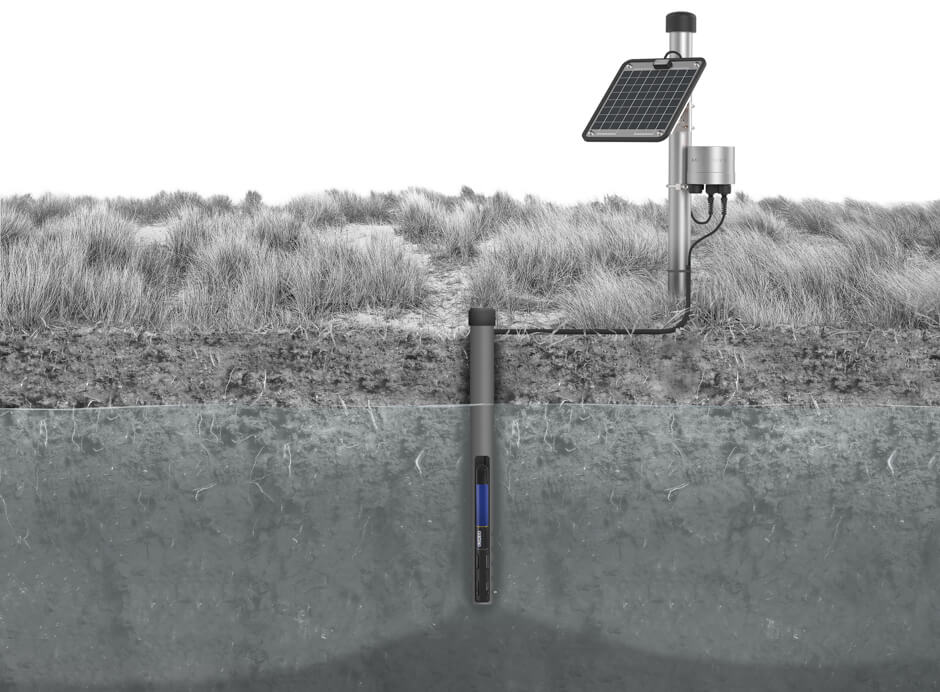
Saltwater intrusion affects coastal areas when saline water infiltrates freshwater resources due to sea level rise, storm surge, canals, pumping of groundwater in coastal aquifers, or other factors. NexSens automated monitoring systems can help to detect the incidence of saltwater intrusion, track long-term trends and provide notice of changing conditions.
Read More →
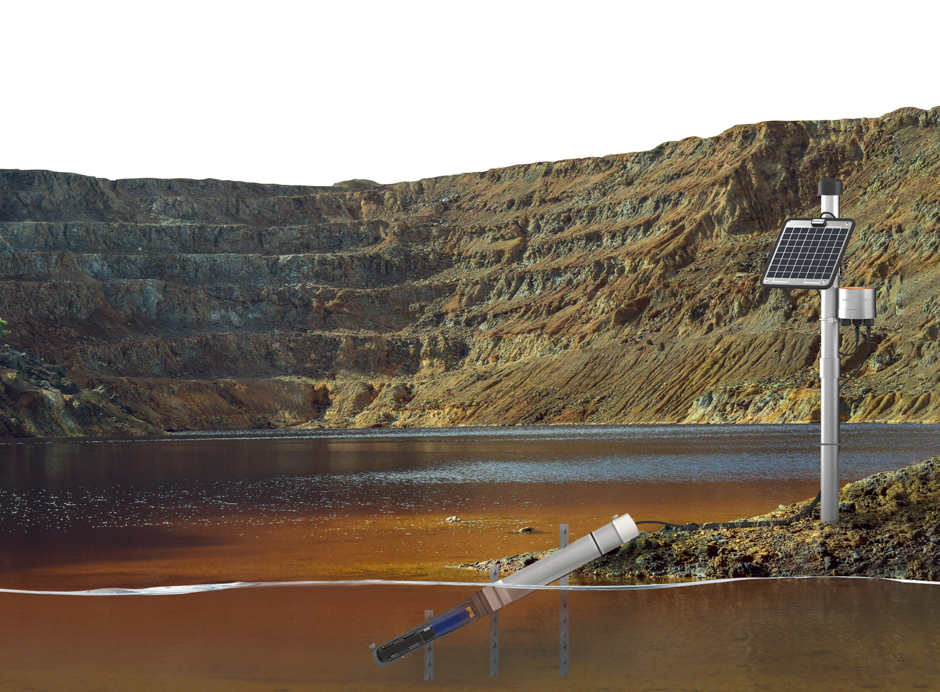
Acid mine drainage (AMD), also known as acid and metalliferous drainage, occurs when acidic water is released into the environment from active or abandoned mine sites. This can lower the pH and introduce toxins like heavy metals in a watershed. Continuous monitoring at and near mine sites helps to detect, track the efficacy of mitigating measures, and even prevent AMD.
Read More →
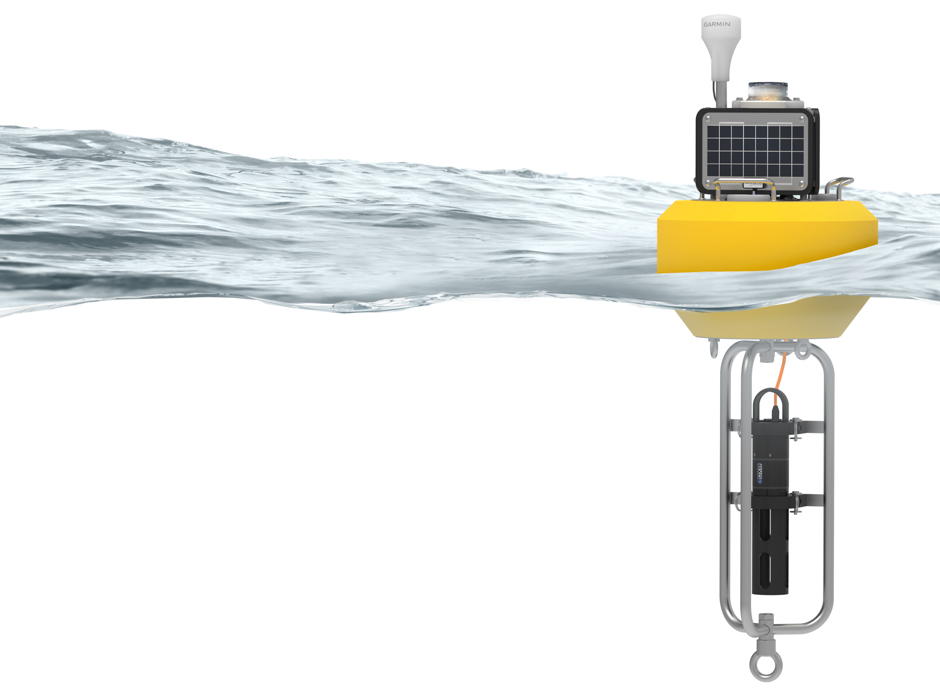
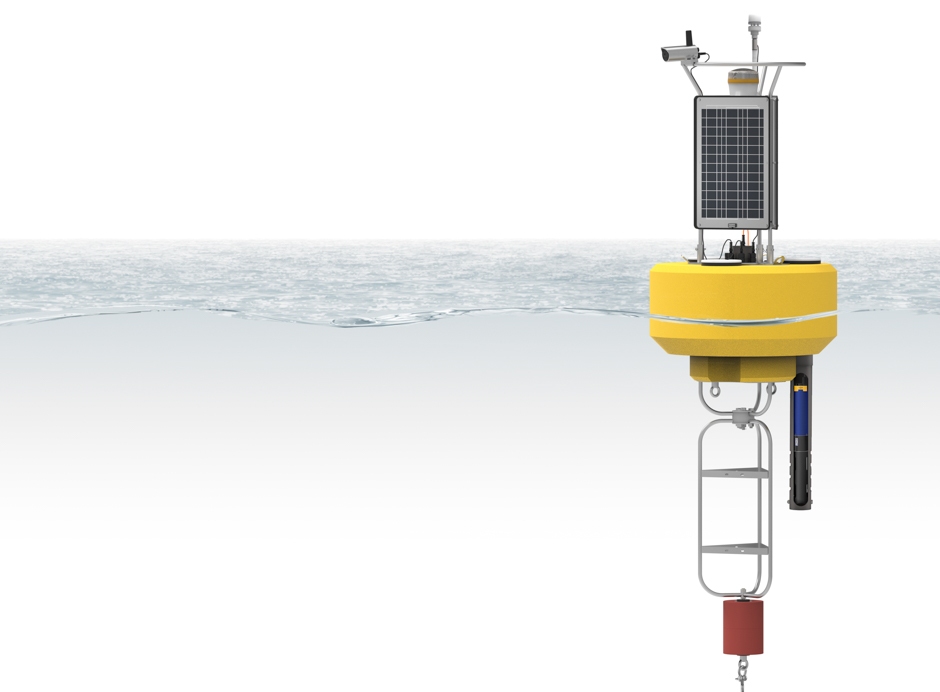
Large lakes and reservoirs are some of the world’s most important freshwater resources, serving crucial roles in drinking water supply, irrigation, transportation, and more. However, they are more threatened than ever by climate change and human activity. Automated monitoring systems deliver valuable information to help protect the health of these vital resources.
Read More →
The need to watch, warn, and take action against emergent problems, whether related to maritime accidents, industrial spills or natural disasters, calls for an efficient and reliable emergency response system. In emergency situations, the ability to stay connected and efficiently track conditions is critical and can even mean the difference between life and death.
Read More →