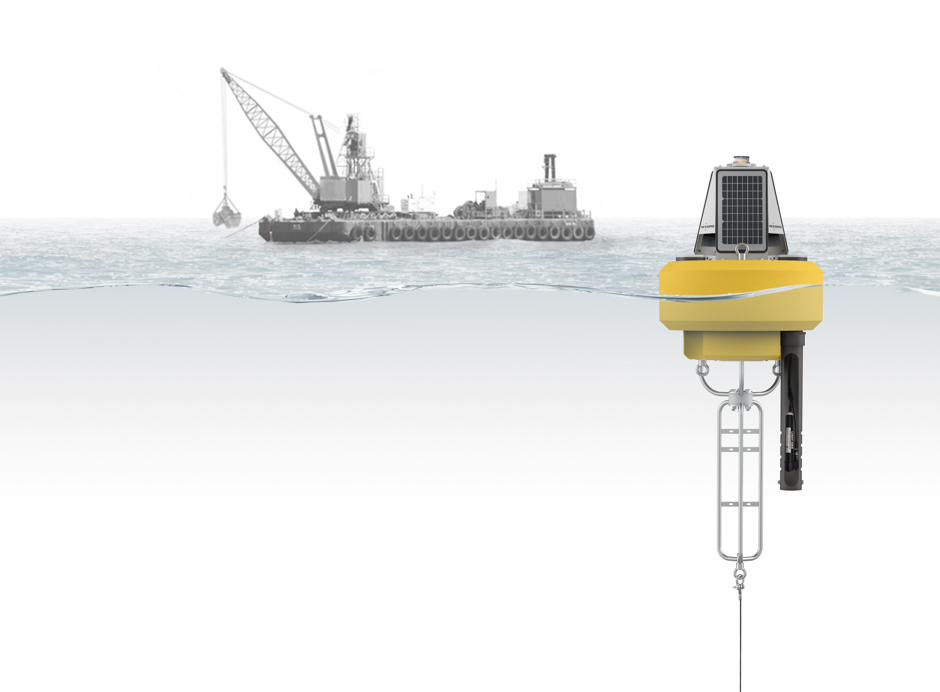
Offshore and coastal monitoring brings challenges that differ from traditional protected water monitoring applications. Wave information is critical to boaters, shipping vessels, construction operators and others affected by near-shore conditions. NexSens wave buoy systems make it simple to collect accurate, real-time wave height, period, and direction data.
Read More →
Multi-parameter monitoring platforms enable comprehensive environmental data collection by integrating multiple sensors into a single system. These platforms measure a variety of parameters in water, soil, and air. A multi-parameter platform might include, for example, a weather station and water quality sensors for an environmental study on the effect of local weather conditions on a […]
Read More →
Hydropower plants are important for energy generation, but their presence dramatically changes the surrounding landscape. There are also many factors which affect plant operation and maintenance. NexSens comprehensive monitoring systems can be implemented at hydropower assets both to reduce environmental impact and optimize operations.
Read More →
Sediments are a natural part of river ecosystems, and many organisms depend on them for spawning, habitat, or capturing prey. However, large sediment loads can adversely affect ecosystem health. Sediment transport studies can be used to establish baseline sediment concentrations and monitor for acute and long-term changes.
Read More →
Turbidity measurement is commonly accepted as a surrogate for sediment monitoring because it is convenient and relatively simple. However, some cases may call for more precise measurement of sediment concentrations. For these situations, real-time monitoring systems for total suspended solids (TSS) or suspended sediment concentration (SSC) are available.
Read More →
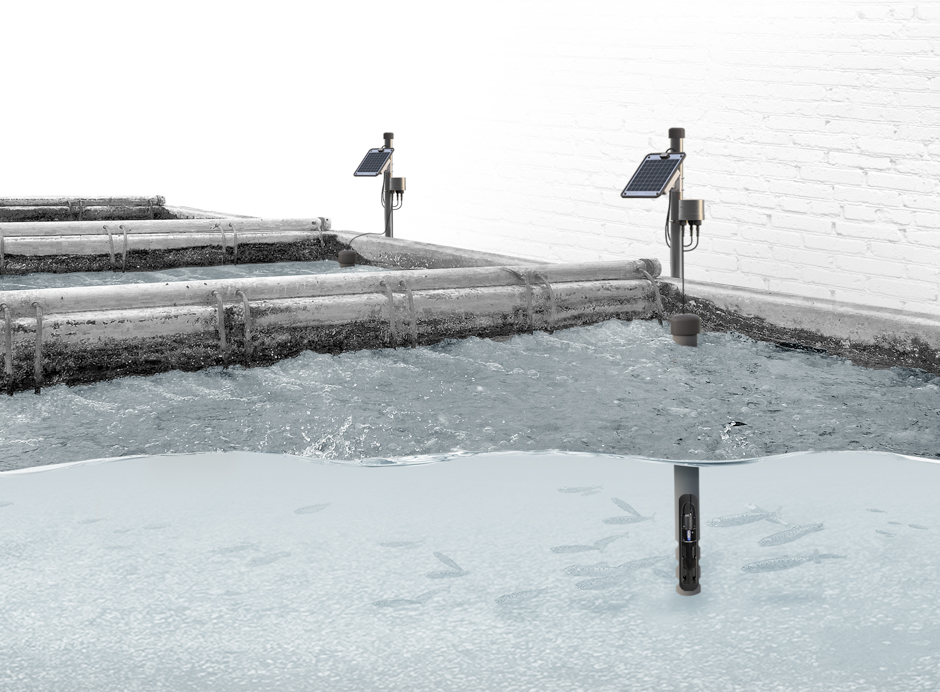
Recirculating aquaculture systems (RAS) are a unique and emerging development in the field of aquaculture where fish are raised on land in tanks. Water use is minimized through filtering, treatment and reuse. Success with RAS is therefore dependent on careful management and monitoring using automated water quality measurement systems.
Read More →
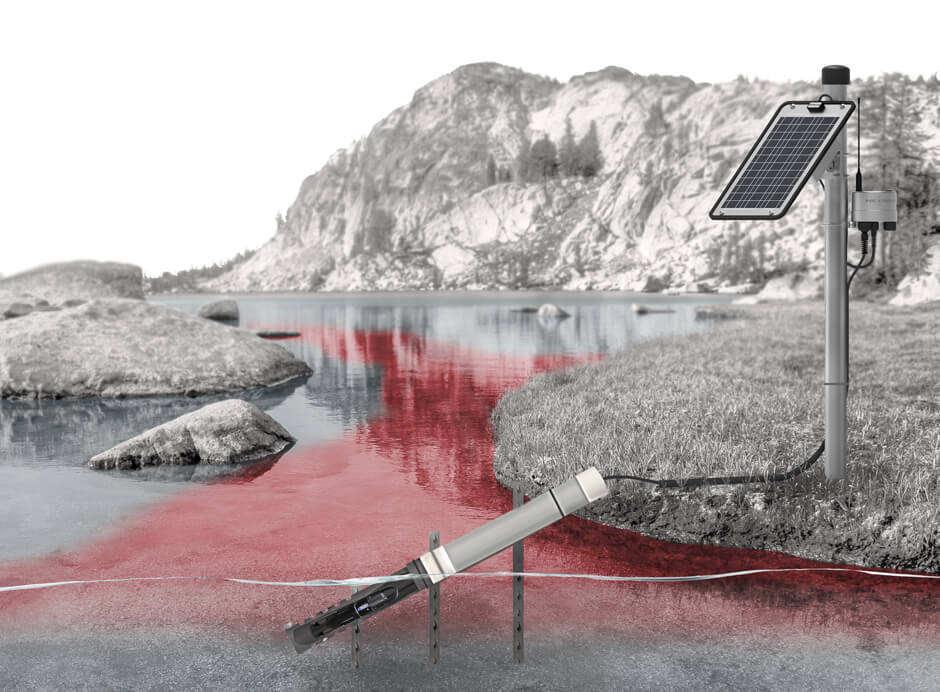
Rhodamine is a red-colored dye detectable by a fluorometer when dissolved in water. It is commonly used for time of travel studies that measure the movement of water. While many studies are short-term and performed with manual sampling, other cases may call for real-time delivery of data over longer periods or from relatively inaccessible locations.
Read More →
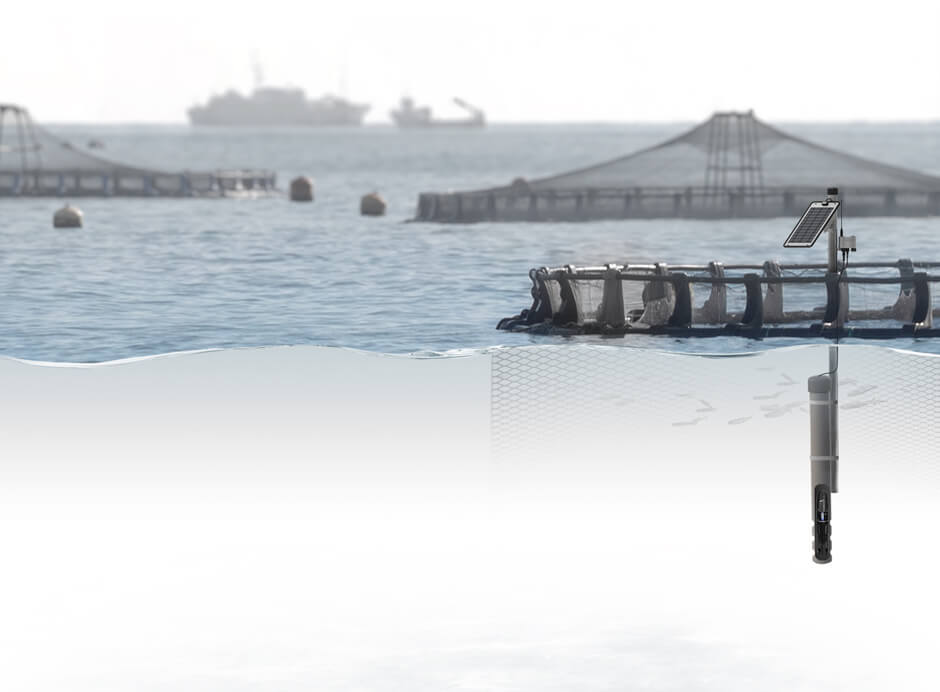
Cage aquaculture developments have opened up new possibilities for cultivation of various fish and other aquatic species. Maximizing production, reducing inputs, and minimizing environmental impact all depend on healthy water quality. Real-time monitoring systems deliver the data needed to optimize cage aquaculture operations.
Read More →
Pond aquaculture is one of the major sources of fish and seafood produced for human consumption worldwide. Pond aquaculture monitoring systems can help to ensure optimal water quality conditions for production, avoid excess resource consumption and environmental pollution, and alert for any rapid changes in conditions.
Read More →
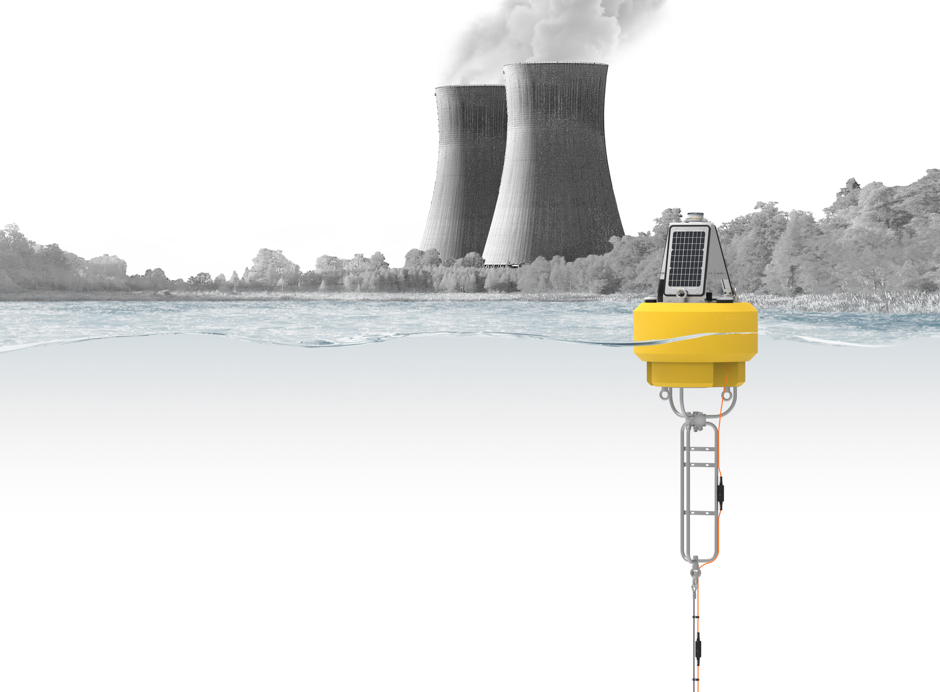
Power plants, paper and steel mills, refineries, and other large industrial facilities often use water for cooling. Heated process waters discharged back into surface waters can potentially cause thermal pollution. Thermal effluent monitoring systems help ensure sufficient cooling before discharge, thereby protecting aquatic fauna and flora.
Read More →