
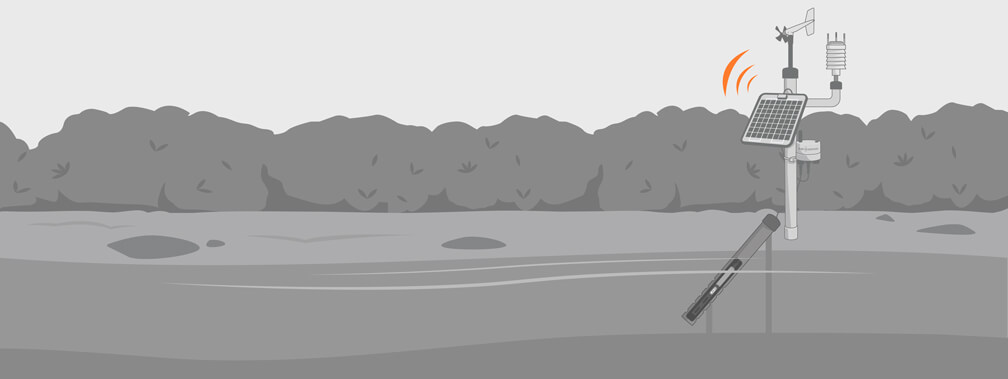
Multi-parameter monitoring platforms enable comprehensive environmental data collection by integrating multiple sensors into a single system. These platforms measure a variety of parameters in water, soil, and air.
A multi-parameter platform might include, for example, a weather station and water quality sensors for an environmental study on the effect of local weather conditions on a wetland. Another application could be a soil moisture sensor and rain gauge in an agricultural setting.
Central to a multi-parameter monitoring system is an environmental data logger with inputs for integration of various sensor types. Many of these platforms function as real-time systems, transmitting data to cloud-based datacenters for immediate access and analysis. Others operate as standalone units, logging data internally for later retrieval and processing.
Why Choose Multi-Parameter Monitoring?
Multi-parameter monitoring platforms are widely used in environmental research, resource management, and regulatory compliance. By consolidating multiple sensors into a single system, these platforms enhance efficiency, reduce costs, and streamline data collection. Automated, real-time monitoring minimizes the need for frequent site visits, allowing researchers and decision-makers to respond swiftly to changing environmental conditions.
Data gathered by multi-parameter systems aids in understanding the causes and effects of complex environmental phenomena across a variety of applications, such as:
- Harmful Algal Bloom (HAB) Detection: HAB events can be correlated to nutrient runoff using sensors for measuring factors such as precipitation, water flow, nitrate, turbidity, and other water quality parameters. By tracking these variables in real-time, researchers can identify bloom conditions early and mitigate their impact on aquatic ecosystems and public health.
- Drinking Water Source Monitoring: Safe drinking water depends on high-quality source water from rivers, lakes, and aquifers. Multi-parameter monitoring platforms provide continuous assessments of temperature, dissolved oxygen, turbidity, algae, and contaminant levels, offering early warnings of water quality degradation that could affect treatment facilities and distribution networks.
- Acid Mine Runoff Monitoring: Mining activities can introduce harmful levels of acidity and heavy metals into nearby water bodies. Multi-parameter systems measure pH, conductivity, oxidation-reduction potential (ORP), and metal concentrations, enabling authorities to detect and address contamination issues before they escalate.
- Cage Aquaculture Monitoring: Maintaining optimal conditions in aquaculture operations requires precise control over water quality. Multi-parameter monitoring systems track dissolved oxygen, temperature, ammonia, and pH to ensure healthy fish populations and sustainable production.
- Flood Warning Systems: Accurate flood forecasting relies on real-time hydrological data. Multi-parameter platforms monitor rainfall, river levels, soil moisture, and flow rates to improve flood prediction models and provide timely alerts to at-risk communities.
- Green Roof Monitoring: Green roofs contribute to urban sustainability by managing stormwater and improving energy efficiency. Multi-parameter sensors measure soil moisture, temperature, and evapotranspiration rates, helping building managers optimize green roof performance for long-term environmental benefits.
These diverse applications represent only a subset of the possibilities for multi-parameter monitoring platforms but demonstrate their versatility and critical importance in safeguarding environmental health.

Multiple configurations of multi-parameter monitoring systems. Applications range from land to sea, with the ability to select key parameters to meet monitoring needs.
Considerations for Multi-Parameter Systems
A typical multi-parameter monitoring system is comprised of sensors, a data logger, and a power source. Real-time systems also include telemetry and cloud integration for continuous data access and analysis. When designing a multi-parameter system, it is important to consider each of these key components and their roles in ensuring reliable data collection and system functionality:
- Sensors: The selection of sensors depends on the environmental parameters being measured. Sensors should be chosen based on accuracy, response time, durability, and compatibility with the data logger. They may measure a single parameter, such as a dissolved oxygen sensor, or be a part of a multi-parameter instrument, such as a typical water quality sonde with sensors like temperature, conductivity, pH, dissolved oxygen, and turbidity.
- Data Loggers: The data logger is the central component of the system and is responsible for collecting, storing, and transmitting sensor data. Important considerations include input compatibility, storage capacity, power efficiency, and environmental protection.
- Power Supply: Power sources vary based on deployment conditions. Battery-powered systems are common in remote locations, often supplemented by solar panels for long-term operation. Power management features such as low-power modes and efficient charge regulation can help to achieve continuous, unattended operation.
- Telemetry & Communications: For real-time monitoring, telemetry options must be selected based on site connectivity and data transmission requirements. Cellular and Iridium satellite networks offer wide-range and even global data access, while spread spectrum radio is suitable for shorter-range transmission. Other networking technologies, such as LoRaWAN, NB-IoT, and ZigBee, may be appropriate depending on data volume and infrastructure availability.
- Data Management & Cloud Integration: A cloud-based datacenter enables remote access to monitoring data, providing visualization tools, trend analysis, and automated alerts. Data security, redundancy, and integration with third-party platforms should be considered to ensure seamless data utilization.
By carefully considering these factors, users can optimize multi-parameter monitoring platforms to provide accurate, real-time environmental data while minimizing maintenance efforts and operational costs. Technological advancements have greatly simplified the setup and operation of such platforms, allowing users to efficiently commission systems and begin collecting data.
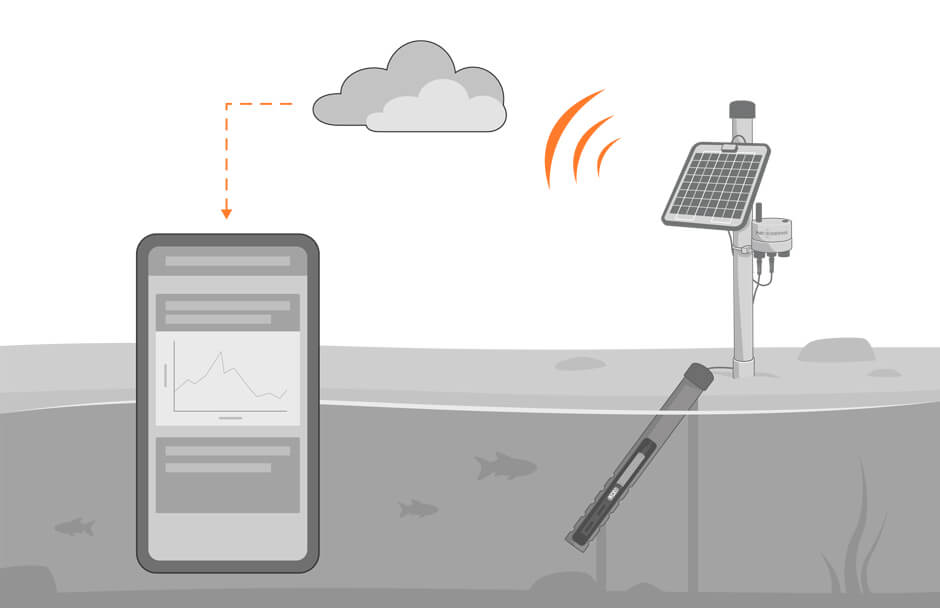
Real-time systems equipped with a telemetric data logger transfer data to the cloud where researchers can access and view data remotely.
Conclusion
Multi-parameter monitoring platforms offer a scalable, flexible solution for gathering comprehensive environmental data across a wide range of applications. With thoughtful system design and the right combination of components, users can achieve efficient, reliable, and real-time insights to support both short-term studies and long-term monitoring goals.
Additional Resources

